
Review · LAZIO
Rome: Capuchin Crypts & Ghostly Legends Small-Group Tour
Rome keeps its darkest stories close to its most beautiful sights. This two-hour walk begins with the Capuchin Crypts, where the bones of more than 3,700 monks form chapels, patterns, and chandeliers. Then it moves through central Rome, connecting ghosts, executions, murder, scandal, and old grudges to places you might otherwise see only as pretty photo stops.
I like the small size, capped at 10 people, and the unusual mix of serious history with macabre tales. Guides such as Alethea, Marilena, Ben, Leo, and Ivana have earned strong praise for clear storytelling, humor, and useful Rome tips. The main drawback is that the crypt portion relies on the venue’s required audio guide, so the live guide may not narrate every moment inside.
Key points at a glance
- 3,700 monks’ bones: See bone chapels decorated with vertebrae, femurs, pelvises, and other remains.
- A 10-person limit: Smaller groups make it easier to hear the guide and ask questions.
- Five central Rome stops: Walk from Via Rasella to the Trevi Fountain, Pantheon, and Piazza Navona.
- A darker side of Rome: Hear stories involving ghosts, executions, murder, papal taxes, and unusual corpses.
- Two different tour styles: The crypt uses an audio guide, while the city walk is led live in English.
- Good evening choice: The route can feel especially atmospheric after sunset, though it runs in rain or shine.
Entering the Capuchin Crypts on Via Veneto
The meeting point is outside the Capuchin Crypt entrance at Via Vittorio Veneto 19, at the bottom of the stairs and in front of an antique coin shop. Arrive 10 minutes early. The guide carries a sign reading Capuchin Crypts & Dark Centre Tour, but do not count on a late arrival being held for you. Entry times are strict.
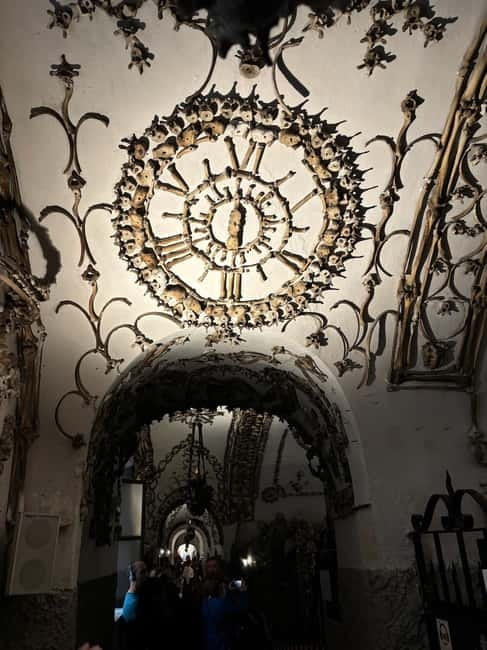
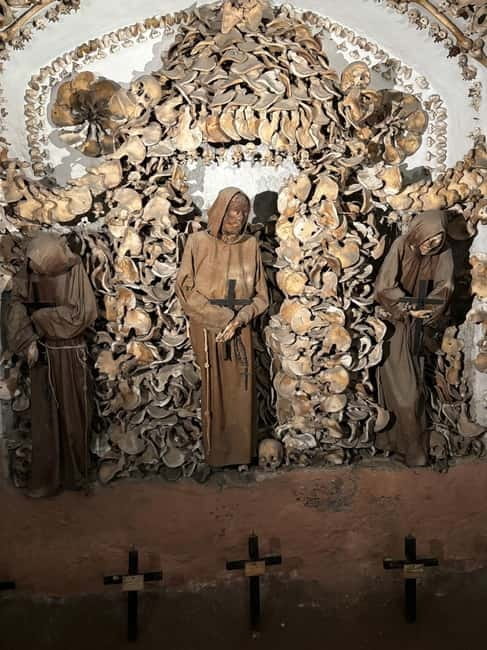
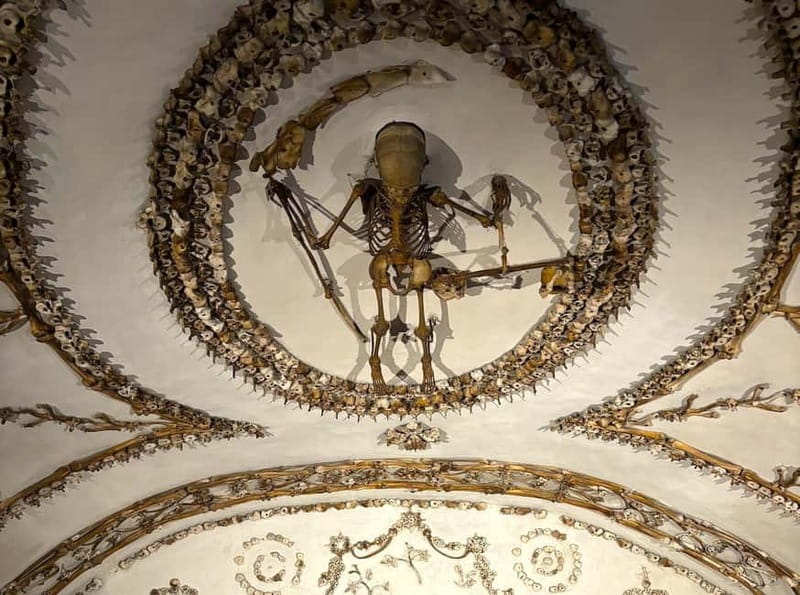
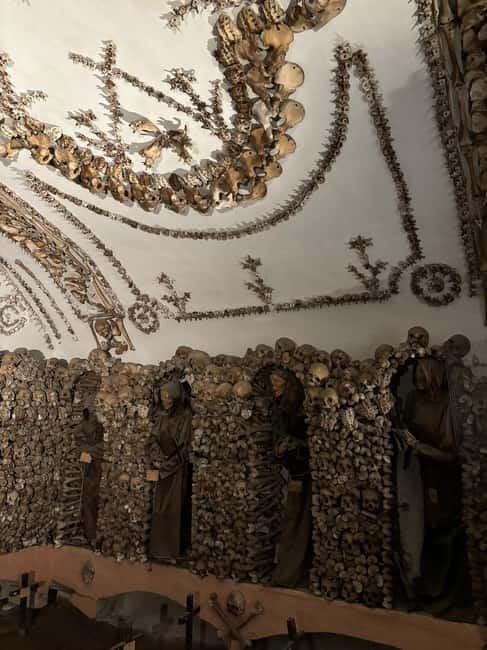
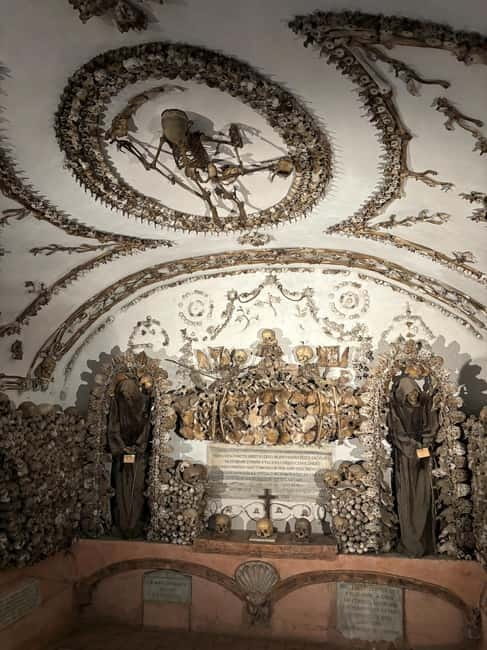
The crypt is not a casual underground curiosity. It contains five chapels decorated with the bones of Capuchin monks, arranged into patterns that can look almost architectural. Vertebrae become part of chandeliers. Femurs and pelvises form wall designs. Bones are placed into floral shapes and other carefully ordered decorations.
That detail matters. The crypt is unsettling, but it is not presented simply as a horror attraction. The arrangement reflects memento mori, the reminder that every person dies. Before you enter, the guide explains the Capuchin connection, the purpose behind the decoration, and how to read the symbols.
I find that preparation makes the visit more meaningful. Without it, you may see an extraordinary room filled with human bones and move on. With some context, the crypt becomes a statement about faith, humility, mortality, and the place of the body after death.
The setting is also deliberately direct. There is no softening of the subject, and the tour description is right to warn you that the crypt has no subtlety. If you are uncomfortable around human remains, this may be too much. If you are interested in funerary customs or religious art, it is likely to be one of the more memorable stops in Rome.
More Ghost Story Tours in Italy
- Rome: Small Group Rome’s Dark Side – Ghosts & Legends Tour
★ 4.9 · 343 reviews - Ghosts, Legends & Mysteries of Rome Tip-Based Walking Tour
★ 4.7 · 284 reviews - Ghosts Legends and Mysteries of Rome Walking Tour
★ 5.0 · 149 reviews
How the audio guide changes the crypt visit
The Capuchin Crypt requires its own audio guide. That means the live guide does not simply lead a continuous spoken tour through every chamber. Instead, you listen to the venue’s recording while your tour guide remains available for questions and adds context before or around the visit.
This is the one part of the experience that deserves clear expectations. Some people prefer a live explanation that responds to the room as they move through it. Others like having time to look quietly, listen at their own pace, and then ask a guide about details the recording does not cover.
The guided introduction is especially useful for questions that occur only once you are inside. You might wonder why certain bones were used in a pattern, how the monks’ remains came to the crypt, or what a particular arrangement is meant to suggest. Those are the moments when a small group helps.
The crypt visit is listed as about 30 minutes, while the full experience lasts two hours. The longer description allows roughly 45 to 60 minutes for the crypt and another hour for the walk, so the exact balance may vary with the start time and pace. Either way, you are not simply ushered in and out before the main idea has had time to settle.
Dress rules are firm. Your shoulders and knees must be covered, so do not wear shorts, a short skirt, or a sleeveless shirt. If needed, coverings can be bought on site for €1. Comfortable shoes, weather-appropriate clothing, and a reusable water bottle are sensible choices.
Via Rasella and the weight of Rome’s past
After the crypt, the group heads to Via Rasella for a short guided stop. This is where the tour shifts from a single macabre site to the broader question of how Rome remembers violence and death in ordinary streets.
The stop is scheduled for about 15 minutes, so expect a focused explanation rather than a long historical lecture. That is part of the route’s appeal. You are not parked at one landmark for an hour. Instead, the guide uses each location as a doorway into a story, then keeps you moving through the center.
I like this format because Rome’s past is rarely confined to museums. A street can carry political memory, personal tragedy, or a story that has been covered by centuries of daily life. The guide’s job is to make you notice what is beneath the polished surface without pretending that every legend is a proven fact.
The best guides handle that balance with care. The praised guides on this tour, including Marilena, Ben, Alethea, and Leo, are noted for mixing historical facts with legends and lesser-known details. That blend suits the subject, as long as you listen for the difference between documented events and ghostly tradition.
The Trevi Fountain after the postcard view
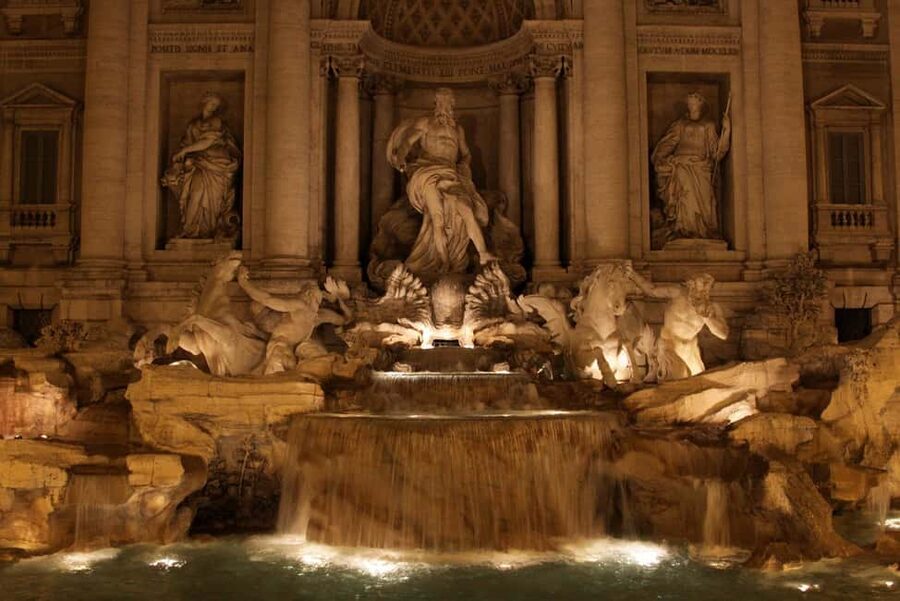
The Trevi Fountain is one of Rome’s most photographed places, but this tour approaches it from a different angle. Instead of stopping only for the usual fountain story and a coin toss, you hear about a persistent ghost associated with the site and the strange timing connected to its appearances.
The stop lasts about 15 minutes. That gives you enough time to take in the monument and hear the tale, but not enough for a full art-history treatment of the fountain. If you want detailed information about every sculptural figure and its design, you will need another visit or a separate art-focused tour.
That limited scope is not a weakness for the right audience. The point here is atmosphere and contrast. You see a familiar landmark, then hear a story that changes the mood. The fountain becomes more than a bright, crowded photo stop.
The route may feel especially effective after sunset, when the city’s monuments take on a more theatrical mood. Still, the tour runs rain or shine, and outdoor storytelling depends on the weather. Bring suitable clothing rather than assuming Rome will provide a warm, dry evening.
More Ghost Story Tours in Rome
- Rome’s Dark Side Ghosts and Legends Tour
★ 5.0 · 93 reviews - Ghost & Legends in Night Rome Walking Tour
★ 5.0 · 36 reviews - Rome After Dark Mysteries Myths and Haunted History
★ 5.0 · 14 reviews
The Pantheon and the stories guidebooks soften
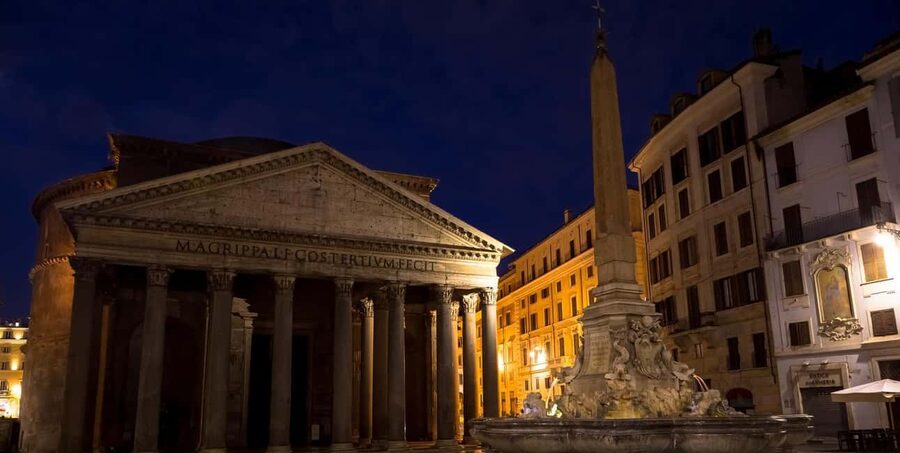
The Pantheon stop lasts around 15 minutes and focuses on the darker material linked to the area. A piazza opposite the Pantheon conceals a culinary scandal, and the guide also tells the story of a noblewoman whose hands attracted dangerous attention.
These are not the stories you hear on a standard first-pass sightseeing route. They deal with reputation, violence, power, and the ways people in earlier centuries dealt with inconvenient problems. Some episodes are grim. Others are strange enough to sound invented, which is why a good guide’s framing matters.
You should not expect to enter the Pantheon as part of this experience. The stop is part of an outdoor walking route, and the included visit is to the Capuchin Crypts. That distinction is useful when comparing this tour with a major-monuments tour that includes interior access.
The value here is interpretive rather than exhaustive. You get a new way to look at an iconic building and its surroundings. Later, when you return to the Pantheon on your own, you may notice that the square feels less like a single postcard scene and more like a place layered with old human drama.
Piazza Navona brings the walk to a close
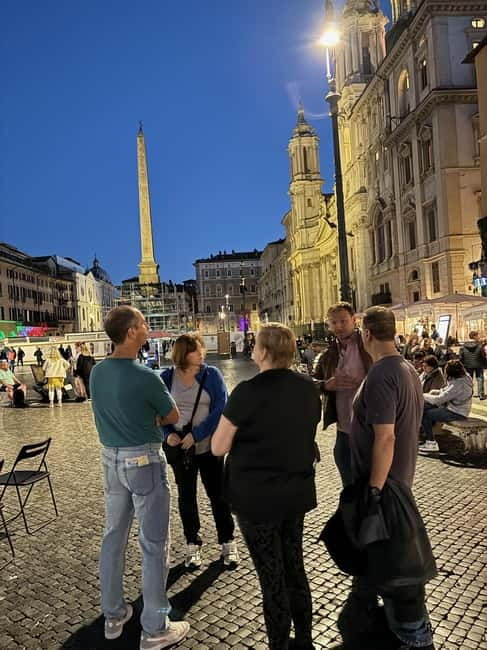
The final stop is Piazza Navona, with about 20 minutes of guided storytelling. The square is famous for its fountains, grand buildings, artists, and lively public life, but the tour looks beneath that polished image.
Here you hear about an innkeeper who made the poor choice of complaining about papal tax policy to strangers. The result was a sharp lesson in how dangerous public criticism could be. Stories like this give the walk its slightly wicked humor without turning Rome’s past into a theme-park performance.
Piazza Navona is also a practical ending point. You are left in one of central Rome’s best-known squares, with restaurants, cafés, and further sights close by. Since food and drinks are not included, you can decide for yourself how to finish the evening.
The route does not return to Via Veneto, so plan accordingly. No transport is included, but this is a walking tour through central Rome rather than a trip that requires a vehicle. Wear shoes you can manage for two hours on city streets.
Why the 10-person group matters
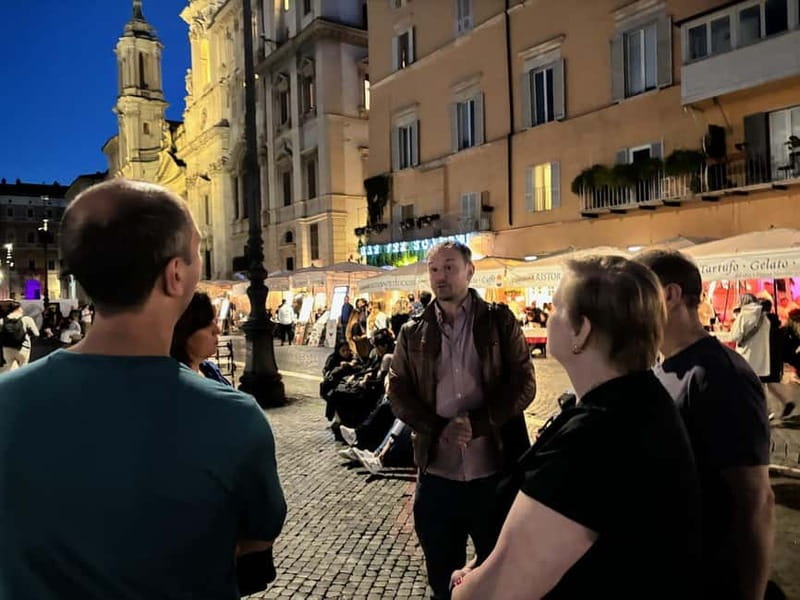
A maximum of 10 participants is one of the strongest practical features. Dark-history tours depend on timing, tone, and the ability to hear small details. A large crowd can flatten that experience, especially at busy sites such as the Trevi Fountain.
With a smaller group, you have a better chance to ask why a story is considered legend, how a particular event fits into Roman history, or what the guide recommends seeing later. The guide can also keep the group together without the feel of a large procession.
The quality of the evening still depends on the individual guide. The strongest feedback centers on guides who are funny, warm, clear, and passionate about the subject. Alethea is repeatedly praised for combining facts, legends, and humor. Marilena is noted for making the history feel personal and connected to Rome. Ben, Leo, Ivana, and Maria also receive praise for warmth, storytelling, and useful suggestions.
The rotating guide lineup means you cannot choose one specific person unless the booking system allows it. Still, the consistent praise for several guides is a good sign. You should expect an English-language tour with a conversational approach, not a formal academic lecture.
Is $35 a fair price?
At $35 per person, the value depends on how you would otherwise visit the crypt. The ticket gives you access to the Capuchin Crypts, a live English-speaking guide for the city walk, and a route through four central areas after the crypt.
A basic crypt visit would not give you the same amount of context about Rome’s darker stories. On the other hand, a visitor who wants detailed art history, interior access at every landmark, or a long explanation at each stop may find the experience too narrow.
I consider the price fair for the combination of entry and a small-group walking tour, especially if you are drawn to unusual history. The two-hour length also works well on a busy Rome itinerary. It is long enough to feel substantial, but short enough to fit around dinner or another evening plan.
The one caution is the audio-guide arrangement inside the crypt. If you are paying mainly for live guiding at the bone chapels, check your expectations. You are paying for the full experience, including the guide’s introduction, the crypt visit, and the dark-history walk afterward.
Who should book this Rome tour?
I would choose this tour if you have already seen Rome’s headline sights, or if you want a first evening that gives you a different angle on the city. It suits adults and older teenagers who can handle human remains and stories about murder, executions, ghosts, and death.
It also works well for families with curious older children. One family found the experience a hit with two teenagers, while younger children may find the crypt and some stories too disturbing. Use your judgment rather than treating the family-friendly label as automatic.
This is not the right choice for you if you use a wheelchair, since the experience is not suitable for wheelchair users. It may also disappoint you if you dislike legends, prefer strictly academic history, or want a tour devoted to Rome’s art and architecture.
Book it if you want the Capuchin Crypts to mean more than a quick shock, and if you like your sightseeing with a touch of the strange. Skip it if bones and dark tales are not your idea of a good evening. At $35, the strongest value comes from the combination of a remarkable crypt, a genuinely small group, and a guide who can turn familiar Rome into a place full of uncomfortable questions.
FAQ
How long does the Capuchin Crypts and dark-history tour last?
The tour lasts two hours. The crypt visit is listed at about 30 minutes in the itinerary, while the wider description allows roughly 45 to 60 minutes in the crypt and about an hour for the walking portion.
Where does the tour meet?
Meet outside the Capuchin Crypt entrance at the bottom of the stairs, directly in front of the antique coin shop at Via Vittorio Veneto 19. Arrive 10 minutes early.
Which sights are included on the walking route?
The route includes Via Rasella, the Trevi Fountain, the Pantheon area, and Piazza Navona. The tour begins at Via Vittorio Veneto 19 and ends at Piazza Navona.
Is the tour guided inside the Capuchin Crypts?
The crypt requires the venue’s audio guide. Your live guide explains the setting before entry and remains available for questions, while the walking portion through central Rome is led live in English.
What should I wear?
Your shoulders and knees must be covered inside the crypt. Shorts, short skirts, and sleeveless shirts are not allowed. Coverings can be purchased on site for €1 if needed.
Is the tour accessible to wheelchair users?
No. The experience is not suitable for wheelchair users. It runs rain or shine, so bring weather-appropriate clothing and comfortable shoes.
More Cemetery Tours in Rome
- Rome: Ghosts & Bone Crypts Tours: 2 Tours, 1 Discount Ticket
★ 4.9 · 37 reviews - Rome’s Dark Side: Ghosts, Scandals and Crypts – Small Group Tour
★ 5.0 · 28 reviews - COMBO: Rome’s Capuchin Crypts Tour & Rome’s Dark Side Ghost Tour
★ 5.0 · 21 reviews - Rome’s Dark Side: Ghosts, Scandals and Crypts – small group
★ 5.0 · 2 reviews
Just added in Rome
- Rome Secrets with Dark History and Tasty Bites Tour Experience★ 4.5 · 3 reviews
- Ghost & Legends in Night Rome Walking Tour★ 5.0 · 36 reviews
- Experience Rome in this Mysterious Ghost Tour★ 3.5 · 3 reviews
- Rome: Private Night Ghost Walking Tour★ 5.0 · 38 reviews
- Haunted Rome & True Crime: The Cenci Curse Game★ 4.5 · 27 reviews
- Ghosts and Crimes of Rome Night Walk★ 5.0 · 61 reviews
- Rome’s Dark Side: Ghosts, Scandals and Crypts – Small Group Tour★ 5.0 · 28 reviews
- Haunted Rome: Eternal City Night Walking Tour★ 5.0 · 38 reviews
Cemetery & Graveyard Tours, compared.
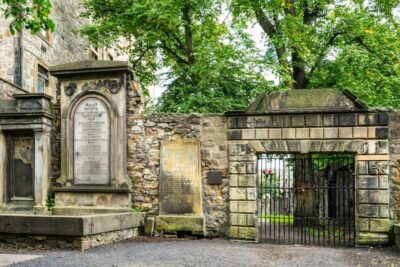
Haunted Underground Vaults and Graveyard Tour
Read our review →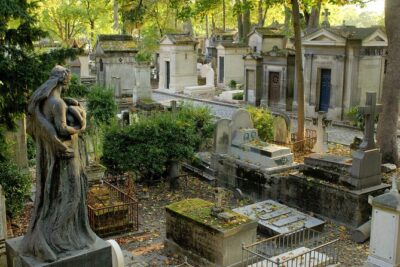
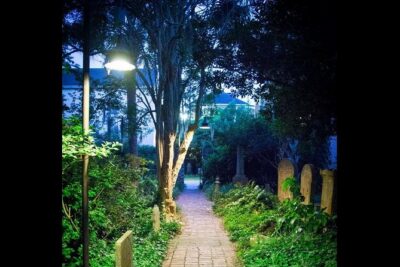
Ghosts of Charleston Night-Time Walking Tour with Unitarian Church Graveyard
Read our review →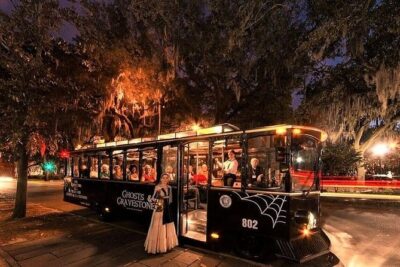
Cemetery and Ghost BYOB Bus Tour in New Orleans
Read our review →
New Orleans Dead of Night Ghosts and Cemetery Bus Tour
Read our review →
Haunted Vaults and Graveyard Walking Tour in Edinburgh
Read our review →Browse the lists this tour appears in