
Review · CASTILE-LA MANCHA
Tour of the Inquisition and Witchcraft in Toledo
Toledo’s Inquisition story is less about spooky legends than the machinery of fear: public trials, forced confessions, prison sentences, property seizure, and executions. This 90-minute walk begins at Zocodover Square, where autos-da-fé once brought condemned people before the public, then threads through streets tied to the tribunal and the old Jewish Quarter.
I like the route for two reasons. First, it explains the Inquisition as an organized system, not just a collection of grim tales. Second, the guide connects witchcraft stories with the period’s wider climate of suspicion while keeping the focus on history. The main caution is practical: the tour requires at least six people, and some departures have been cancelled close to start time when that number was not reached.
Key points to know before you book
- Zocodover sets the scene: The walk begins where many Toledo autos-da-fé were held, making the opening location closely tied to the subject.
- The focus is historical: Expect discussion of institutions, punishments, prisoners, and religious control more than a theatrical ghost walk.
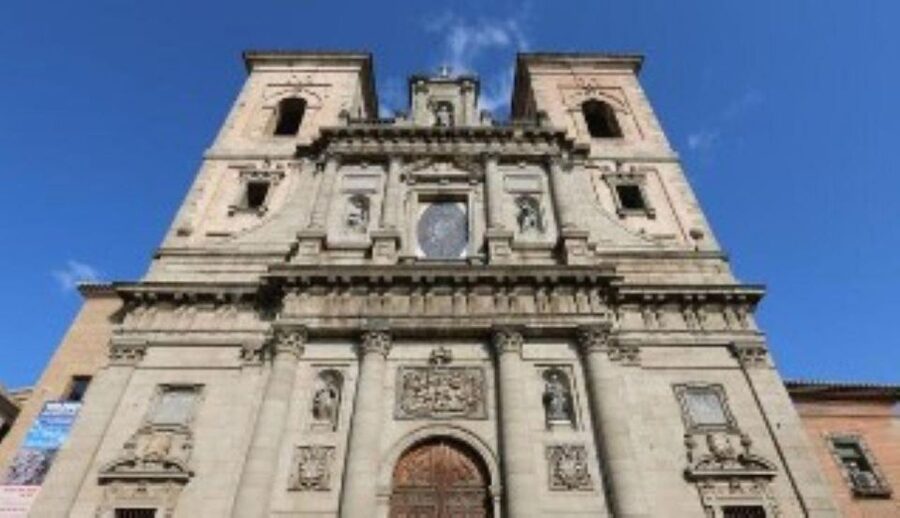
- The route covers central Toledo: Stops include Posada de la Hermandad, the Cathedral area, the Jewish Quarter, San Pedro Mártir, the Jesuit church, and Plaza de San Vicente.
- Spanish is the only stated language: The live tour is led in Spanish, so you should be comfortable following a full historical explanation in that language.
- The group rules matter: A minimum of six people is needed, while large bookings are not accepted and a family or friend group may not exceed six.
- The price is low: At $10 per person, the walk offers good value if it operates as planned, but the minimum attendance rule adds some uncertainty.
Starting at Zocodover, Toledo’s public stage
Meet at Calle Armas 3, opposite the Rodilla café at the beginning of Plaza de Zocodover. Look for a guide carrying a small colored flag, described elsewhere as a pink flag. Give yourself a few minutes to identify the meeting point, since Zocodover is a busy central square and the meeting address is on its edge rather than in the middle of the plaza.
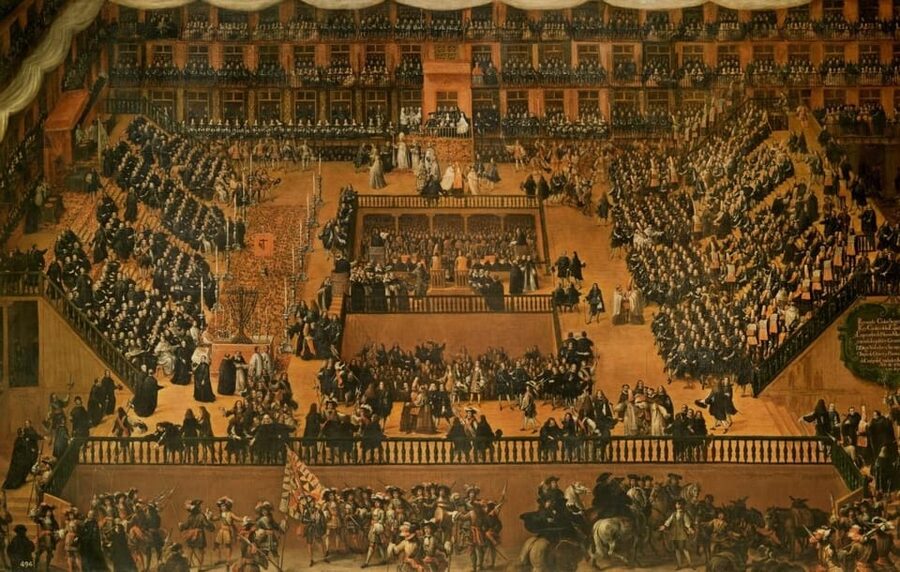
The opening stop is more than a convenient place to gather. Zocodover hosted many autos-da-fé, public ceremonies where people condemned by the Inquisition confessed their supposed sins and displayed repentance in an effort to return to the Catholic Church. The ritual had a public purpose: it warned the wider population what could happen when religious authority decided that someone had crossed the line.
I find this a strong beginning because it gives the tour a clear question: how did Toledo’s religious court move from suspicion to punishment? You are not simply hearing a list of legends. You are starting in a place where public judgment became part of civic life.
The subject is difficult. The tour deals with persecution, torture, executions, forced confessions, and discrimination. That direct approach suits visitors who want serious historical context, but it may not suit anyone expecting a light evening stroll built around ghosts and theatrical scares.
More Witch Tours in Spain
- Inquisition, The Executioner, Witches, Expulsion Jews and Muslims
★ 5.0 · 85 reviews - Seville: City of Queens, Nuns, Sex Work & Witches
★ 4.3 · 27 reviews - Gran Canaria: Green Witchcraft in the Magic Island
★ 4.9 · 26 reviews
Posada de la Hermandad and the machinery of punishment
From Zocodover, the route continues toward the Posada de la Hermandad. Here, the guide discusses prisons, punishments, and the torture methods used by the Holy Inquisition.
This is one of the most useful parts of the walk because it moves the story away from general statements about intolerance. You learn about the process imposed on accused people and the range of possible penalties. These could include public penance, confiscation of property, imprisonment, and, in extreme cases, execution at the stake.
The subject of torture needs careful handling. The purpose was often to obtain a confession, and a confession could then support a conviction. That detail helps you understand why an accusation alone could be so dangerous. The system did not operate only through dramatic public executions. It also worked through fear of interrogation, loss of property, damage to family life, and public shame.
The Posada de la Hermandad is also a useful point for thinking about the difference between a modern court and an ecclesiastical tribunal. The Inquisition was established under the Catholic Monarchs, Ferdinand and Isabella, to pursue heresy and practices considered contrary to Catholic teaching. In Toledo, the tribunal had a strong influence over daily life.
The walk does not require extra ticket purchases or payments at the stops. That keeps the experience simple, although you should not expect long interior visits at the Cathedral or other buildings. The supplied information describes guided stops and explanations, not a paid-entry museum tour.
The Cathedral area and the old Jewish Quarter
The route passes by Toledo Cathedral and continues through the ancient Jewish Quarter. These locations widen the subject beyond the tribunal itself.
The Cathedral represents Toledo’s role as a major religious center. It helps explain why religious authority carried such weight in the city and why questions of belief, conversion, and religious practice could have serious consequences. The tour’s subject also touches on the city’s Jewish population and the pressure placed on people whose faith or customs came under suspicion.
The old Jewish Quarter is especially important because it prevents the story from becoming only a series of punishment anecdotes. Toledo’s past includes overlapping Jewish, Christian, and Muslim influences, while the Inquisition formed part of a period when religious uniformity was pursued with force. A walk through these streets gives the guide a setting for discussing how suspicion affected communities as well as individuals.
You should keep your expectations precise. This is not advertised as a full general tour of Toledo’s Jewish heritage, nor is it a dedicated Cathedral interior tour. The Cathedral and Jewish Quarter serve the Inquisition story. If you want a broad introduction to Toledo’s art, architecture, and three religious traditions, you will need another tour or more time in the city.
Still, the combination works well for a short visit. The old streets make the history easier to picture, and the route links public authority with the people who lived under it.
San Pedro Mártir and the tribunal’s process
At the Convento de San Pedro Mártir, the guide discusses an early auto-da-fé that reportedly involved more than 700 people. The scale of that figure is startling, and it shows how public religious proceedings could become mass events rather than isolated cases.
This stop focuses on the organization of the Inquisition and the stages followed from detecting an alleged offense to executing a sentence. That structure is valuable. Witchcraft stories can easily become a fog of rumor, but learning how accusations were processed gives you a firmer way to understand them.
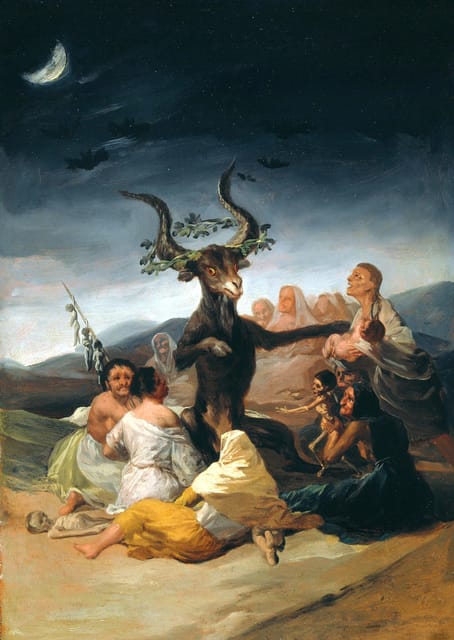
The tour treats witchcraft as a form of heresy in the eyes of the tribunal. People accused of sorcery or witchcraft could be arrested, interrogated, and tortured. Some Toledo legends tell of witches and sorcerers meeting in secret places, but the guide also distinguishes folklore from what can be treated as historical fact.
That balance is one of the strongest features of the experience. If you book expecting a supernatural show, you may find the tour more sober than anticipated. One visitor specifically appreciated that the guide concentrated on historical matters rather than mysteries and myths, though also wanted more dramatic stories. That is a fair warning: the interest here comes from the real system of persecution, not from staged suspense.
Same streets, a very different kind of fright:
- Barcelona: Gothic Quarter Ghosts and Legends Walking Tour
★ 4.7 · 1,443 reviews - Madrid Oscuro: Torture, Ghosts, Crimes and Legends
★ 5.0 · 1,363 reviews - Seville Evening Historical Tour with Haunted History
★ 5.0 · 626 reviews - Barcelona Ghosts & Legends Tour
★ 4.5 · 548 reviews
San Vicente and the end of the Inquisition
Near the former Church of San Vicente, the tour turns toward the Inquisition’s final period in Spain. The tribunal began in the 15th century and continued into the 19th century, so this stop helps you see the subject as a long institution rather than a brief episode in medieval Toledo.
The guide also tells stories about some of the city’s most famous prisoners. These individual cases can make the larger structure easier to grasp. Instead of thinking only about laws and offices, you can consider what the process meant for a person who was accused, detained, questioned, punished, or publicly shamed.
The ending matters because it prevents a common misunderstanding. The Inquisition was not simply something that disappeared with the Middle Ages. Its influence continued for centuries, and the discussion of its end shows how changing political and religious conditions eventually brought the tribunal to a close.
The route returns to Calle Armas 3. With only 90 minutes, the walk is compact. You get a focused historical thread rather than an all-day survey of Toledo. That makes it a good addition to a packed sightseeing schedule, but it also means the guide must keep moving and cannot give every location a long explanation.
What the guide style may be like
The activity is led in Spanish by an official local guide. Vanesa has been singled out for her enthusiasm, kindness, energy, broad knowledge of Toledo, and sensitivity when a Jewish person was part of the group. Those details suggest a guide who can handle the topic with care rather than treating persecution as a cheap spectacle.
The tone may vary by guide and departure, but the planned material is clear. You should expect an explanation of the tribunal’s hierarchy, its procedures, public ceremonies, prisons, punishments, witchcraft accusations, famous prisoners, and the tribunal’s end.
Because the subject includes Jewish history and religious persecution, sensitivity matters. The reference to Vanesa is useful if you are concerned about whether the discussion will be handled respectfully. At the same time, the experience is still a short walking tour, not an academic seminar. You will receive an organized account with stories and context, but not an exhaustive study of every case.
Spanish ability is the key decision point. No English-language option is stated. If you understand Spanish well enough to follow historical vocabulary and a continuous spoken explanation, the format should be accessible. If not, the low price will not compensate for missing the central content.
Is $10 good value for 90 minutes?
At $10 per person, this is inexpensive for a guided walk in central Toledo. The value is strongest if you want a focused introduction to the Inquisition and prefer learning the story while moving between relevant locations instead of paying for a museum or private guide.
The tour also includes an official local guide and does not require additional entrance tickets or other expenses. You are paying for interpretation, route planning, and local context rather than admission to a major monument.
There is a tradeoff. The minimum of six people creates a real operating risk. A booking may be cancelled if there are not enough participants, and two people had departures cancelled less than an hour before the scheduled start. One of those cancellations caused a serious planning problem because time had already been set aside for the visit.
That issue changes how I would use this tour. I would not build an entire day around it or schedule a hard-to-replace connection immediately afterward. If you book, keep your plans flexible until the tour is confirmed. The stated cancellation policy allows a full refund when you cancel at least 24 hours ahead, but a last-minute cancellation by the operator can still cost you valuable sightseeing time even if the money is returned.
Large group bookings are not accepted. A family or friend party may not exceed six people, and at least six people are required for the tour to run. This unusual combination makes the experience better suited to individual bookings or small groups joining other participants than to a large organized party.
Who should book this Toledo walk?
I would recommend it to you if you want the darker side of Toledo explained through real institutions and places. It suits history-minded visitors, people interested in religious persecution, and anyone who has already seen the city’s main monuments and wants a more focused subject.
It is also a good choice if you want to understand how witchcraft accusations fit into a wider system. The walk does not treat witches as fantasy characters detached from daily life. It places accusations alongside interrogation, confession, punishment, and public control.
I would be more cautious if you want an English tour, a full visit inside the Cathedral, a broad architecture tour, or a dramatic ghost experience. You should also think twice if your schedule cannot absorb a late cancellation.
The subject calls for a respectful tone. This is not a spooky entertainment product, even though Toledo’s folklore includes stories of secret meetings and sorcery. The strongest material concerns how ordinary people could become trapped in a system driven by fear and religious certainty.
My verdict on the Inquisition and Witchcraft tour
Book this tour if you can follow Spanish, value historical explanation over theatrical mystery, and can tolerate the possibility of cancellation caused by low attendance. The $10 price is fair, the route covers several meaningful parts of central Toledo, and the discussion of the tribunal’s hierarchy and procedures adds substance.
I would especially consider it after visiting Toledo’s major sights, when you are ready to see the city through a darker political and religious lens. Just keep a backup plan, confirm the departure when possible, and do not mistake the witchcraft title for a promise of horror stories.
FAQ
Where does the tour begin?
It begins at Calle Armas 3, opposite the Rodilla café at the start of Plaza de Zocodover. The guide carries a small colored flag, described as a pink flag.
How long does the tour last?
The walking tour lasts about 1.5 hours.
What language is the tour in?
The live tour guide speaks Spanish. No other language is specified.
What places does the route include?
The route includes Posada de la Hermandad, Toledo Cathedral, the old Jewish Quarter, the Convento de San Pedro Mártir, Iglesia de los Jesuitas, and Plaza de San Vicente. It returns to Calle Armas 3.
Does the tour require extra entrance fees?
No. The tour does not require payment for tickets or additional expenses.
How many people are needed for the tour to run?
A minimum of six people is required. Large group reservations are not accepted, and a family or friend booking may not exceed six people.
Is the tour wheelchair accessible?
Yes, the activity is listed as wheelchair accessible.
Can I cancel and receive a refund?
You can cancel up to 24 hours in advance for a full refund. If you cannot attend, cancel the reservation so the guide is not left waiting.
Just added in Spain
- Inquisition, The Executioner, Witches, Expulsion Jews and Muslims★ 5.0 · 85 reviews
- Gran Canaria: Green Witchcraft in the Magic Island★ 4.9 · 26 reviews
- Seville: City of Queens, Nuns, Sex Work & Witches★ 4.3 · 27 reviews
- Paranormal Seville Tour in Spanish★ 4.5 · 33 reviews
- Seville Paranormal Small-Group Walking Tour★ 5.0 · 133 reviews
- Barcelona Dark History Night Walking Tour With Drinks★ 5.0 · 153 reviews
- Barcelona El Raval Dark History Walking Tour★ 5.0 · 70 reviews
- Barcelona’s Dark History Night Tour★ 5.0 · 181 reviews
Witch Trial & Witchcraft Tours, compared.
Wicked Awesome Tours: Witch Trial History and Salem Haunts!
Read our review →
Best Salem Witch Trials Historical Walking Tour
Read our review →
Browse the lists this tour appears in