
Review · SPAIN
Gran Canaria: Green Witchcraft in the Magic Island
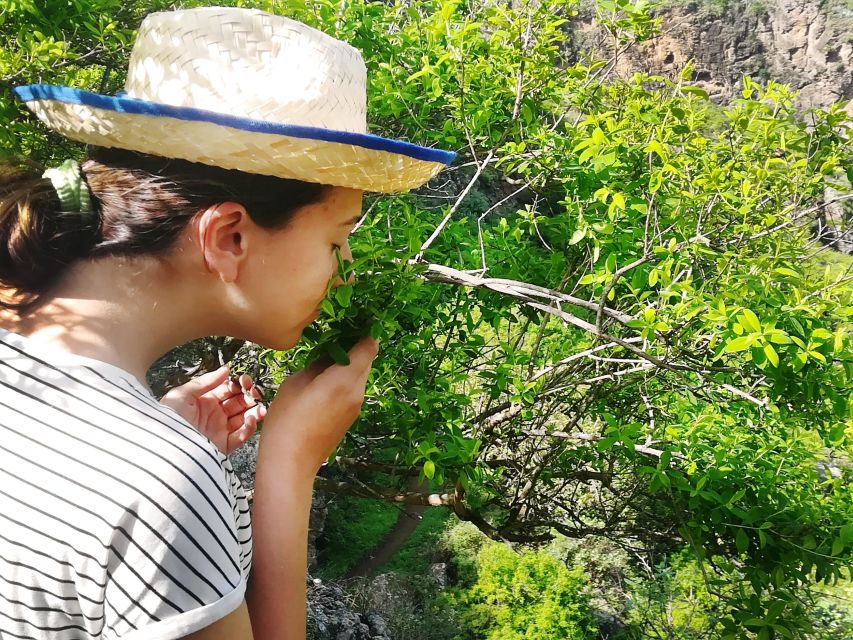
A walk through Azuaje Ravine becomes a lesson in Canarian herbalism, led by Massimo, a local herbolario who connects plants with the old healing traditions of the islands. You will identify herbs, learn how they have been used, and make a natural preparation with your own hands. I like the small group limit of 10 and the chance to finish with tea made from collected plants.
I also like that this is not just a plant talk beside a road. The route follows ravine trails in one of Gran Canaria’s less developed natural areas, with streams, pebble paths, and native vegetation. The catch is simple: this is a moderate hike with a steep gradient, so it is not suitable for people with low fitness, mobility issues, vertigo, or a fear of heights.
Key points to know before booking
- Massimo leads the experience: Expect practical guidance from an experienced Canarian herbalist, with English, Spanish, and Italian available.
- Azuaje Ravine is the classroom: You walk through the valley while learning to identify local medicinal plants in their natural setting.
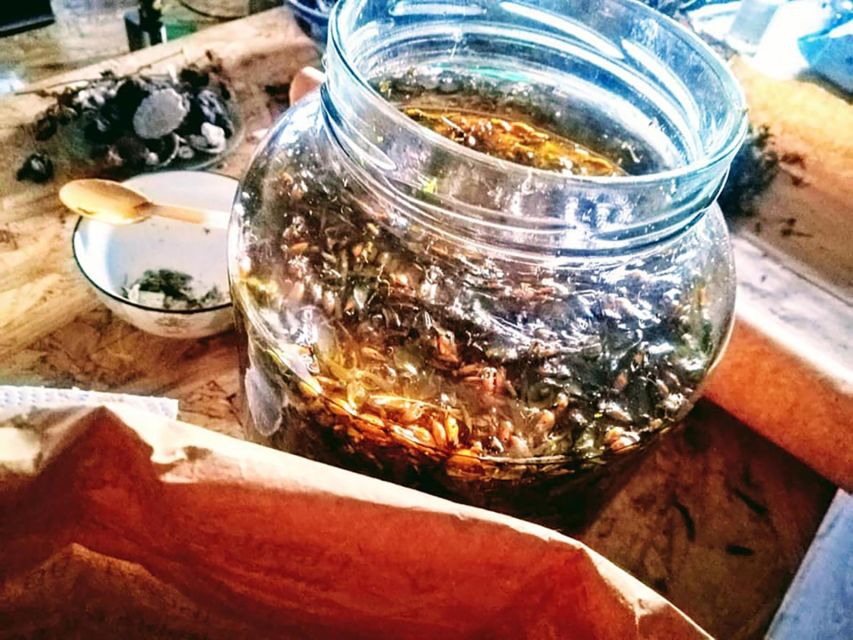
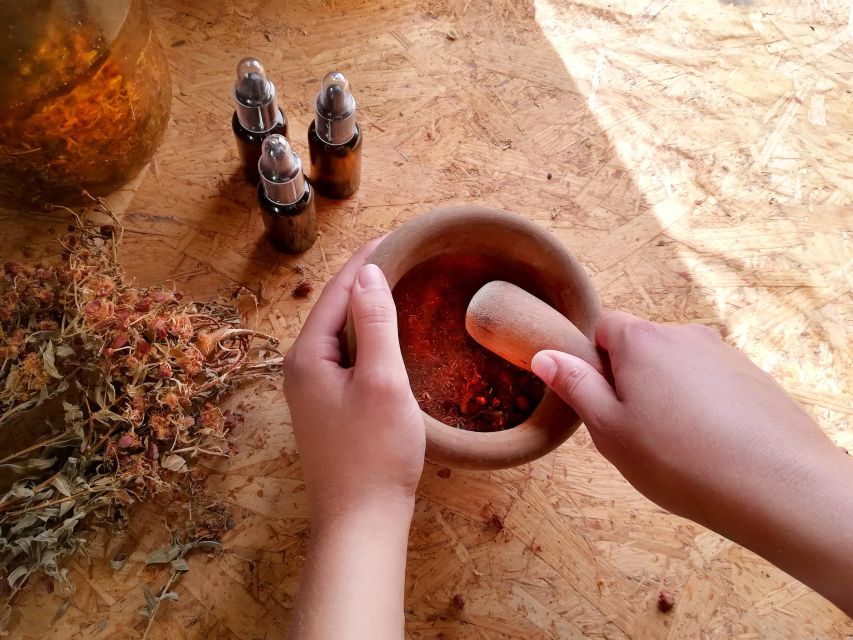
- You make something yourself: The workshop covers natural remedies, tinctures, incense, and a personal preparation to take away.
- The final herbal tea matters: A shared infusion on a terrace gives the outing a calm finish and views over the valley.
- This is a real hike: Wear hiking shoes with good grip, carry water, and be ready for a round trip on uneven ravine paths.
- The price is $69: For three hours of instruction, a guided botanical walk, materials, and a small group, the value is strongest if you want a hands-on nature experience rather than a standard sightseeing stop.
Azuaje Ravine turns a plant lesson into an outing
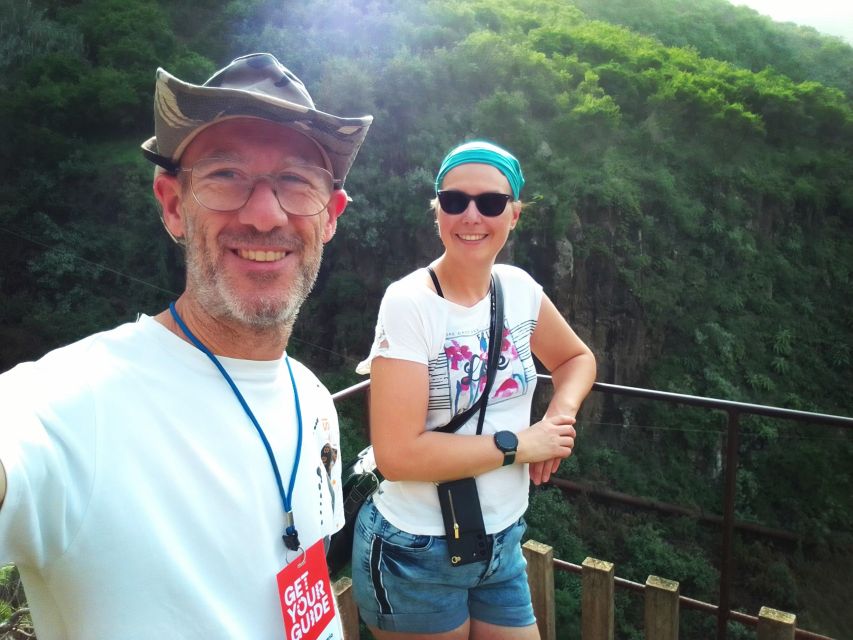
The experience begins at a meeting point in Firgas, in Las Palmas. You are not getting a hotel pickup, so you need to arrange your own way to the village meeting point. A guide wearing a visible GetYourGuide badge meets you there.
From Firgas, the focus shifts quickly from town life to the Azuaje valley. The ravine is known for its remaining native vegetation and its long association with local healers, traditionally called curanderos. That setting gives the workshop a useful sense of place. You are not looking at dried herbs in a shop and trying to picture where they came from. You are learning about plants while walking among them.
The route includes forested sections, small streams, pebble paths, and uneven ground. One person found a hiking stick useful, and I would take that advice seriously if you are unsure on sloping trails. The walk is described as moderate, with an elevation range from about 500 meters to sea level and back along ravine paths.
That last detail is important. The activity is only three hours, but the time includes a round trip on terrain that can feel demanding. You need stable shoes with good grip. Sandals, flip-flops, open-toed shoes, slippers, high heels, and jeans are specifically ruled out. Bring water, sunscreen, and outdoor clothing.
More Witch Tours in Spain
- Inquisition, The Executioner, Witches, Expulsion Jews and Muslims
★ 5.0 · 85 reviews - Seville: City of Queens, Nuns, Sex Work & Witches
★ 4.3 · 27 reviews - Tour of the Inquisition and Witchcraft in Toledo
★ 3.3 · 13 reviews
Meet Massimo, the island herbalist
Massimo is the central personality of the experience. He presents traditional Yerbería, the Canary Islands’ herbal practice, as something tied to daily life, place, and careful observation of nature.
His approach seems broad rather than narrowly technical. You learn about the physical uses of plants, but also about the cultural ideas surrounding herbs and natural healing. That gives the outing a different feel from a standard guided hike. The plants are not simply names to memorize. They become part of a discussion about how people have used their immediate surroundings to support health.
Massimo welcomes participants at his home before the walk, according to the experience details, creating a more personal beginning than meeting a guide at a bus stop. Candela may also be part of the welcome and conversation. The atmosphere is informal, with time to talk about the plants, Firgas, nature, and the role of traditional remedies.
You should keep your expectations sensible. This is an introduction to herbalism, not a medical qualification and not a substitute for professional healthcare. The value comes from learning traditional uses and making a small natural remedy, not from receiving medical treatment.
Learning Yerbería through local plants
The workshop introduces the main ideas behind Canarian herbalism before or during the botanical walk. Massimo explains how to recognize medicinal plants, where they grow, how they are collected, and how they can be prepared.
The practical side is the strongest part. You are not only listening. You collect suitable plants during the walk and use them in a preparation. The experience includes instruction in tinctures, incense, infusions, and other natural remedies, giving you a basic idea of how a home herbal kit might be assembled.
The exact preparation can vary with the available plants and the conditions of the day. That is a good thing in this setting. The activity is linked to the season and the plants growing in the ravine, rather than built around a fixed indoor demonstration.
You take away a preparation made with the plants you collected. You also leave with an introduction to building a personal natural medicine kit. Again, it is best to treat this as traditional plant education. Do not assume that every plant is safe to eat or use without proper guidance, and do not replace prescribed medicine with an herbal remedy.
The walk: streams, stones, and changing ground
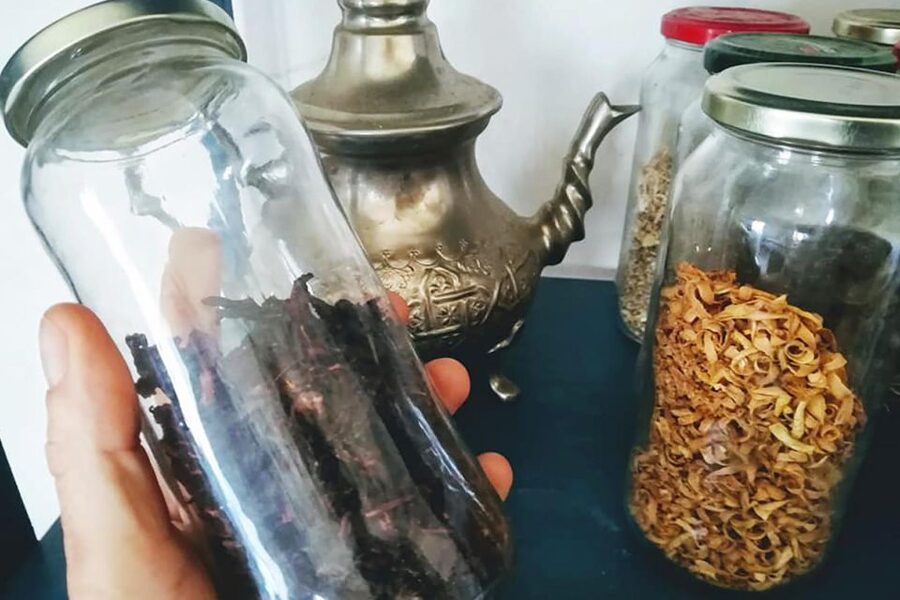
Azuaje Ravine provides the physical center of the outing. The route passes through an area with original vegetation, small waterways, and pebble-strewn trails. It is the sort of place where you need to watch your footing while keeping your eyes open for plants.
The ravine is described as a special healing place for the island and as one of the last areas preserving its original vegetation. That does not mean an untouched wilderness, and the walk should not be confused with a technical mountain trek. It does mean you are visiting a setting where the connection between local plants and local tradition still feels clear.
You may be accompanied by the guide’s beautiful dog, which added warmth and fun to one outing. Do not book this expecting an animal-focused activity, though. The dog is part of the guide’s environment, not a promised feature of every departure.
The route is a round trip, and the gradient is the main physical issue. The elevation changes from around 500 meters to sea level, so the return section can require effort even if the descent feels easy. People with a low level of fitness, mobility impairments, vertigo, a fear of heights, or altitude-related problems should choose another activity.
Same streets, a very different kind of fright:
- Barcelona: Gothic Quarter Ghosts and Legends Walking Tour
★ 4.7 · 1,443 reviews - Madrid Oscuro: Torture, Ghosts, Crimes and Legends
★ 5.0 · 1,363 reviews - Seville Evening Historical Tour with Haunted History
★ 5.0 · 626 reviews - Barcelona Ghosts & Legends Tour
★ 4.5 · 548 reviews
The terrace infusion gives the afternoon a gentle finish
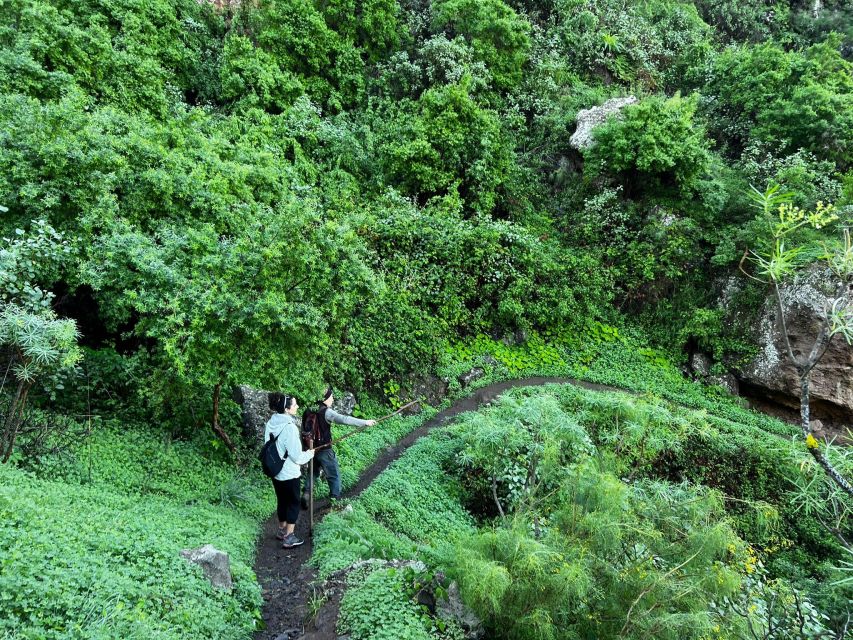
After the walk and workshop, you settle in for a natural herb tea or infusion. The drink is made with collected plants, and the terrace offers views across the valley.
This final session is more than a refreshment stop. It gives you time to discuss what you have seen and prepared, and it brings the activity back to a slower pace after the uneven trail. The contrast works well: first, you pay attention to your feet and the plants along the path; later, you sit still and taste the result.
Food is not included, so you should not count on a meal. A snack is a smart addition, especially if you tend to feel hungry after a moderate walk. Carry your own water throughout the outing.
What $69 buys you
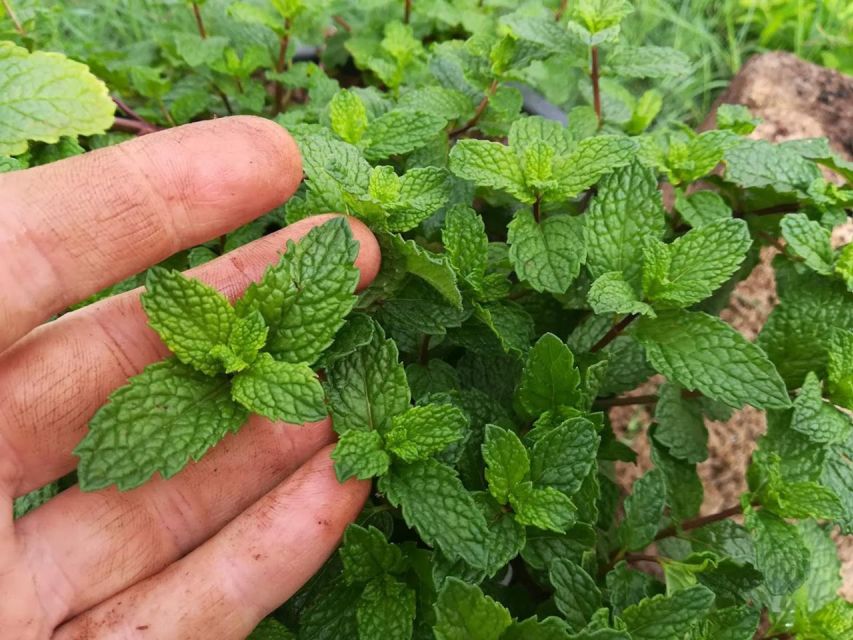
At $69 per person, this is not the cheapest way to see a ravine in Gran Canaria. You could walk in the countryside for less if you were only looking for scenery. The price makes more sense if you want a guide who can explain the plants, share local herbal traditions, lead the route, and provide a hands-on preparation.
The small group limit helps. With no more than 10 participants, you should have a better chance to ask questions and see the plants being discussed. A large group would make the botanical element harder, especially on narrow paths.
The price includes the guided ravine tour, plant identification, the introductory workshop, the herb tea session, and civil liability and accident insurance for clients. It does not include food, hotel transportation, or city pickup and drop-off.
For me, the strongest value is the combination of three things: a genuine rural setting, direct contact with a local guide, and something practical to take home. If you only want an easy scenic walk, the cost may feel high. If you enjoy folk traditions, plant study, and small-group activities, it is easier to justify.
Who will enjoy this experience most
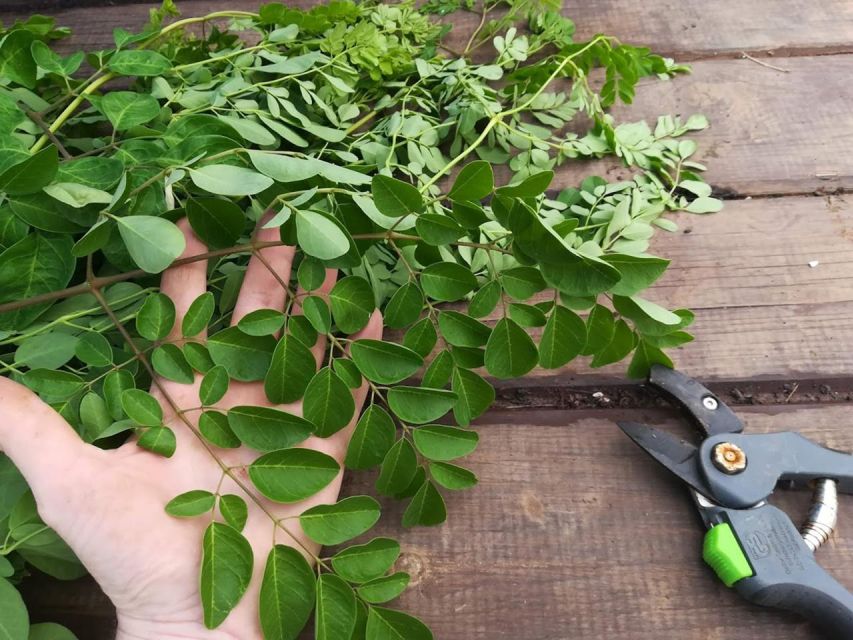
I would recommend it to adults and older children over eight who enjoy walking at a steady pace and are curious about traditional medicine, local customs, or plant identification. It suits you especially well if you prefer a personal activity over a bus tour or a crowded attraction.
Nature lovers will appreciate the chance to see plants in their natural setting rather than in a formal garden. People interested in wellness may enjoy the ideas around natural remedies, but the activity is best approached with an open and practical mind. It presents traditional knowledge, not guaranteed cures.
The tour also works for visitors who want to reach a quieter part of Gran Canaria. The ravine, streams, and pebble paths offer a break from the city and resort areas. The conversation is part of the appeal. Massimo talks about the plants and the island, but the experience also leaves room for reflection on how the natural world can support everyday life.
It is not a good match for everyone. Children under eight are excluded, as are pregnant women, wheelchair users, people with mobility impairments, and people with low fitness. The activity is also unsuitable for people with epilepsy, insect or animal allergies, visual or hearing impairments, vertigo, a fear of heights, or altitude sickness. People over 70 are also listed as unsuitable, so anyone near that age should ask the provider directly before booking.
Practical details that can make or break the day
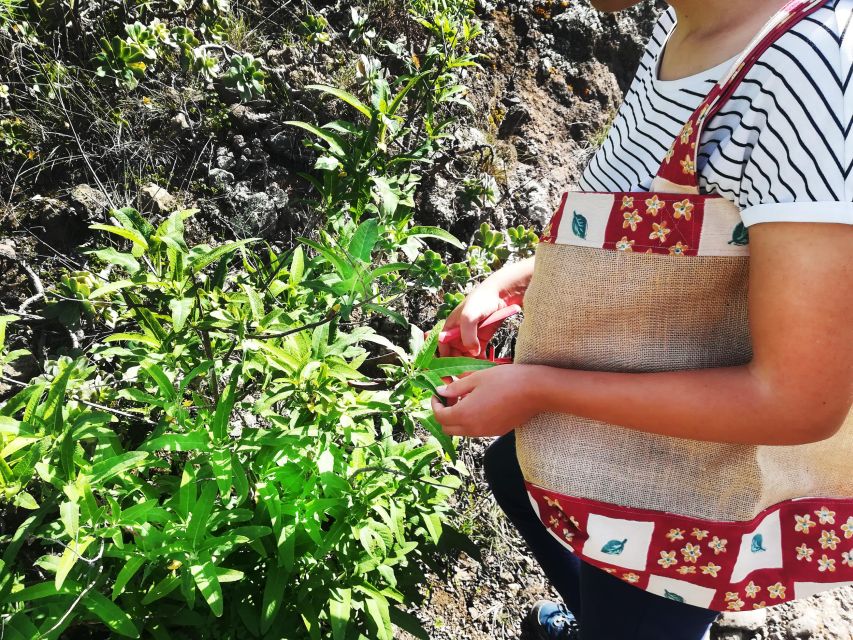
Wear proper hiking shoes with a strong grip. The trail can include stones, slopes, and damp sections near water, so ordinary city trainers may not give you enough support.
Bring:
- Water
- Sunscreen
- Outdoor clothing
- A small snack
- A hiking stick if you normally use one
Do not bring a suitcase or large bag. Drones, speakers, aerosols, alcohol, and other restricted items are not allowed. Open footwear is specifically prohibited.
The experience lasts three hours, but allow extra time for getting to and from Firgas. Since city and hotel transportation is not included, check the meeting point carefully before you leave. The supplied location is in Firgas, and the guide should be identifiable by a GetYourGuide badge.
You can book with English, Spanish, or Italian guidance. The activity offers free cancellation up to 24 hours before the start time, and a reserve-now, pay-later option is available. Starting times depend on the date, so check availability before arranging transport.
Is Green Witchcraft in Gran Canaria worth booking?
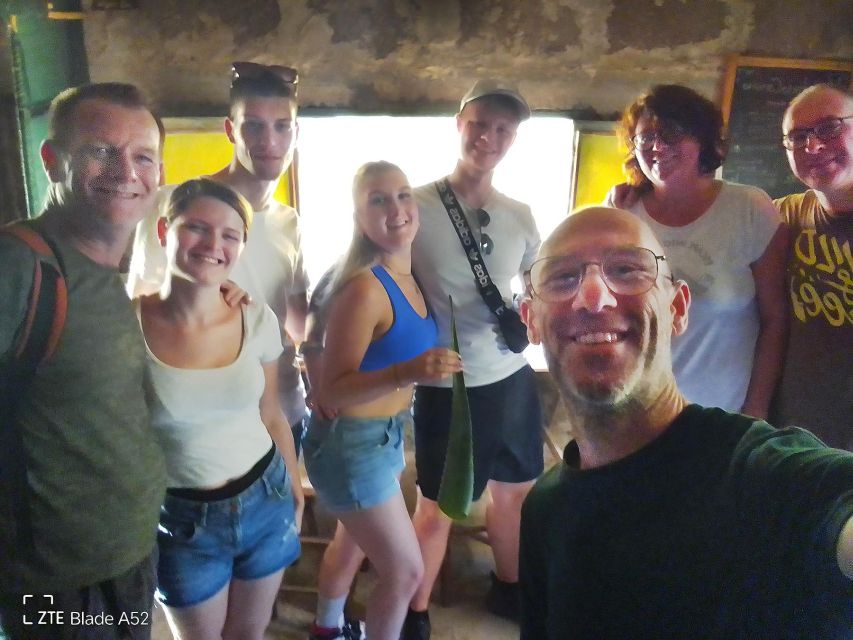
I would book this if you want a small, personal nature experience with a clear local connection. Massimo’s herbal tradition, the Azuaje Ravine setting, and the chance to make a plant preparation give it more substance than a simple countryside walk.
I would skip it if you want a relaxed stroll, a family outing with very young children, or a tour with hotel pickup. The climb, uneven ground, and suitability limits are real. For the right participant, though, $69 buys a thoughtful three hours of walking, conversation, plant study, and herbal tea in one of Gran Canaria’s most atmospheric valleys.
FAQ
Where does the Green Witchcraft experience meet?
The meeting point is in Firgas, Las Palmas. Hotel and city pickup and drop-off are not included.
How long does the activity last?
The experience lasts three hours. Starting times depend on availability for your chosen date.
What languages are available?
The live guide can lead the experience in English, Spanish, or Italian.
How large is the group?
The group is limited to 10 participants.
What happens during the botanical walk?
You walk through Azuaje Ravine, identify local plants, learn about their traditional uses, and collect suitable medicinal plants as part of the workshop.
Do I make a remedy during the experience?
Yes. You prepare a natural remedy with medicinal plants and take a preparation made with your own hands.
Is food included?
No. Food is not included, so bring a snack if you expect to need one after walking.
What should I wear and bring?
Wear hiking shoes with good grip and outdoor clothing. Bring water and sunscreen. Jeans, sandals, flip-flops, open-toed shoes, slippers, and high heels are not allowed.
Just added in Spain
- Inquisition, The Executioner, Witches, Expulsion Jews and Muslims★ 5.0 · 85 reviews
- Seville: City of Queens, Nuns, Sex Work & Witches★ 4.3 · 27 reviews
- Tour of the Inquisition and Witchcraft in Toledo★ 3.3 · 13 reviews
- Paranormal Seville Tour in Spanish★ 4.5 · 33 reviews
- Seville Paranormal Small-Group Walking Tour★ 5.0 · 133 reviews
- Barcelona Dark History Night Walking Tour With Drinks★ 5.0 · 153 reviews
- Barcelona El Raval Dark History Walking Tour★ 5.0 · 70 reviews
- Barcelona’s Dark History Night Tour★ 5.0 · 181 reviews
Witch Trial & Witchcraft Tours, compared.

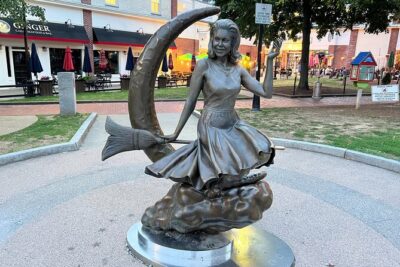
Wicked Awesome Tours: Witch Trial History and Salem Haunts!
Read our review →
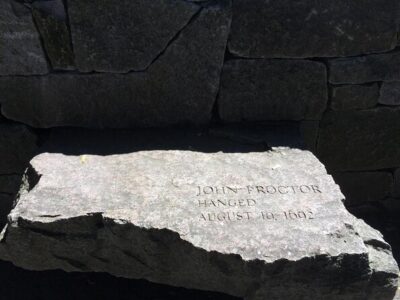
Best Salem Witch Trials Historical Walking Tour
Read our review →
Browse the lists this tour appears in