
Review · ANDALUSIA
Seville: City of Queens, Nuns, Sex Work & Witches
Seville’s past looks different when you follow the women who lived it. This two-hour walk links queens, cigar workers, artists, nuns, sex workers, witches, and literary figures with famous places such as Plaza de España and the old Tobacco Factory.
I like the female point of view, which adds stories often left out of standard city tours. I also like the small group, capped at eight, and the chance to hear a guide such as Abby or Nico explain the city with humor and plenty of local color.
The main drawback is the price: $105 per person for two hours is high for a walking tour, especially since no monument admissions are listed. You are paying for the theme, the guide, and the personal storytelling, not for a long list of included attractions.
Key points at a glance
- Cigar girls at the old Tobacco Factory: Learn about the women who worked in one of Seville’s most important former workplaces.
- A women-focused route: The tour brings queens, workers, literary figures, and less powerful women into the city’s story.
- Classic Seville sights: See María Luisa Park, Plaza de España, the 1929 Exposition buildings, the old Jewish quarter, and Callejón del Agua.
- Small groups of up to eight: The size should make it easier to ask questions and hear the guide in busy parts of town.
- Guides with personality: Abby and Nico have led tours in the past, with English and Spanish available.
- A local bar stop: The route includes a refreshing stop at an atmospheric bar, useful on Seville’s hot days.
Why this Seville tour feels different
Most first visits to Seville focus on kings, cathedrals, conquistadors, and grand architecture. This walk keeps the monuments but changes the questions. Who worked here? Who had power? Who was ignored? How did women shape daily life, literature, and the city’s public spaces?
That change in viewpoint is the real reason to book. You still see major sights, but the guide uses them as settings for personal stories. The result should feel less like a parade of dates and more like a walk through the lives attached to Seville’s buildings.
The title promises a broad range of subjects, including queens, nuns, sex work, and witches. The supplied route specifically names figures such as the cigar girls, Doña Sol, Susona, and Doña Inés. You should expect history mixed with legend and literature, rather than a formal lecture focused only on documented political events.
The tour is offered in English or Spanish. Past bookings have been led by Abby and Nico. Abby is described as informative, engaging, and humorous, while Nico is noted for his warmth, good English, and ability to keep even a grumpy teenager involved. Your guide may be different, but those names give you a useful sense of the style: conversational, story-led, and willing to adapt.
More Witch Tours in Spain
- Inquisition, The Executioner, Witches, Expulsion Jews and Muslims
★ 5.0 · 85 reviews - Gran Canaria: Green Witchcraft in the Magic Island
★ 4.9 · 26 reviews - Tour of the Inquisition and Witchcraft in Toledo
★ 3.3 · 13 reviews
Starting at the Queen’s Sewing Box
Meet at the Costurero de la Reina, or Queen’s Sewing Box, at Paseo de las Delicias 3. This small, decorative building gives the tour a fitting start because its name and story connect women, royal life, and Seville’s public image.
You will hear about the role of women connected with the building before walking toward María Luisa Park. The stop itself is brief, so do not expect a long architectural visit. Its value comes from the story attached to the place and from the way it sets up the tour’s main idea.
The meeting point is outside rather than inside a major museum or palace. That makes it easy to begin a walking route, but you should arrive ready for the weather. Seville can be hot, and much of the experience takes place outdoors.
The 1929 Exposition and Seville’s grand public face
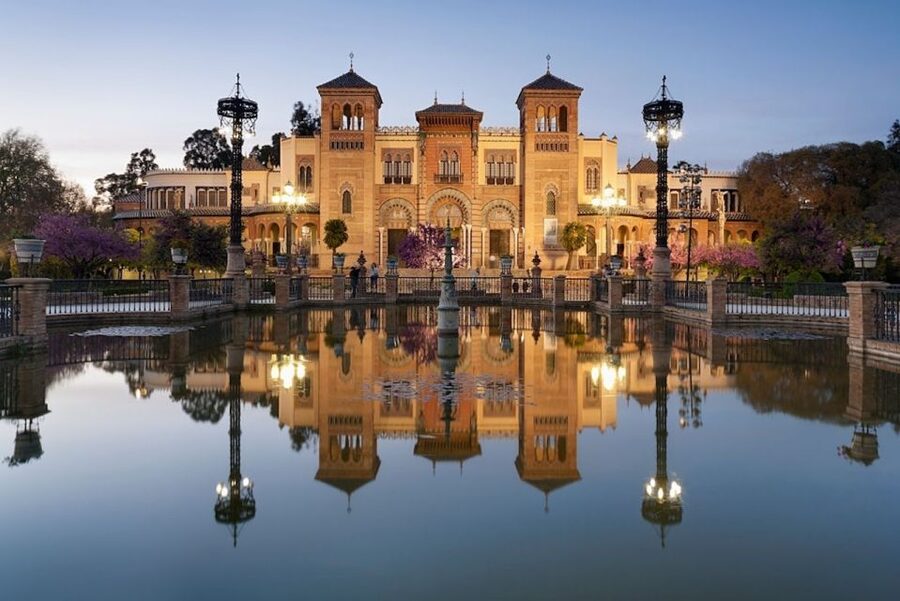
The route passes the former United States Pavilion and the Portugal Pavilion from the 1929 Exposition. These buildings show how Seville used architecture and international displays to present itself to the world.
The guide connects that public image with women’s roles. At the United States Pavilion, you will spend only a short time, but the stop helps establish the setting before the route enters María Luisa Park. At the Portugal Pavilion, the guide gives another short explanation of the building and its place in the exposition area.
These stops are useful for people who want more than a quick photo at Plaza de España. You will learn why this part of Seville contains such an unusual mix of decorative buildings, formal spaces, and parkland.
One practical point: this is a walking tour, not an architecture tour with interior visits. The supplied plan lists visits to the pavilions, but it does not include admission to exhibitions or buildings. If you want to go inside any site afterward, treat that as a separate plan.
Walking through María Luisa Park
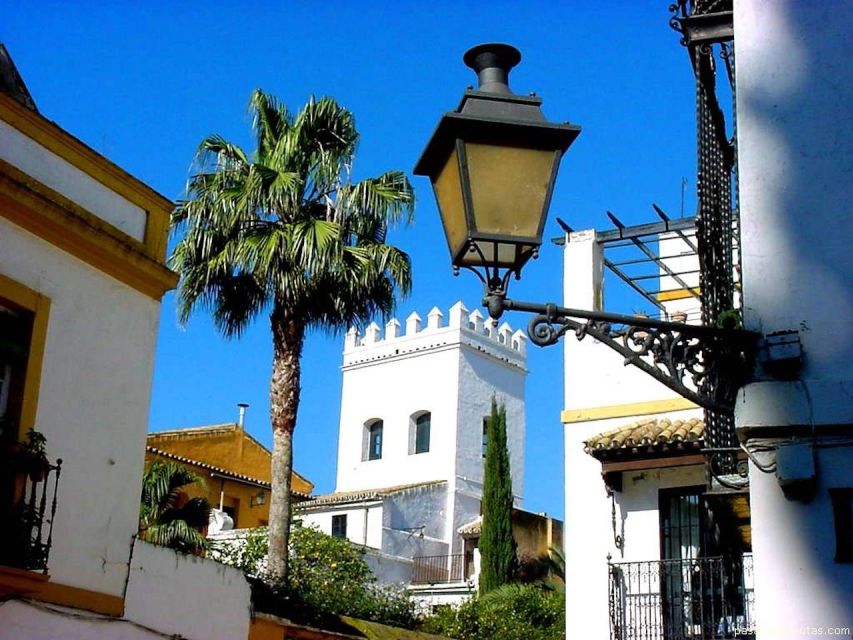
María Luisa Park is one of the pleasures of the route. Its paths lead you away from traffic and into a more relaxed part of the city. The guide uses the park to discuss women connected with Seville and the social role of these public spaces.
I like this section because it gives the tour room to breathe. Seville’s old center can be crowded and tight, while the park offers wider paths and a slower pace. It also gives you a chance to connect the city’s monuments with everyday outdoor life.
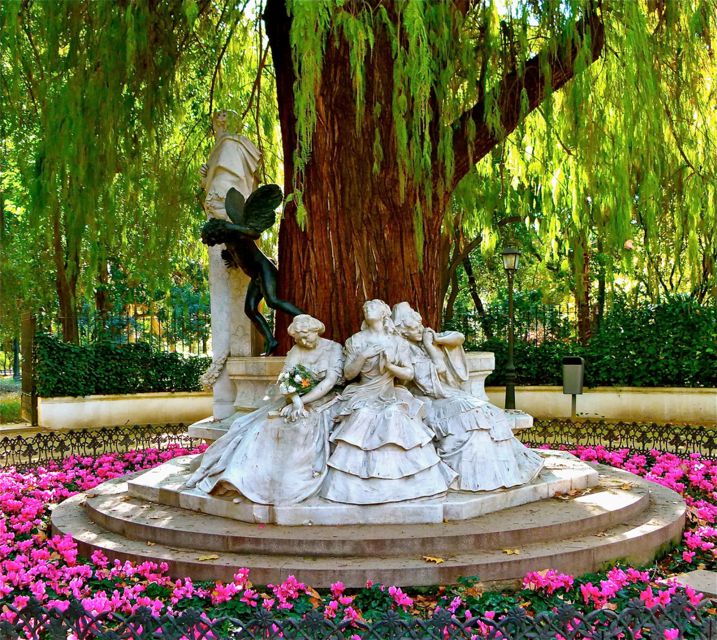
The walk includes the Glorieta de Doña Sol, a smaller stop with a specific female figure at its center. You will not spend long there, but these brief pauses are part of the route’s method. Rather than staying at one museum for an hour, the guide builds a chain of stories across the city.
You should wear comfortable shoes. The distance is not presented as strenuous, but the experience involves several stops and transitions on foot. The route also takes you from the park toward the historic center, so expect a continuous walk rather than a series of nearby monuments.
Same streets, a very different kind of fright:
- Barcelona: Gothic Quarter Ghosts and Legends Walking Tour
★ 4.7 · 1,443 reviews - Madrid Oscuro: Torture, Ghosts, Crimes and Legends
★ 5.0 · 1,363 reviews - Seville Evening Historical Tour with Haunted History
★ 5.0 · 626 reviews - Barcelona Ghosts & Legends Tour
★ 4.5 · 548 reviews
Plaza de España and the women behind the spectacle
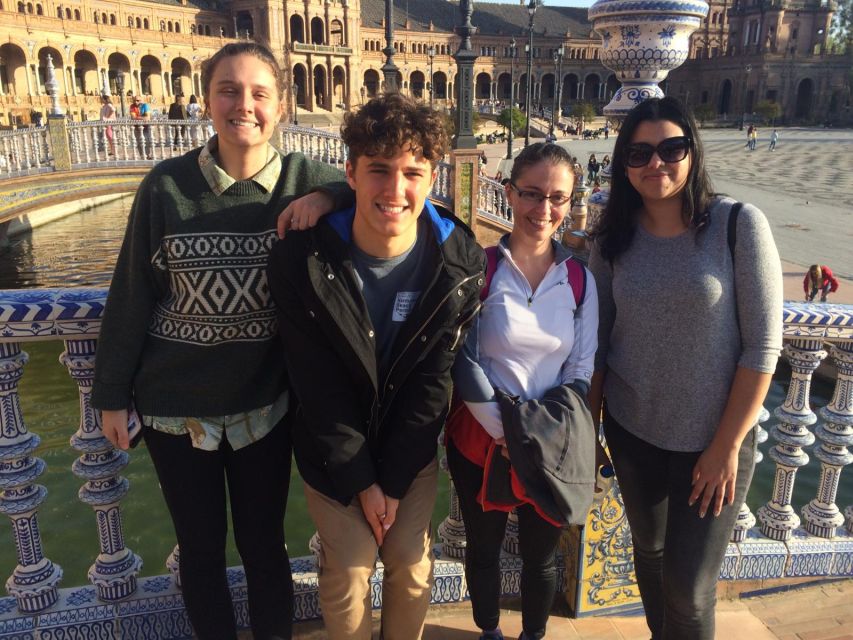
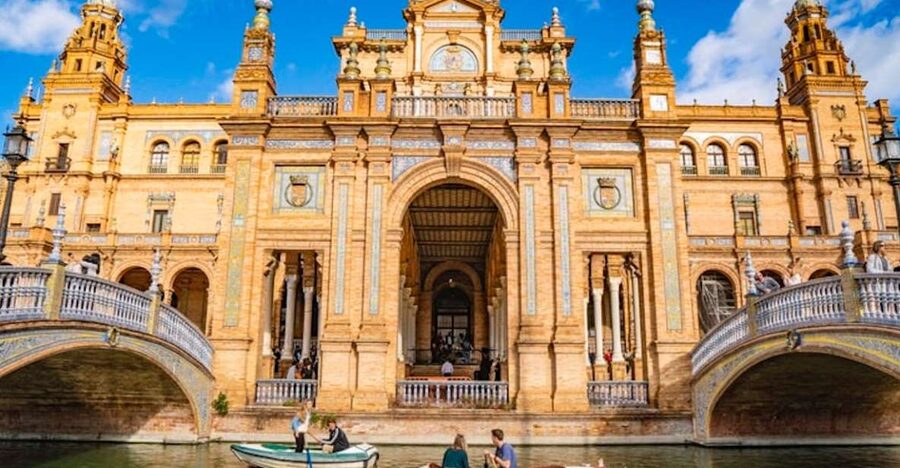
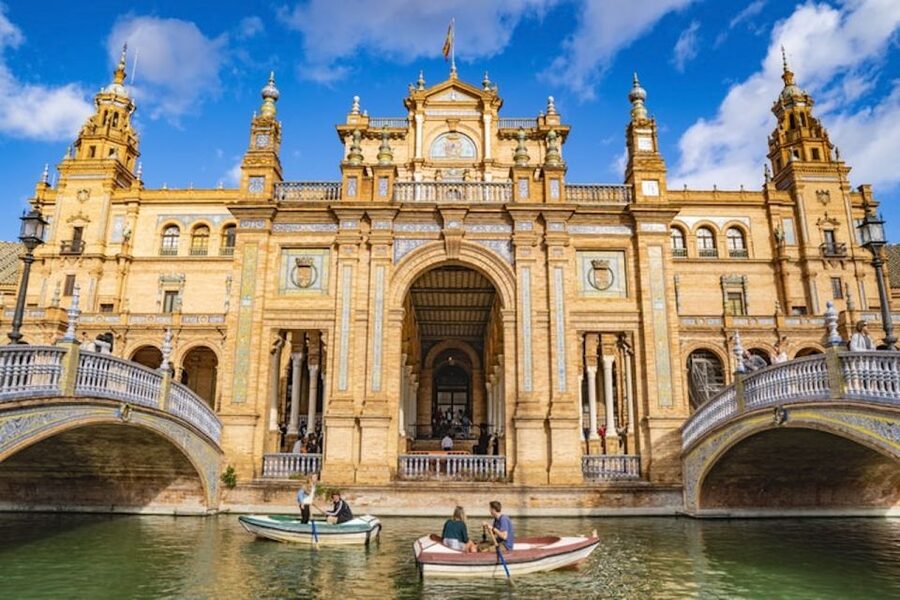
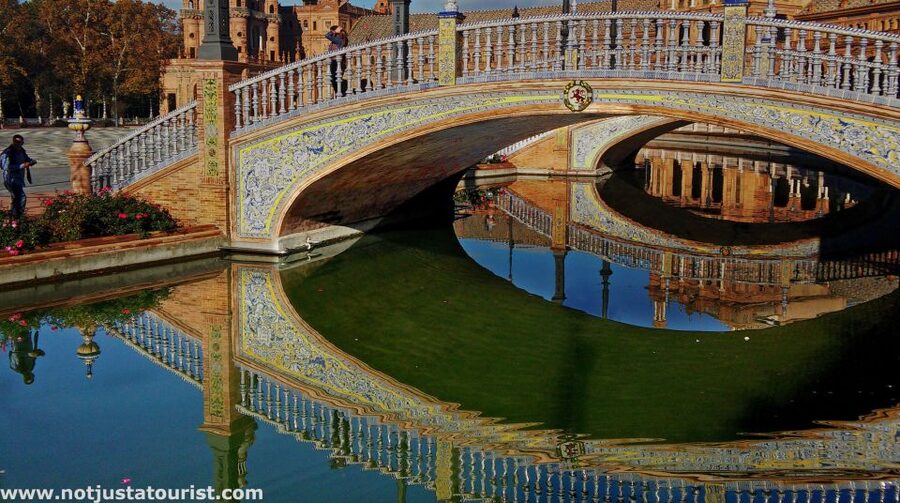
Plaza de España is the grand visual moment of the walk. Its curved building, tiled alcoves, bridges, and open square are among Seville’s most famous sights. Here, the guide gives a more focused explanation of the monument and its connection to the 1929 Exposition.
The women-centered approach helps keep this familiar sight from becoming just a photo stop. You will hear the stories linked with women and the public image of Seville, while also learning how the plaza fits into the city’s modern history.
The scheduled visit is short, so manage your expectations. You will get context and time to look around, but not an exhaustive architectural study. If Plaza de España is a major priority for you, return later when you can explore at your own pace and take photographs without needing to keep up with the group.
Still, seeing the plaza as part of a larger route is useful. The tour shows how it relates to María Luisa Park and the nearby exposition buildings, rather than treating it as an isolated attraction.
The old Tobacco Factory and the cigar girls
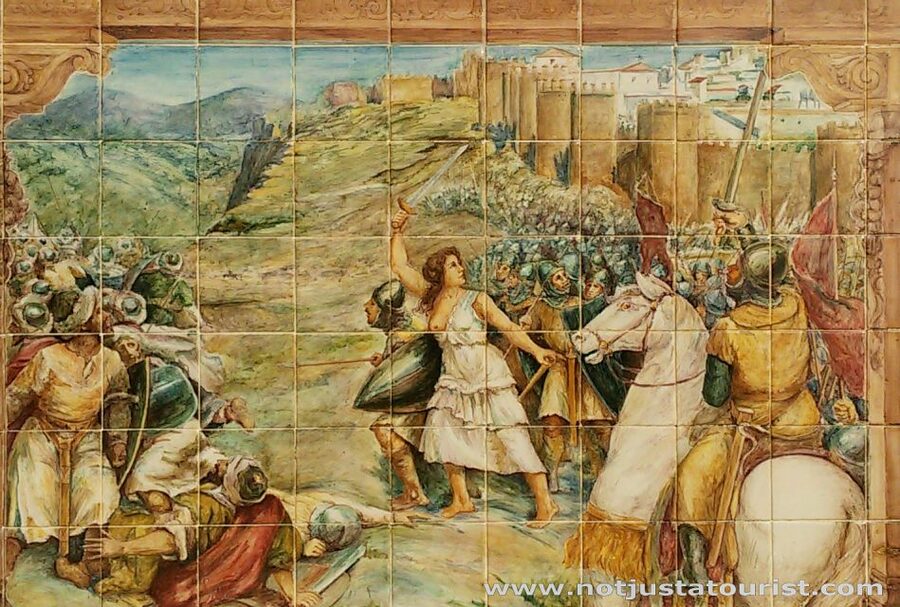
The Antigua Fábrica de Tabacos is one of the route’s most important stops. This former tobacco factory is tied to the cigar girls, women whose work became part of Seville’s identity and later cultural memory.
The building gives the guide a chance to talk about working women rather than focusing only on royalty or famous literary characters. That balance matters. You get a look at how women earned a living and how their labor shaped the city’s reputation.
The cigar girls are also familiar through literature and popular culture, but this tour places them back in Seville. You will hear about the women connected with the factory and the world around it. The stop is especially useful if you want social history, not just stories about palaces and noble families.
Again, the visit is primarily an outdoor explanation. No interior admission is included in the activity details. If the factory interests you as a building, ask the guide what can be visited separately or make a return visit after the walk.
Entering Santa Cruz by way of Susona and Callejón del Agua
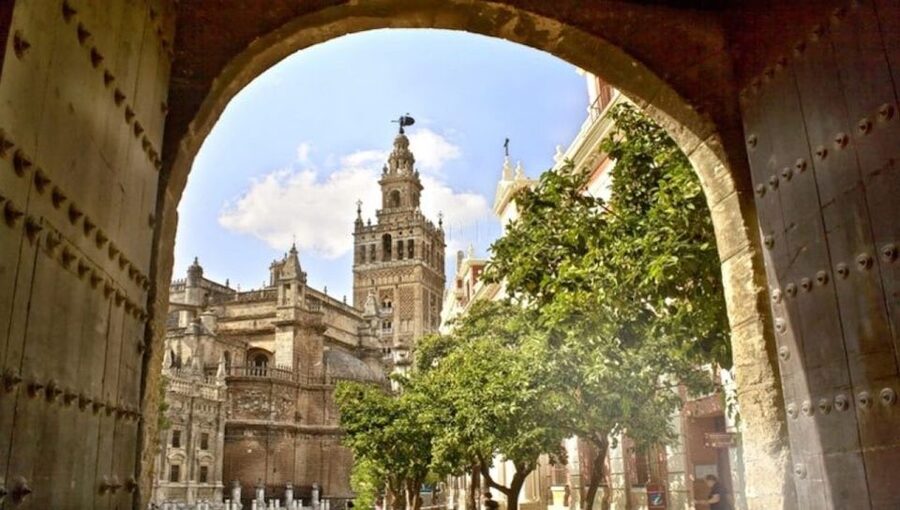
From the old Tobacco Factory, the route moves into Santa Cruz, Seville’s former Jewish quarter. The narrow streets create a strong contrast with the wide spaces around Plaza de España and María Luisa Park.
Calle Susona is one of the more specific stops. Its story connects the street with a woman remembered in Seville’s past. The guide uses the location to show how legends and local memory become part of the city’s identity.
The tour then reaches Callejón del Agua, a narrow passage beside the old walls. This is the sort of place that is easy to pass through without context. A guide helps you notice how the lane, the walls, and the nearby quarter fit together.
Santa Cruz is beautiful, but it can be crowded and confusing. The small group helps here. With no more than eight participants, you should be able to stay close to the guide and hear the stories even in the tight lanes. The route does not promise a full history of the Jewish quarter, so think of this as a focused introduction rather than a complete neighborhood tour.
A literary finish at Plaza Nueva
The walk ends at Plaza Nueva, but the final story looks back to literary Seville. The tour closes near the square where the fictional Don Juan laid hands on Doña Inés.
This ending suits the theme because it brings women back into a famous story often told through its male character. It also gives the tour a clear finish in a central part of Seville, rather than leaving you deep inside the old quarter.
The final stop is not simply a monument visit. It asks you to think about how women appear in stories, who gets remembered, and how literature shapes a city’s image. That is a good final note for a tour built around voices that standard sightseeing can overlook.
What the two-hour format really gives you
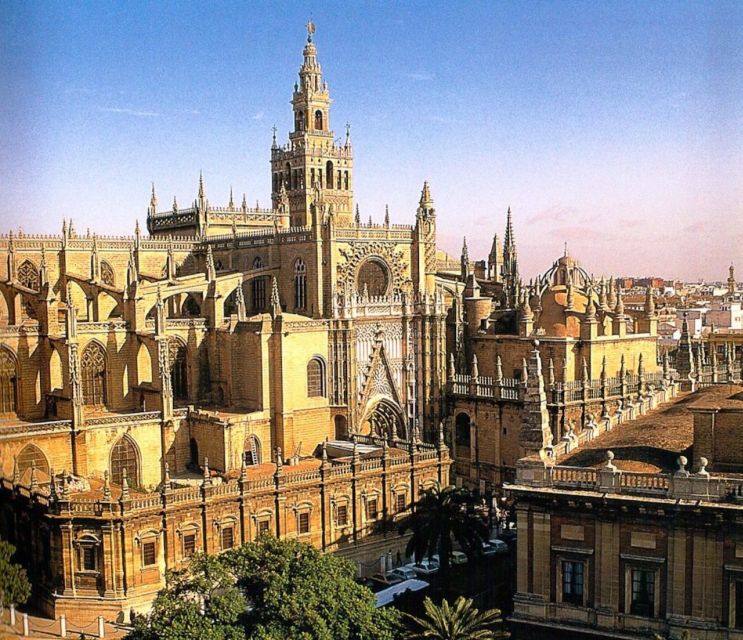
Two hours is enough to cover a lot of ground and see several districts, but it limits the depth of each stop. The listed route includes the pavilions, the Queen’s Sewing Box, María Luisa Park, Doña Sol, Plaza de España, the old Tobacco Factory, Susona, Callejón del Agua, Santa Cruz, and Plaza Nueva.
That is a full route. You will spend much of the time walking between locations, with short explanations at each one. The benefit is variety. You see the park, exposition architecture, a former workplace, narrow old-town streets, and a literary finish in a single outing.
The trade-off is that no single story can receive a long treatment. If you prefer one museum, palace, or historical period at a time, this may feel quick. If you like connecting different parts of a city through one theme, the format works well.
The included city map and local tips add value after the tour. Use them to mark places you want to revisit, restaurants or bars to try, and nearby sights that deserve more time.
The bar stop and the human side of the tour
The route includes a refreshing stop at an atmospheric local bar. The details do not specify whether a drink is included, so you should not assume that it is. The stop is still useful, especially in warm weather, because it breaks up the walking and gives you a chance to talk with the guide.
This is also where the tour’s personal style matters most. Abby and Nico have both been praised for humor, responsiveness, and the ability to adjust to the group. One family received help arranging a carriage ride from the Cathedral after the tour, and Nico bought drinks for the group on a hot day. Those actions are not guaranteed, but they show the kind of practical help a personable guide may offer.
The small-group limit makes that possible. A guide handling eight people can answer questions and notice if someone needs a slower pace more easily than a guide leading a large crowd.
Is $105 a fair price?
At $105 per person, this is a premium walking tour. It costs more than a basic orientation walk, so you should book it for the subject and guide rather than expecting included entry tickets or a full day of sightseeing.
The strongest value comes from the narrow theme. You are paying for a route built around women’s lives, with a guide who can connect places that might otherwise feel unrelated. The group size also matters. Eight people is small enough for a more personal exchange, and the price may make more sense if you want to ask questions or request a customized focus.
The provider allows customized tours and combinations with other activities or workshops. Ask about that option if you want to extend the women’s history theme or shape the experience around your interests. The available languages are English and Spanish.
Free cancellation is available up to 24 hours before the start, and you can reserve now while paying later. Those terms help if your Seville schedule is still changing, but they do not change the basic price question: this is best for people who value interpretation and a small group.
Who should book this walk?
I would choose this tour if you have already seen Seville’s headline sights and want a different frame for the city. It also works well early in a visit because the route covers several important areas and ends near the center.
It suits adults, curious teenagers, readers interested in Don Juan, and anyone who wants social history alongside architecture. The guide’s conversational approach can help families, especially if younger members lose interest during formal historical talks.
It may not suit you if you want long visits inside monuments, a strenuous historical lecture, or a tour focused mainly on the Cathedral and Alcázar. Those attractions are not the heart of this route.
Plan for sun, comfortable shoes, and a steady walk. Keep the rest of your day flexible enough to return to Plaza de España or Santa Cruz if one of the stops catches your interest.
Should you book it?
Book this tour if the women of Seville interest you more than another standard list of kings and buildings. The cigar girls, the Queen’s Sewing Box, Doña Sol, Susona, and Doña Inés give the walk a clear identity.
At $105, I would not call it a bargain. But for a small group, a focused subject, bilingual guiding, and a route that reaches both famous sights and quieter corners, it can be good value for the right person. Choose it for the stories and the guide, not for included admissions or a long stop at every monument.
FAQ
Where does the tour start?
It starts at the Costurero de la Reina monument at Paseo de las Delicias 3, 41001 Seville.
Where does the tour finish?
The tour finishes at Plaza Nueva in central Seville.
How long does the tour last?
The walking tour lasts two hours.
What languages are available?
The tour is available in English and Spanish.
How many people can join the group?
The minimum group size is two participants, and the maximum is eight.
Which major Seville sights does the route visit?
The route includes María Luisa Park, Plaza de España, the United States Pavilion, the Portugal Pavilion, the old Tobacco Factory, Santa Cruz, Callejón del Agua, and other historic streets and monuments.
What is the women’s history focus?
The tour explores influential and less powerful women connected with Seville. Topics and figures include the cigar girls, queens, Doña Sol, Susona, and Doña Inés, along with themes involving nuns, sex work, and witches.
Is a professional guide included?
Yes. A professional live guide leads the walking tour, with English and Spanish available.
Can I cancel the booking?
Yes. You can cancel up to 24 hours in advance for a full refund. You can also reserve now and pay later.
Just added in Spain
- Inquisition, The Executioner, Witches, Expulsion Jews and Muslims★ 5.0 · 85 reviews
- Gran Canaria: Green Witchcraft in the Magic Island★ 4.9 · 26 reviews
- Tour of the Inquisition and Witchcraft in Toledo★ 3.3 · 13 reviews
- Paranormal Seville Tour in Spanish★ 4.5 · 33 reviews
- Seville Paranormal Small-Group Walking Tour★ 5.0 · 133 reviews
- Barcelona Dark History Night Walking Tour With Drinks★ 5.0 · 153 reviews
- Barcelona El Raval Dark History Walking Tour★ 5.0 · 70 reviews
- Barcelona’s Dark History Night Tour★ 5.0 · 181 reviews
Witch Trial & Witchcraft Tours, compared.
Wicked Awesome Tours: Witch Trial History and Salem Haunts!
Read our review →
Best Salem Witch Trials Historical Walking Tour
Read our review →
Browse the lists this tour appears in