
Review · LAZIO
Rome Secrets: Dark History & Tasty Bites Tour
Rome’s darker side begins in the Jewish Ghetto, where legends of Kabbalah, the Golem, and the strange power of the number seven set the tone. From there, this two-hour walk threads through frescoed passages, a skull-covered church, Campo de’ Fiori, and old routes between the Vatican and central Rome.
I like the mix of lesser-known stories and real food stops, especially the Roman pizza early in the walk and the ciambelline biscuits with wine near the end. Guides such as Simona and Daniele have earned especially warm praise for their storytelling, humor, and local insight.
The main consideration is pace. Two hours covers several places, so you get a lively introduction rather than long visits inside monuments. The church is listed as a photo stop, and the tour is more about atmosphere and stories than formal museum-style sightseeing.
Key points to know before booking
- The Jewish Ghetto opens the tour with mysticism, Kabbalah, and the legend of the Golem.
- Roman pizza, local sweets, one beer, and one glass of wine are included.
- Santa Maria dell’Orazione e Morte has skulls, bones, and a striking reminder of Rome’s mortality.
- Campo de’ Fiori brings the story of Giordano Bruno and religious persecution into the evening.
- Passetto del Biscione and Arco dei Banchi reveal narrow corners many visitors miss.
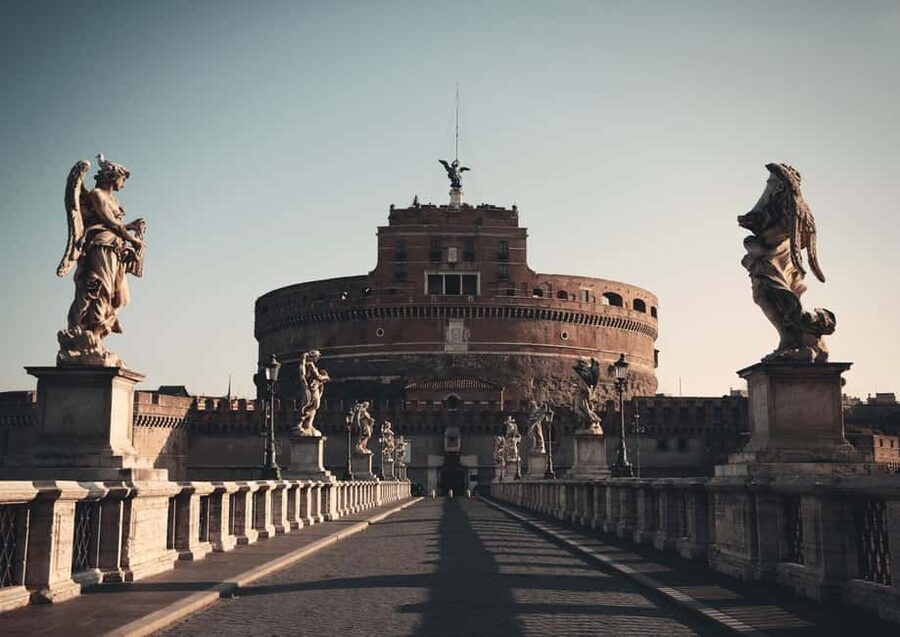
- The tour finishes near Ponte Sant’Angelo with the grim story of Mastro Titta, Rome’s executioner.
Why this Rome night walk feels different
Rome usually sells itself through emperors, popes, fountains, and grand squares. This experience takes another route. It focuses on the people, beliefs, crimes, punishments, and rumors that linger behind familiar streets.
You are not simply walking from one famous sight to another. The guide uses small corners as prompts for bigger stories. A passageway becomes a setting for secret meetings. A church façade becomes a lesson in how Rome cared for bodies pulled from the Tiber. A statue in a busy square recalls a public execution for heresy.
That approach works well if you already know Rome’s main sights and want something less polished. It also works on a first evening, when a story-led walk can help you understand how old streets connect. Ruth, one of the recent participants, considered it a strong first-night activity because it combined food with an introduction to Rome’s past.
The tone is spooky, but this is not a horror show. The stories concern actual people and places, with folklore mixed into documented events. Edith described getting goose bumps, while other comments praised the way history and legends were kept together without losing the human side.
More Dark History Tours in Italy
- Venice: Mysterious Tales of Ghosts and Murders
★ 4.9 · 636 reviews - Rome: Guided Bar Crawl with Drinks & Dark History
★ 4.9 · 444 reviews - Rome: Small Group Rome’s Dark Side – Ghosts & Legends Tour
★ 4.9 · 343 reviews
Portico d’Ottavia and the Jewish Ghetto
Meet in front of the ruins of the Portico d’Ottavia. This is a fitting start because the opening setting already carries layers of Roman, Jewish, religious, and political history.
The first section explores the Jewish Ghetto’s traditions of mysticism and Kabbalah. You hear about the Golem, a legendary figure associated with Jewish folklore, and the curious importance of the number seven in Rome. The point is not to prove every tale. It is to show how beliefs, fears, and local memory shape a city.
The guide’s storytelling matters here. Simona received repeated praise for her passion and warmth, while Daniele was noted for making smaller and less obvious details feel important. If your guide is one of these two, expect a strong personal voice. Other guides named in the feedback include Sylvia and Daniel, both praised for enthusiasm and clear storytelling.
This part of the tour can feel more atmospheric than visual. You are walking through an area where the guide’s words do much of the work. Keep your attention on the details around you, but expect the focus to be on stories rather than a long architectural explanation.
Roman pizza before the darker stories
A food stop in the Jewish Ghetto breaks up the opening talk. You receive Roman pizza, described as hot and fragrant, before heading farther into the city.
I like this choice. Food gives you a short pause, and the pizza makes the tour feel connected to everyday Rome rather than only to its dramatic past. The tasting is listed at about ten minutes, so think of it as a generous sample rather than a full meal.
The included drinks also help explain the $40 price. The package includes one glass of beer, one glass of wine, and local sweets, along with the pizza. Several comments praise the food, with pizza and gelato mentioned in the tasting experience. Since the written inclusions specifically name Roman pizza, ciambelline, beer, wine, and local sweets, check the current menu if a particular dessert matters to you.
You should still plan another meal if you are hungry. The tour offers several tastings, but it is not presented as a full dinner. For many people, that is an advantage. You can enjoy the walk without committing to a long restaurant meal.
Passetto del Biscione and Rome’s Madonnelle
The route then reaches Passetto del Biscione, an old frescoed corridor tucked into the city fabric. It is the sort of place you could easily pass without knowing why it matters.
Here, the stories turn toward secret meetings, forbidden love, and quick escapes. The corridor’s appearance adds to the mood, especially as the light fades. This is also a good camera stop, although the tour moves on after a short explanation.
You hear about Rome’s Madonnelle too, the small sacred images placed in unexpected corners. These images help you notice a quieter side of the city. Rome’s religious character is not limited to basilicas and grand interiors. It also appears in small pictures and shrines built into ordinary streets.
The practical lesson is simple: keep your eyes up and around you. The best details may be painted, carved, or tucked above eye level. This is one of the places where the tour offers more than a standard route between major attractions.
More Dark History Tours in Rome
- Rome’s Dark Side Ghosts and Legends Tour
★ 5.0 · 93 reviews
Campo de’ Fiori and Giordano Bruno
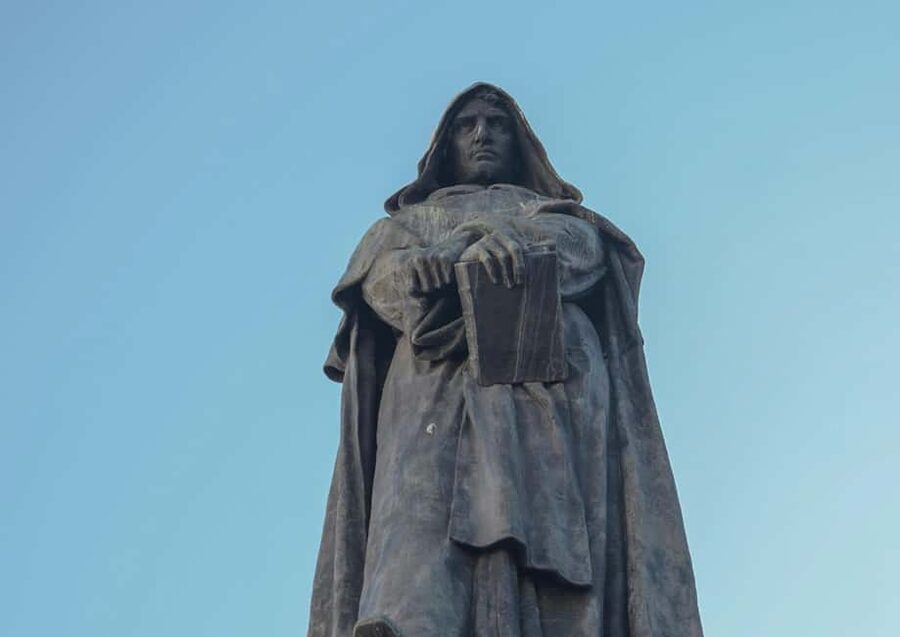
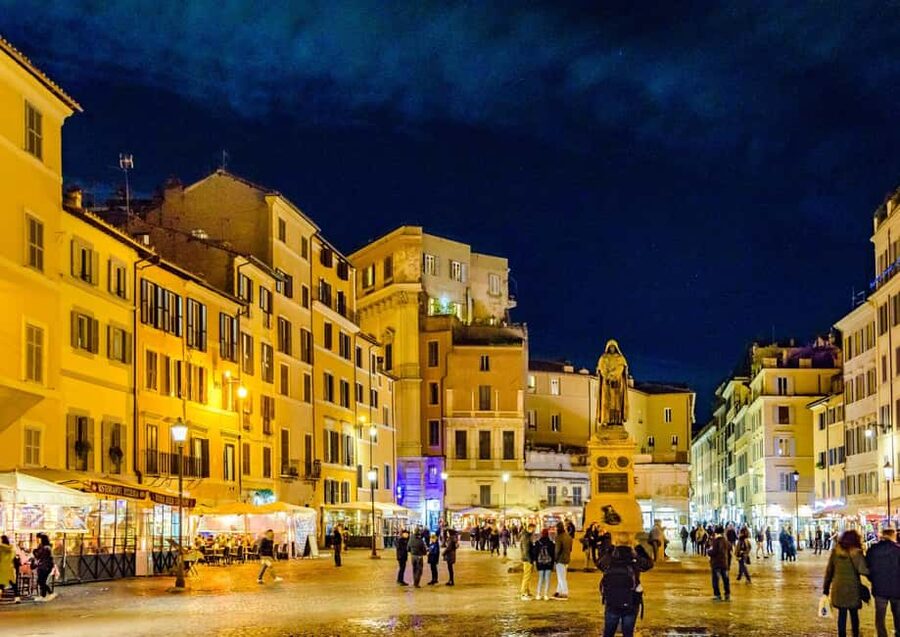
Campo de’ Fiori changes the mood. By day, it is known for its market and open-air energy. On this walk, the bronze statue of Giordano Bruno becomes the main focus.
Bruno was burned alive for heresy in 1600. His statue now looks across the square as a symbol of free thought and forbidden knowledge. The story carries weight because it is tied to a real public punishment, not just an old ghost tale.
I appreciate the way this stop gives the tour a moral center. The evening is not only about poisoners, ghosts, and executioners. It also asks what happens when institutions punish ideas they fear.
The guide usually has about ten minutes here, according to the listed schedule. That is enough for the main story, but not enough for a full lecture on Bruno’s philosophy or the religious politics of his time. If you want detailed academic treatment, you may find this section brief. If you want a clear, memorable introduction, it works well.
Santa Maria dell’Orazione e Morte
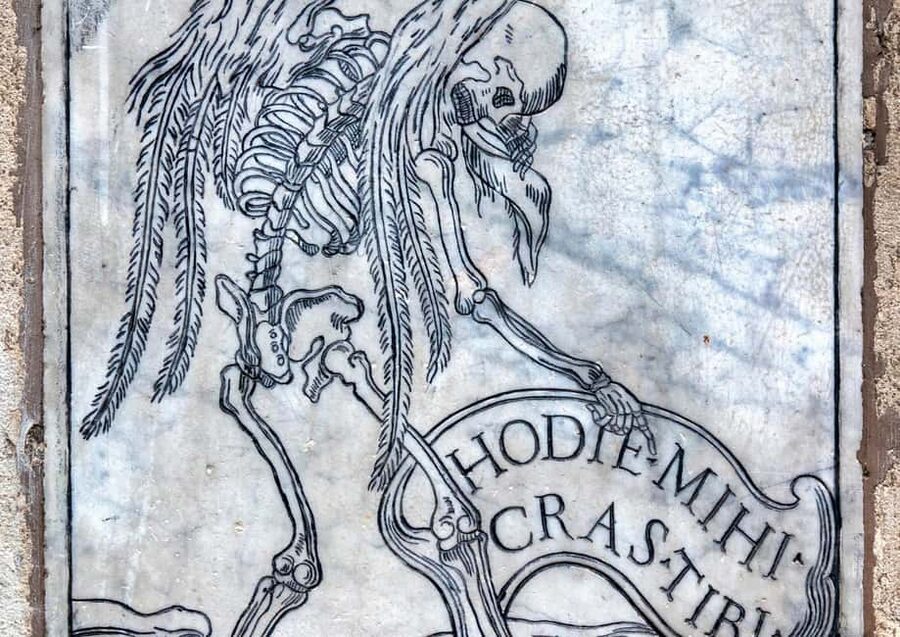
The Church of Santa Maria dell’Orazione e Morte offers the tour’s most direct visual encounter with death. Its Baroque façade includes carved skulls, and the church was connected with the care of nameless dead recovered from the Tiber.
The name itself points toward prayer and mortality. The decoration does not hide the subject. Skulls, bones, and macabre inscriptions make the message plain: death was part of public life, religious duty, and urban responsibility.
This stop is listed as a ten-minute photo stop, so do not expect a long interior visit. The church may be most useful as a backdrop for the guide’s explanation. You get the setting, the symbols, and the story, then continue.
For some people, this will be the strongest part of the route. For others, it may feel too grim, especially for children or anyone who prefers a lighter evening. The tour’s dark material is central to its character, so choose it because you want that mood, not despite it.
Via Giulia and the story of Aqua Tofana
Walking along Via Giulia gives the tour a change of scenery. This elegant street provides a calmer setting for the story of Giulia Tofana, the 17th-century poisoner associated with Aqua Tofana.
According to the tale presented on the walk, Tofana sold the lethal mixture to women seeking a way out of unhappy marriages. It is a disturbing story because it connects crime with the limited choices available to women in that period.
The guide does not need a dramatic prop or elaborate setting here. The smooth street and old buildings provide enough contrast. You are walking through an elegant part of Rome while hearing about betrayal, secrecy, and murder.
This is also where the tour’s balance becomes clear. Some stories are folklore. Others involve named people, documented punishments, and real social pressures. A good guide helps you understand the difference. Daniele was especially praised for correcting inconsistencies and explaining details carefully, a useful quality when stories have gathered extra layers over time.
Arco dei Banchi and the final food stop
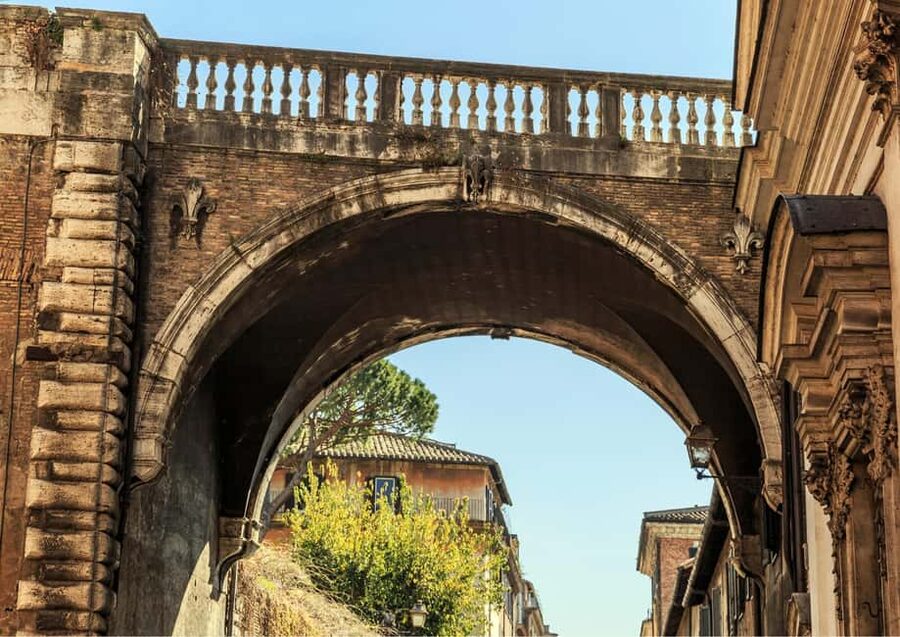
The route passes under Arco dei Banchi, a narrow passage once used by bankers, spies, and priests moving between the Vatican and the city without attracting notice.
The passage is easy to overlook, which is exactly why it works so well on this tour. You get a physical sense of Rome’s old shortcuts and private routes. This is not a grand monument. It is a small piece of urban design with a story attached.
After the darker material, the tour turns back to food. You receive ciambelline al vino, traditional biscuits made to pair with wine, along with a glass of wine. A beer is also included during the experience.
This tasting is more than a sweet finish. It gives you a simple Roman custom to remember and perhaps seek out again. It also softens the mood before the final story. The food stops are short, but they prevent the walk from becoming a nonstop series of executions, poisonings, and ghost legends.
Ponte Sant’Angelo and Mastro Titta
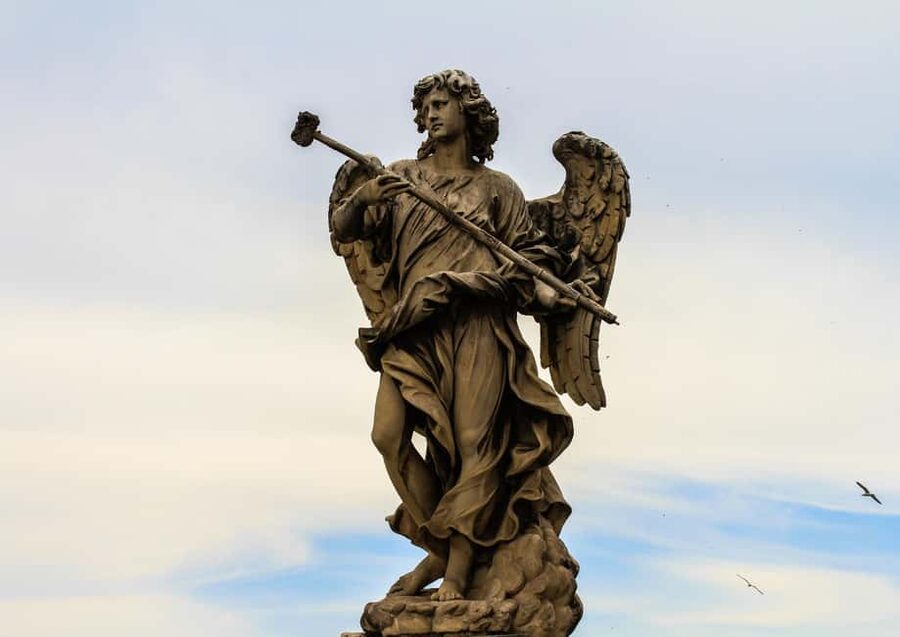
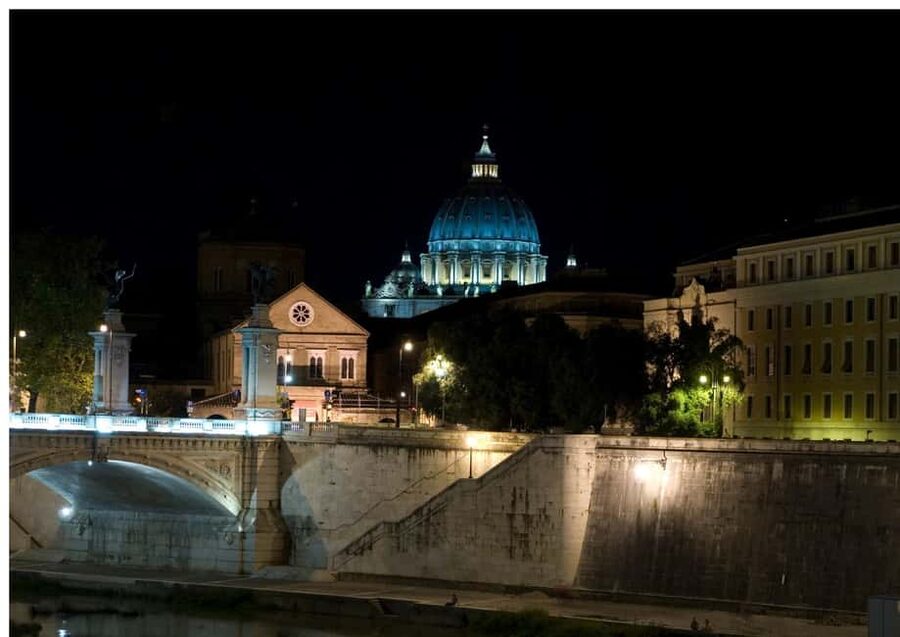
The route finishes near Ponte Sant’Angelo, with a photo stop of about five minutes. The setting provides a dramatic end point, especially as the evening darkens around the castle area.
The final story concerns Mastro Titta, Rome’s most notorious executioner. His work was gruesome, but the account also presents him as a more complicated figure than a simple villain. That complexity gives the ending some substance.
The walk finishes on Via del Banco di Santo Spirito, near Ponte Sant’Angelo. You are not returning to the starting point, so plan your evening from the finish rather than assuming a loop. The route is a city walk through central Rome, with stops rather than long periods inside buildings.
What $40 gets you
At $40 per person, the value depends on what you want from a Rome tour. You receive a two-hour guided walk, several food tastings, one beer, one glass of wine, and local sweets. You also get access to stories and small locations you might not notice on your own.
The strongest value is not the quantity of food. It is the combination of a live guide and a themed route. A self-guided walk could take you past Campo de’ Fiori, Via Giulia, and Ponte Sant’Angelo, but it would be harder to connect them through the stories of Bruno, Tofana, Mastro Titta, and the Golem.
The price is less compelling if you want extensive monument entry or a full dinner. The church is a short stop, and most locations are viewed from outside or along the street. Think of this as a storytelling walk with tastings, not a ticketed sightseeing tour.
Private and small-group options are available. A smaller group should make it easier to hear the guide in narrow streets and ask questions, while a private booking gives you a more personal pace. The advertised language choices are English, French, Spanish, and Portuguese.
You can cancel up to 24 hours ahead for a full refund, and reserve now while paying later. Starting times vary, so check availability before booking.
Who should book this walk
I would choose this tour if you like Rome’s lesser-known stories, enjoy walking at night, and want food built into the experience. It suits couples, friends, solo visitors, and curious first-time visitors who want something beyond the Colosseum and Trevi Fountain.
It is especially useful early in a trip. The route introduces several central areas, gives you a sense of how close Rome’s neighborhoods are, and offers a few food ideas to remember. Ruth’s experience points to this practical benefit: the tour can work well on your first evening.
You may want to skip it if you dislike macabre subjects, want long interior visits, or need a full meal. The walking distance is not provided, so anyone concerned about stamina should ask before booking. The tour also moves through public streets, where noise, crowds, or changing evening conditions can affect the atmosphere.
Should you book Rome Secrets?
Book it if you want story-first Rome, with a little pizza, wine, and mystery along the way. The best part is the guide-led connection between ordinary-looking corners and unusual episodes from the city’s past.
The experience earns its strong reputation through the people leading it. Simona, Daniele, Daniel, Sylvia, and others have been praised for warmth, humor, enthusiasm, and clear storytelling. Daniele’s background as an archaeologist adds a useful layer for anyone who wants more than spooky anecdotes.
I would not book it as a replacement for Rome’s major sights. I would book it as a two-hour evening companion to them, especially if you want a more personal look at Rome’s alleys, beliefs, crimes, and memories.
FAQ
Where does the tour start?
It starts at the Portico d’Ottavia, in front of the ruins of the porch.
Where does the tour finish?
The tour finishes on Via del Banco di Santo Spirito, near Ponte Sant’Angelo.
How long does the experience last?
The walking tour lasts two hours.
What food and drinks are included?
The experience includes Roman pizza, local sweets, one glass of beer, and one glass of wine. The route also features ciambelline al vino biscuits. Some recent tour descriptions refer to gelato, so check the current tasting details if that matters to you.
Which languages are available?
Guides are available in English, French, Spanish, and Portuguese.
Can I cancel or pay later?
You can cancel up to 24 hours in advance for a full refund. Reserve now and pay later is also available.
More history tours in Italy
- Tipsy Tour: Guided Bar Crawl In Florence with Dark History
★ 5.0 · 271 reviews - Savannah History and Haunts Candlelit Ghost Walking Tour
★ 5.0 · 3,235 reviews - Stockholm: Ghost Walk and Historical Tour
★ 4.7 · 2,685 reviews - New Orleans Small-Group Haunted History Carriage Tour
★ 4.5 · 2,289 reviews
Just added in Italy
- Venice: The Ghost & Legends Walking Tour★ 4.0 · 206 reviews
- Ghosts Legends and Mysteries of Rome Walking Tour★ 5.0 · 149 reviews
- Rome’s Dark Side Ghosts and Legends Tour★ 5.0 · 93 reviews
- Tipsy Tour: Guided Bar Crawl In Florence with Dark History★ 5.0 · 271 reviews
- Ghosts, Legends & Mysteries of Rome Tip-Based Walking Tour★ 4.7 · 284 reviews
- Rome: Small Group Rome’s Dark Side – Ghosts & Legends Tour★ 4.9 · 343 reviews
- Rome: Guided Bar Crawl with Drinks & Dark History★ 4.9 · 444 reviews
- Haunted Rome Ghost Night Walking Tour★ 5.0 · 495 reviews
Dark History & True Crime Tours, compared.
Adults-Only New Orleans Ghost, Crime, Voodoo, and Vampire Tour
Read our review →
Dark Secrets of the Old Town Ghost Walking Tour
Read our review →
New Orleans Adults-Only True Crime and Ghost Walking Tour
Read our review →
Genteel and Bard’s Savannah Dark History and Ghost Encounter Walking Tour
Read our review →
Buda Castle District Dark History, Legends and Vampire Night Tour
Read our review →

Edinburgh Ghost Tour: Mysteries, Legends and Murders
Read our review →Browse the lists this tour appears in