
Review · CATALONIA
Barcelona’s Dark History Walking Tour in El Raval
Barcelona’s El Raval is not a polished postcard neighborhood. Its narrow streets, old churches, former hospitals, political murals, and long-running bars reveal a city shaped by poverty, crime, religion, art, and reinvention. This two-hour walk takes you straight into that complicated past, including the chilling legend of the Vampiress of the Raval.
I like the mix of spooky stories and solid history. I also like that the route includes both major sights, such as the old Hospital de la Santa Creu, and street-level details, including graffiti and old cabarets. The main drawback is that the subject matter can be grim, so this is not the best choice if you want a gentle introduction to Barcelona.
Key points at a glance
- The Vampiress of the Raval: Hear the story of Barcelona’s most infamous alleged serial killer and visit the place linked to her past.
- A two-mile urban walk: Cover El Raval at a leisurely pace over about two hours.
- Art with a political edge: See Keith Haring’s AIDS mural near MACBA and changing street art by the Three Chimneys.
- Old Barcelona in one neighborhood: Visit Casa de la Misericordia, the Hospital de la Santa Creu, and Sant Pau del Camp.
- A historic drinking stop: Learn why Bar Marsella attracted artists such as Dalí, Gaudí, and Picasso.
- Practical booking terms: The tour costs $33, runs in English, accepts cancellations up to 24 hours before departure, and is wheelchair accessible.
Why El Raval makes such a good dark-history walk
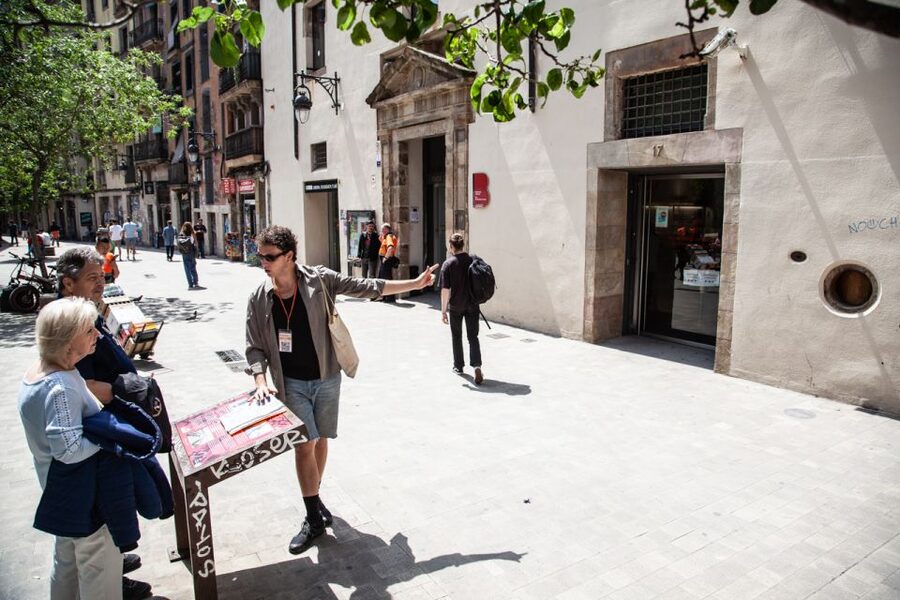
El Raval gives you a different Barcelona from the one found around Gaudí’s grandest buildings. The area sits just west of La Rambla, but its character changes quickly. You move from busy public squares into narrow medieval lanes, old religious buildings, rougher street scenes, and walls covered with political art.
The tour uses that setting well. Instead of treating dark history as a string of ghost stories, it connects unsettling tales to real buildings and social problems. You hear about abandoned children, historic hospitals, crime, cabarets, and changing neighborhoods. The stories are entertaining, but they also show how Barcelona’s institutions once dealt with poverty, illness, religion, and people living outside respectable society.
The strongest part is the contrast. A sinister local legend is followed by a discussion of public art. A centuries-old church is paired with a former industrial site now known for graffiti. That keeps the two hours from becoming a single parade of gloomy anecdotes.
The tone also depends on your guide. Andreas is described as balancing information with fun, while Owen, also identified as Eoghan, is known for a vivid, exciting storytelling style. If you enjoy history delivered with personality rather than a dry lecture, that matters.
More Dark History Tours in Spain
- Barcelona: Dark History Night Walking Tour
★ 4.8 · 344 reviews - Barcelona’s Dark History Night Tour
★ 5.0 · 181 reviews - Barcelona Dark History Night Walking Tour With Drinks
★ 5.0 · 153 reviews
Starting at Sant Pere Nolasc in Plaça de Castella
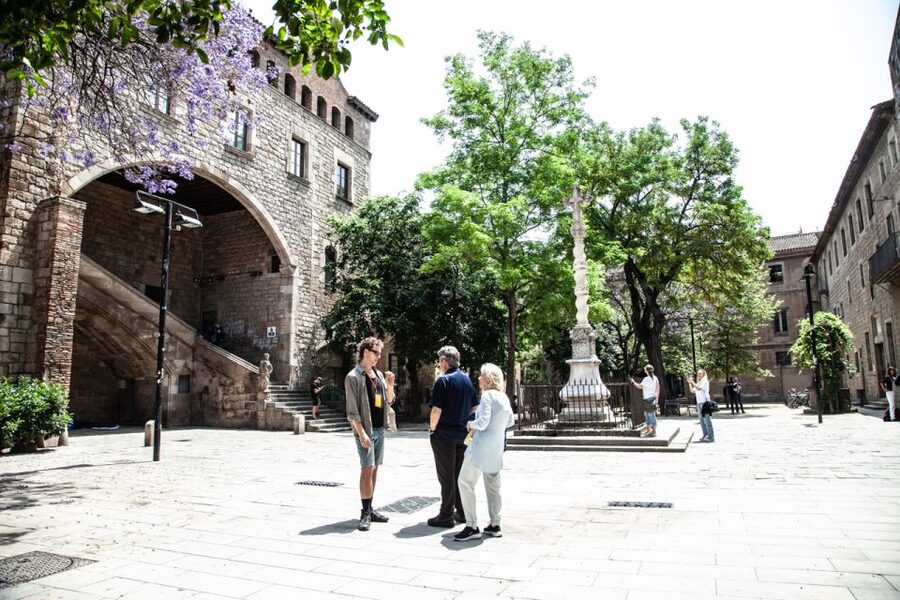
Meet your guide outside the Church of Sant Pere Nolasc Mercedaris, beside Plaça de Castella. The location puts you near the edge of El Raval, where the tour can quickly move from a busy square into the neighborhood’s older streets.
This is a useful starting point because you are not dropped into the middle of a complicated maze. You begin with a clear landmark, then gradually see how the area changes as the group walks south. Look for the guide outside the church rather than assuming the meeting point is inside.
The route covers about two miles at a leisurely pace. That is not a long distance, but the setting matters. El Raval has narrow streets, crowded sidewalks in some places, and frequent stops for stories. Wear comfortable shoes, and leave room in your schedule after the advertised two hours in case the group finishes a little later.
The tour is wheelchair accessible, which is helpful for many visitors. Still, an old neighborhood with medieval streets and historic buildings may feel less smooth than a modern museum route. If you need very specific access details, ask the operator before booking.
Casa de la Misericordia and the tour’s darkest opening
The first major stop is the Casa de la Misericordia, a former house of mercy. Its story centers on children who were abandoned and the institution that received them. The building also carries a ghostly reputation, with tales that some of those children still haunt its halls.
This opening sets the tone immediately. You are not starting with a broad lecture about Barcelona. You are standing beside a real institution and hearing how charity, religion, and hardship once met inside its walls.
The value here is the human scale. Grand churches can make history feel distant. A former house for abandoned children brings social history down to individual lives. The spooky stories add drama, but the serious subject underneath is how vulnerable children were treated in earlier Barcelona.
You should expect the guide to tell the story rather than take you through every interior room. The stop is presented as a guided visit and historical explanation, not as a full museum tour. That keeps the route moving, but it also means you should not book this walk expecting long indoor access at every stop.
Keith Haring’s mural beside MACBA
The route then moves through El Raval’s narrow streets toward MACBA, the Barcelona Museum of Contemporary Art. The museum is known for its striking modern architecture and the open space around it, which has become a favorite spot for skateboarders.
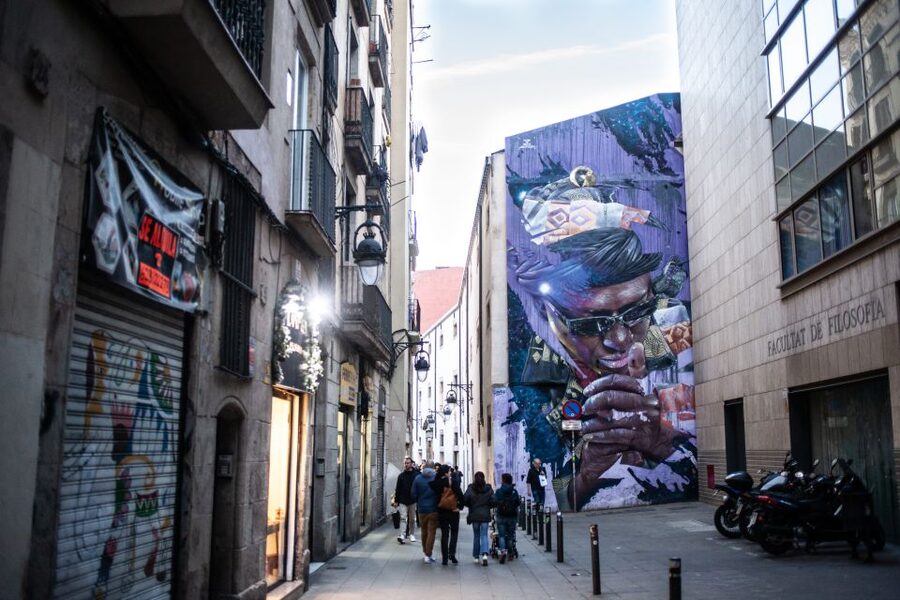
The more unusual stop is nearby: Keith Haring’s AIDS mural, also called MURAL DEL SIDA. Its simple stick figures and bright visual language can seem playful at first glance, but the message is political and urgent. The mural speaks to the AIDS crisis and to the public role of art in addressing fear, illness, and discrimination.
I like this part because it prevents the tour from treating the past as something sealed away in old stone. El Raval’s history is still being written on its walls. You move from religious and charitable institutions to contemporary art that comments on public life.
The mural is also a good reminder to pay attention between official stops. The guide points out the work and explains its meaning, while the neighborhood around it supplies the setting. MACBA’s plaza, the skaters, and the surrounding walls give you a sense of how art and daily life overlap here.
More Ghost Walking Tours in Spain
- Barcelona: Gothic Quarter Ghosts and Legends Walking Tour
★ 4.7 · 1,443 reviews - Barcelona El Raval Dark History Walking Tour
★ 5.0 · 70 reviews - Barcelona Ghosts of a Dark Past Gothic Walking Tour
★ 5.0 · 55 reviews - Barcelona: El Born Ghost Walking Tour.
★ 4.0 · 54 reviews
Joaquín Costa and the Vampiress of the Raval
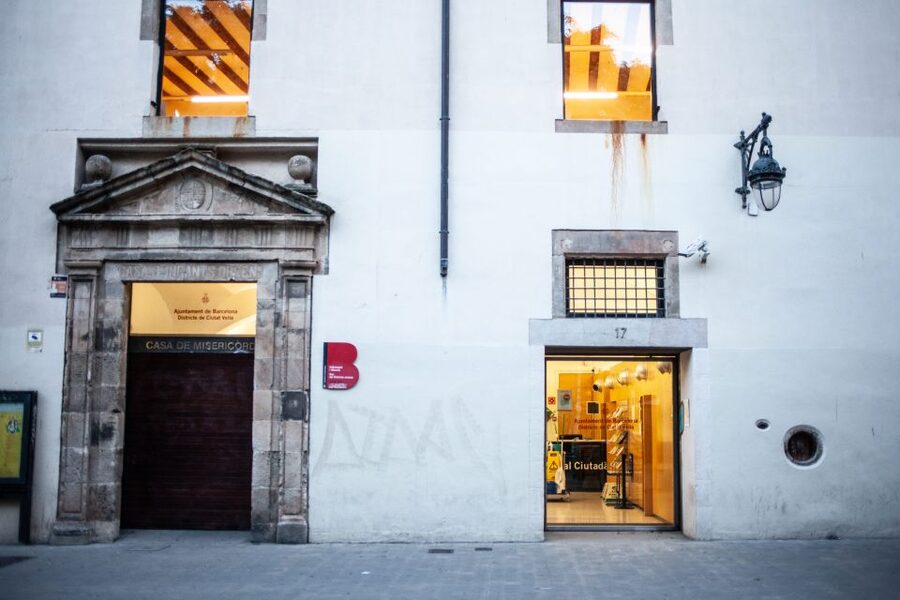
The stop around Carrer de Joaquín Costa brings the tour to its most famous macabre tale: the Vampiress of the Raval. The story concerns a notorious local figure linked to serial killings, and the walk visits the place where she once lived.
The vampire label is part of the legend, not a claim that you are meeting a supernatural creature. That distinction is important. The appeal comes from the way fact and folklore have blurred over time. The guide helps you sort out the setting, the reputation, and the stories that grew around the woman.
This is likely the section most suited to visitors who enjoy true crime, local legends, and old neighborhood gossip. It is also the section most likely to feel uncomfortable. The subject involves violence and vulnerable people, so the tone is darker than a typical city sightseeing walk.
The location itself gives the story weight. You are not hearing a random ghost tale in a generic plaza. You are connecting the story to a real street in the neighborhood. That sense of place is one reason a walking tour works better here than reading the same tale in a guidebook.
The old Hospital de la Santa Creu
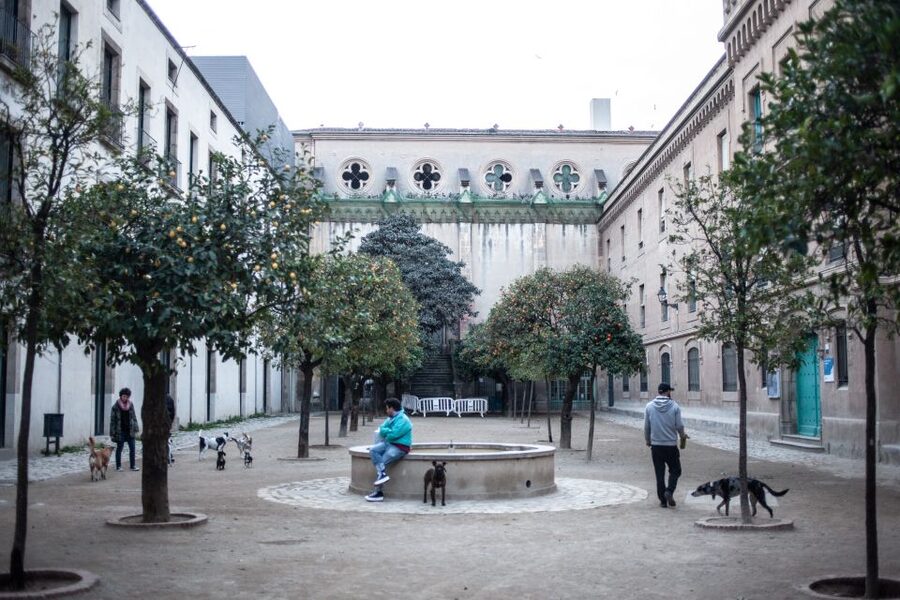
At the former Hospital de la Santa Creu, the focus broadens again. You walk through the old hospital grounds and its garden, a place connected to medicine, charity, and some of the city’s more macabre episodes.
The hospital is valuable for context. Barcelona’s older hospitals were not simply places for treatment in the modern sense. They were tied to religious institutions, social care, poverty, and death. The guide uses the site to explain a darker side of city life, including shows and spells with a macabre character that once took place there.
The grounds provide a change of pace after the tighter streets. You get a chance to look around, absorb the architecture, and connect the building to the institutions already discussed. The tour does not present Barcelona as a collection of pretty façades. It asks you to consider what happened inside them.
Do not expect a long, detailed hospital museum visit. This remains a walking tour, and the stop works mainly through the guide’s explanation and the atmosphere of the old site. That is a strength if you want a varied route. It may feel brief if you prefer extended time at each historic building.
Bar Marsella and Barcelona’s artistic drinking culture
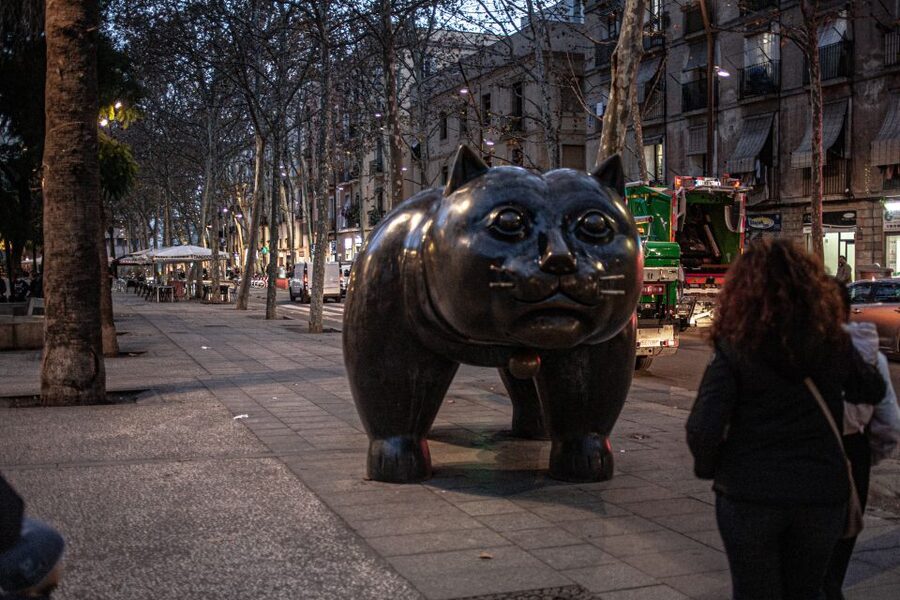
From the old hospital, the route continues toward La Rambla de Raval and Bar Marsella. This bar has been open for more than 200 years and is associated with famous creative figures, including Dalí, Gaudí, and Picasso.
The appeal is not simply that celebrated artists once drank there. Bar Marsella helps explain the social world around El Raval, where writers, artists, workers, nightlife figures, and outsiders crossed paths. The bar’s age makes it a useful bridge between the neighborhood’s darker past and its cultural life.
The stop is a guided visit or explanation, not a promise of a drink or a reserved table. The information provided does not include refreshments, so treat Bar Marsella as a historic point on the route rather than a bar stop included in the $33 price.
I like this balance. After stories of abandoned children, hospitals, and murder, you get a place connected to creativity and conversation. It shows that El Raval’s past is not only bleak. Its rough edges also helped create space for unconventional people and ideas.
Sant Pau del Camp, Barcelona’s oldest church
The next major landmark is Sant Pau del Camp, a Romanesque church more than 1,000 years old. It is described as Barcelona’s oldest church, and its age alone makes it an important stop.
The church also carries a troubled past and a local legend. That gives the guide another chance to connect architecture with storytelling. You are not simply looking at arches and stonework. You are hearing how a very old religious site became part of the neighborhood’s fears and memories.
This is one of the most rewarding stops for visitors who want older Barcelona. The Gothic Quarter receives much of the attention, but Sant Pau del Camp shows that the city’s story reaches further back than its most famous medieval lanes.
The church’s setting at the other end of the Rambla del Raval also helps you understand the route. You have crossed a large portion of the neighborhood, moving between old institutions, public art, nightlife history, and residential streets. The walk feels like a connected journey rather than a list of unrelated attractions.
The Three Chimneys and El Raval’s south side
The final section explores the south side of El Raval, once known for clubs, cabarets, and casinos. Some of those venues have survived into the modern era, and your guide points them out.
This part is useful because it adds nightlife to the neighborhood’s story. El Raval was not only a place of churches, hospitals, and poverty. It was also a district where entertainment, vice, and after-dark culture drew people in.
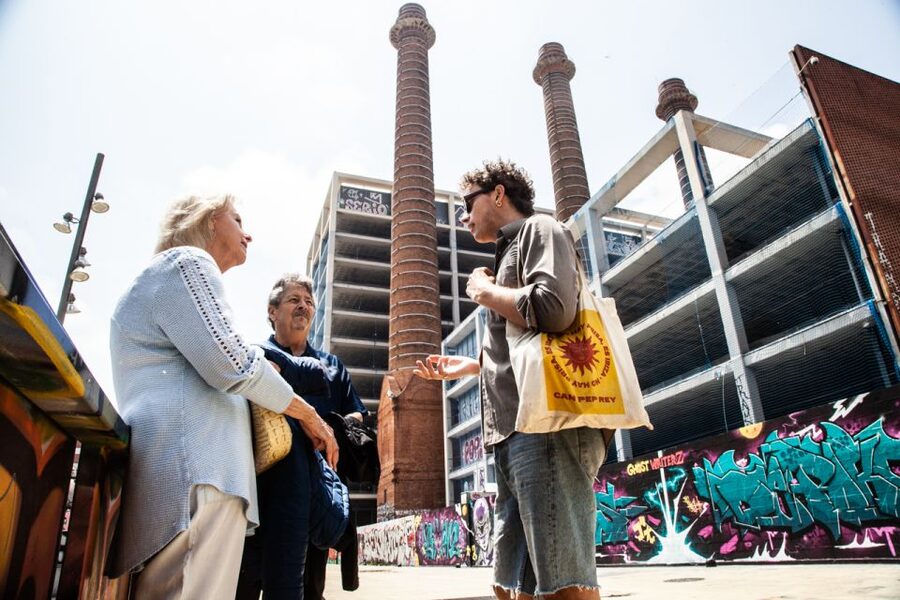
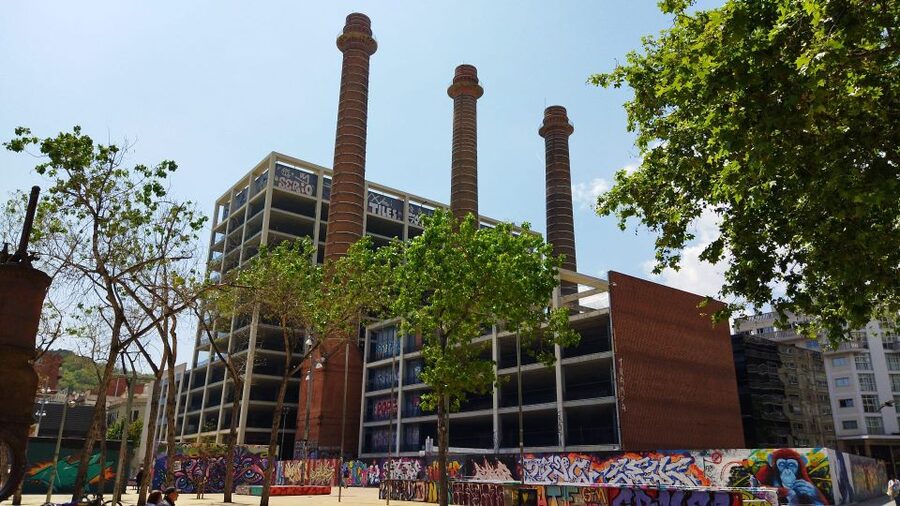
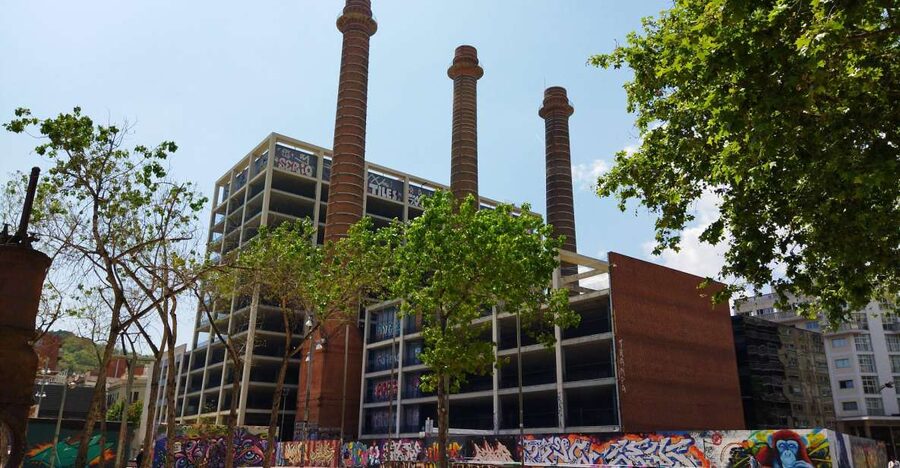
The route ends at the Jardins de les Tres Xemeneies, beside the former power factory and its three chimneys. The gardens are known for colorful graffiti that changes over time, and you might see artists working if the timing is right.
This is a fitting finish. The old industrial site and constantly changing street art bring you back to present-day El Raval. The tour begins with old institutions and legends, then finishes with art that is still being made. You see how the neighborhood keeps changing without losing its rough, creative character.
The published meeting information says the activity ends back at the meeting point, while the stop-by-stop route identifies the Jardins de les Tres Xemeneies as the finish. Confirm the exact end location with your guide at the start, especially if you have a timed reservation afterward.
What $33 gets you
At $33 per person, this is a fair price for a two-hour guided city walk, particularly because the route covers several distinct sites and the guide supplies the historical connections. You are paying for interpretation, not entry tickets or transportation.
The value depends on how you like to sightsee. If you want a polished tour of Barcelona’s famous monuments, this is not the right use of your money. If you want local stories, difficult history, public art, and a neighborhood you might not understand from a quick solo stroll, the price makes more sense.
The current rating is 4.8 from six ratings, with particular praise for the balance between information and fun and for vivid storytelling. Andreas received specific praise for making the material both interesting and entertaining, while Owen, or Eoghan, was noted for an exciting way of bringing historic locations to life.
Tips are not included. If the guide handles the grim subjects with care, keeps the group engaged, and gives you a better understanding of El Raval, a tip is an appropriate extra.
Who should book this walk
I would choose this tour if you enjoy urban history that includes uncomfortable subjects. It suits adults, older teenagers, fans of true crime and local legends, and anyone who wants to see a less polished side of Barcelona.
It also works well early in a Barcelona visit. The route gives you landmarks to revisit later, especially the old hospital, Sant Pau del Camp, Bar Marsella, and the MACBA area. It can help you read the city with more context for the rest of your stay.
I would hesitate if you dislike ghost stories, crime history, or discussions of poverty and abandoned children. The walk is also less suitable for anyone seeking a relaxed architecture tour with lots of time for photographs.
The tour runs rain or shine, so bring suitable clothing. If extreme weather forces a cancellation, a full refund is provided. You can cancel or reschedule for a full refund up to 24 hours before the start time, and the reserve-now, pay-later option keeps your plans flexible.
Should you book Barcelona’s Dark History Walking Tour?
Book it if you want Barcelona with the gloss removed. For $33, you get two hours of English-language storytelling, a manageable two-mile route, and a strong mix of old buildings, crime legend, public art, nightlife history, and changing street culture.
The best reason to go is the range. You can hear about the Vampiress of the Raval, study a politically charged Keith Haring mural, walk through an old hospital garden, learn about Sant Pau del Camp, and finish among graffiti-covered industrial remains.
Skip it if you want a light sightseeing stroll or a tour centered on famous architectural masterpieces. But if El Raval’s contradictions interest you, this is a practical, memorable way to understand the neighborhood beyond its reputation.
FAQ
How long does the Barcelona’s Dark History Walking Tour last?
The tour lasts two hours.
How far does the tour walk?
The route covers about two miles at a leisurely pace.
Where does the tour begin?
Meet your guide outside the Church of Sant Pere Nolasc Mercedaris in Plaça de Castella, Barcelona.
Where does the tour finish?
The stop-by-stop route identifies the Jardins de les Tres Xemeneies as the final stop. The meeting information also says the activity ends back at the meeting point, so confirm the exact end location with your guide.
What language is the tour conducted in?
The live tour guide speaks English.
Is the tour wheelchair accessible?
Yes, the activity is listed as wheelchair accessible.
Is anything included besides the guide?
The guided tour is included. Tips are not included, and the information provided does not list drinks, food, or admission tickets as included.
Can I cancel the tour for a refund?
Yes. You can cancel up to 24 hours before the tour starts for a full refund. The tour runs in rain, but if extreme weather causes the operator to cancel, you receive a full refund.
More Ghost Walking Tours in Barcelona
- Barcelona: El Born Ghost Walking Tour
★ 3.8 · 47 reviews - Barcelona: Ghosts of a Dark Past Walking Tour
★ 5.0 · 10 reviews - Walking Tour Mysteries and Legends of Barcelona and its Ghosts
★ 5.0 · 3 reviews - New Orleans Premier Ghost, Voodoo and Vampire Walking Tour
★ 4.5 · 12,856 reviews
More Dark History Tours in Barcelona
- Barcelona: Gothic Quarter Tour Dark History & Ghosts Tour
★ 4.8 · 64 reviews - Dark History and Legends Night Walk of Gothic Quarter
★ 5.0 · 2 reviews - Adults-Only New Orleans Ghost, Crime, Voodoo, and Vampire Tour
★ 5.0 · 6,545 reviews - Edinburgh: Dark Secrets of the Old Town Ghost Walking Tour
★ 4.6 · 1,671 reviews
Just added in Barcelona
- Dark History and Legends Night Walk of Gothic Quarter★ 5.0 · 2 reviews
- Walking Tour Mysteries and Legends of Barcelona and its Ghosts★ 5.0 · 3 reviews
- Witch Hunt on Montjuïc: Self-Guided Puzzle Quest in Barcelona★ 4.5 · 9 reviews
- Barcelona: El Born Ghost Walking Tour.★ 4.0 · 54 reviews
- The Gothic Trail – Ghosts of Barcelona Exploration Game★ 4.5 · 33 reviews
- Barcelona Ghosts and Legends Gothic Quarter Tour★ 5.0 · 152 reviews
- Barcelona Ghosts of a Dark Past Gothic Walking Tour★ 5.0 · 55 reviews
- Barcelona: Gothic Quarter Tour Dark History & Ghosts Tour★ 4.8 · 64 reviews
Dark History & True Crime Tours, compared.
Adults-Only New Orleans Ghost, Crime, Voodoo, and Vampire Tour
Read our review →
Dark Secrets of the Old Town Ghost Walking Tour
Read our review →
New Orleans Adults-Only True Crime and Ghost Walking Tour
Read our review →
Genteel and Bard’s Savannah Dark History and Ghost Encounter Walking Tour
Read our review →
Buda Castle District Dark History, Legends and Vampire Night Tour
Read our review →
Edinburgh Ghost Tour: Mysteries, Legends and Murders
Read our review →Browse the lists this tour appears in