
Review · ROME
Experience Rome in this Mysterious Ghost Tour
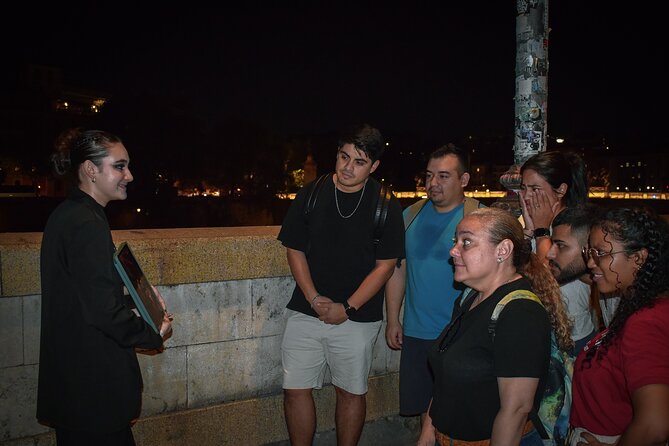
Rome’s darker stories begin at Castel Sant’Angelo, where an imperial tomb became a fortress, prison, and execution site. From there, this two-hour night walk threads through old streets, grim churches, cursed water, and public squares before ending at Campo de’ Fiori. It is less a ghost-hunting stunt than a guided look at the city’s crimes, punishments, legends, and lingering folklore.
I like the route’s strong historical setting and its small-group limit of 20 people. I also like the unusual subjects, especially Mastro Titta and Giulia Tofana, figures you will not meet on a standard Rome sightseeing walk. The main drawback is that most landmarks are viewed from outside because they are closed at night, so you should book this for storytelling and atmosphere, not for extensive interior visits.
Key points to know before booking
- Ten stops in two hours: Expect a brisk walk with short pauses rather than long visits at each site.
- A route through Rome’s grim past: Execution sites, a prison, an ossuary church, and Campo de’ Fiori shape the evening.
- Mostly exterior sightseeing: Many churches and historic buildings are closed when the tour arrives.
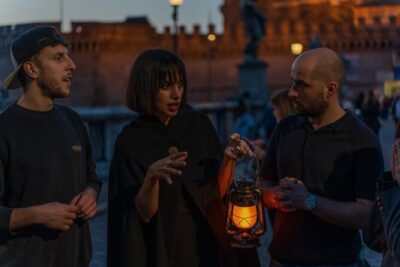
- English-speaking guide: The experience is conducted in English, and no guide name is provided in the available details.
- Best value for story lovers: At $23.95, the price is reasonable if you want context and atmosphere rather than admission to major monuments.
- Flexible cancellation: You receive a full refund if you cancel at least 24 hours before the start time, subject to the stated conditions.
Why this ghost walk works in Rome after dark
Rome is easy to admire in daylight. Marble temples, grand fountains, and famous piazzas do most of the work. At night, though, the city’s older stories come forward. A bridge becomes a place of tragedy, a church becomes a home for restless souls, and a public square recalls executions rather than aperitivo.
That change in mood is the main appeal here. You are not simply hearing a collection of spooky tales. You are following a route shaped by punishment, burial, poisoning, imprisonment, and political violence. The ghost stories give those subjects a theatrical edge, while the locations keep the walk tied to real places.
I would think of this as a history-and-folklore walk with a spooky theme. Some stories are presented as reported hauntings or local legends, not as proven events. That distinction matters if you prefer documented history. If you enjoy hearing how Rome has remembered its dead and feared its past, the mix should work well.
The route covers ten stops in about two hours. That means each pause is short, usually 10 to 15 minutes. You will need to keep moving, and you should not expect a long explanation at every site. The reward is variety: a fortress, execution ground, church, fountain, bridge, palace square, and open-air market area all appear in one evening.
More ghost tours in Rome
- Rome: Paranormal Night Walking Tour & Secret Backstreets
★ 4.9 · 1,921 reviews - Haunted Rome Ghost Tour – The Original
★ 4.5 · 668 reviews - Rome: Haunted City Night Walking Tour
★ 4.9 · 616 reviews
Starting at Castel Sant’Angelo and Ponte Sant’Angelo

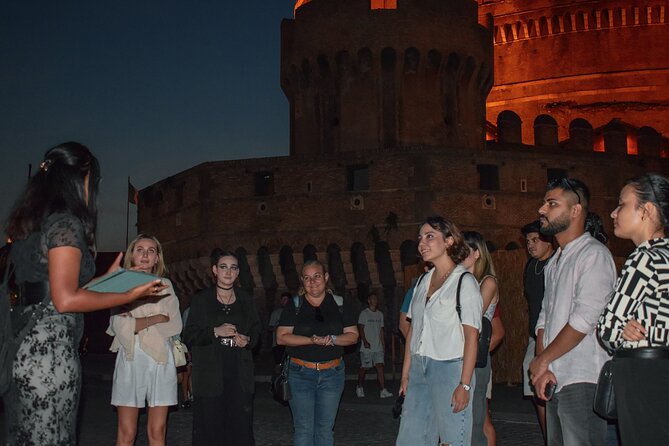
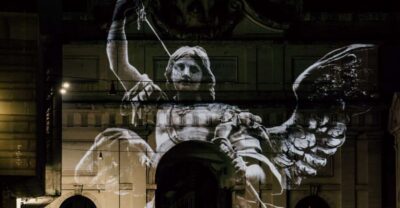
The meeting point is at St. Angelo Bridge, Ponte Sant’Angelo, near Castel Sant’Angelo. This is a practical start because the fortress gives the tour an immediate sense of age and drama. The building began as the mausoleum of Emperor Hadrian before changing roles over the centuries.
Its later life as a fortress, prison, and execution site supplies the first major ghost stories. You will hear about eerie sounds and sightings connected with the structure. The stop lasts about 15 minutes, and admission to the castle is not included.
That last point is important. This is an exterior introduction, not a visit through Castel Sant’Angelo’s rooms, passageways, or upper levels. If the fortress is high on your Rome wish list, plan a separate daytime visit. On this walk, the value comes from hearing how its uses changed and how those changes fed its darker reputation.
Ponte Sant’Angelo also helps you get your bearings. The tour begins beside the Tiber and later crosses another historic bridge, so the opening section feels like a gradual move from imperial Rome into the city’s more personal and unsettling stories.
Mastro Titta and the mechanics of execution
The next stop is Casa di Mastro Titta, associated with Rome’s most famous executioner. The pause is only about 10 minutes, but the subject is memorable. Mastro Titta carried out executions, and local stories place his ghost near the area, sometimes as a shadowy figure holding an axe.
This is one of the tour’s more distinctive stops. Many Rome walks focus on emperors, artists, popes, and fountains. Here, you are asked to consider the person who performed the city’s official punishments, along with the public fear surrounding his work.
Do not expect a museum or a clearly marked attraction with an entrance. Admission is not included, and the stop is best understood as a street-side explanation tied to the location. I find that limitation reasonable for a night walk, though the short visit means the guide must tell the story clearly and efficiently.
Via di Monserrato and the story of Giulia Tofana
Via di Monserrato introduces Giulia Tofana, one of the tour’s central figures. The story concerns Tofana’s Water, a mysterious poison linked to the deaths of more than 600 men. The tour uses this stop to explore who Giulia Tofana was and how her story became part of Rome’s darker folklore.
This subject adds a different kind of unease. Castel Sant’Angelo and Mastro Titta are tied to visible punishment. Tofana’s story centers on secrecy, domestic danger, and a substance whose reputation outgrew its simple name. It is a strong choice for anyone who enjoys crime history as much as ghost stories.
The stop is free and lasts about 10 minutes. There is no listed interior admission. You should expect the guide to use the street as a setting for the story rather than take you into a dedicated exhibit.
Same streets, a very different kind of fright:
- Haunted Rome Ghost Night Walking Tour
★ 5.0 · 495 reviews - Rome: Guided Bar Crawl with Drinks & Dark History
★ 4.9 · 444 reviews - Rome: Small Group Rome’s Dark Side – Ghosts & Legends Tour
★ 4.9 · 343 reviews - Ghosts, Legends & Mysteries of Rome Tip-Based Walking Tour
★ 4.7 · 284 reviews
Santa Maria in Monserrato degli Spagnoli
The church of Santa Maria in Monserrato degli Spagnoli brings the tour back to religious space and burial. Spanish nobles are buried within, and stories connect the church with whispering voices and fleeting shadows around its ornate tombs.
The church is especially useful to the tour’s mood because it combines beauty with unease. In Rome, grand decoration and death are often close neighbors. A church can be a place of prayer, art, burial, and legend at the same time.
Admission is not included, and the tour notes that most attractions are visited from outside because they are closed when the group arrives. That means you may hear about the tombs and the reported activity without getting a full look at the interior. If church interiors matter to you, return during opening hours.
The 10-minute stop keeps the evening moving, but it also limits detail. I would listen for the connection between the building, its burials, and the stories attached to them rather than expect a full art-history talk.
Regina Coeli and a sorrowful ghost story
Regina Coeli is presented as a notorious prison connected with Giulia Tofana. The story says she was held and executed there, and that her ghost appears as a sorrowful woman wandering the streets at night.
This section shifts the focus from an alleged poisoner to the consequences of imprisonment and execution. It also reinforces the tour’s repeated idea that Rome’s ghost stories grow out of actual places of confinement and death.
The stop is free and lasts about 10 minutes. The information does not indicate an interior prison visit, so you should expect an exterior explanation. That is typical of this experience, but it is worth keeping in mind when comparing it with a ticketed tour that enters historic buildings.
Santa Maria dell’Orazione e Morte
The church of Santa Maria dell’Orazione e Morte is the most overtly macabre stop. Its purpose was linked to the care of souls who died without proper burial, and its crypt contains skeletal remains. The ghosts in the story are connected with the people whose bones rest there.
This is likely to be the strongest match for serious ghost-story fans. The setting is not simply an old church with a rumor attached. Its dedication and burial role give the stop a direct connection to death, remembrance, and the fear of being forgotten.
The itinerary lists admission as included for this stop, but the tour also clearly warns that most attractions are closed at the time of the visit. I would confirm the current access conditions before booking if entering the crypt is essential to you. At minimum, the church remains an important exterior stop in the route.
The pause lasts about 15 minutes, giving the guide a little more time than at several other locations. You will want to pay attention here, since this is one of the few places where the physical setting and the subject matter align so closely.
Fontana del Mascherone and Rome’s cursed water
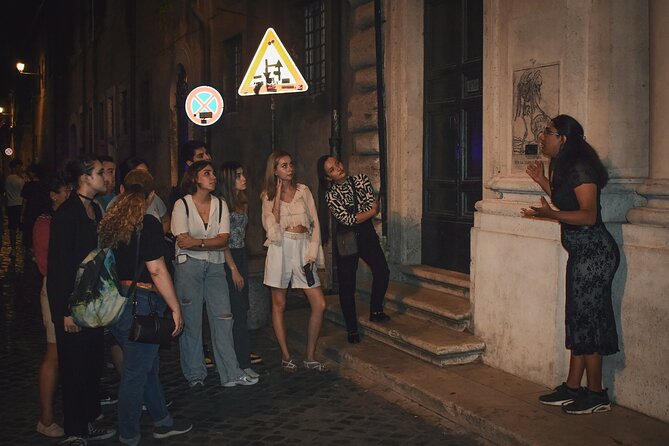
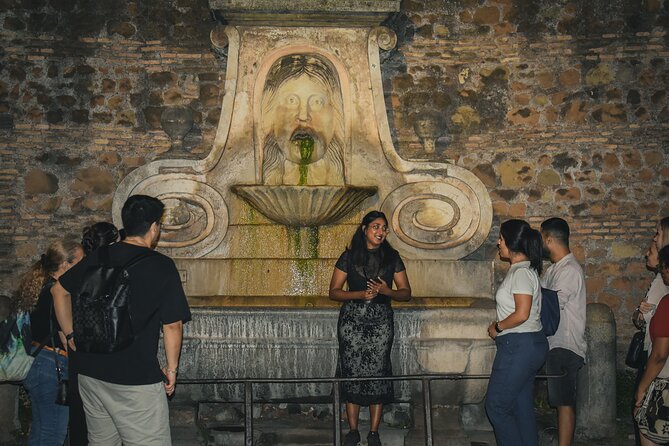
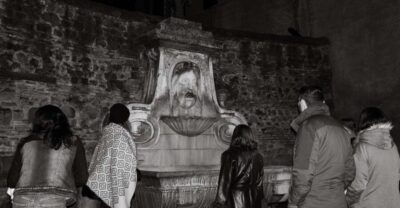
At Fontana del Mascherone, the tour turns to a grotesque mask and the stories attached to it. The fountain is said to be cursed, with misfortune following people who drank from it. Even if you treat the tale as folklore, the fountain’s design gives the story a fitting face.
This is a good example of how the walk uses ordinary city features. You do not need a castle or a cemetery for a spooky story. A fountain in a street can carry its own warning, especially when its decoration looks more stern than welcoming.
The stop lasts about 15 minutes and is free. There is no indication that you will drink from the fountain or enter a nearby attraction. You will pause, hear the legend, and move on. I like this kind of stop because it keeps the walk connected to the everyday streets of Rome rather than only to formal monuments.
Ponte Sisto and stories along the Tiber
Ponte Sisto carries the route across the Tiber. It has seen tragic events over the centuries, and local stories place lost souls on the bridge at night. The 10-minute stop gives the group a change of scenery and a chance to connect the city’s river with its darker tales.
Bridges naturally suit ghost stories. They are crossing points, edges, and places where people pass through without staying. Here, the river also gives the walk a visual break after several church and street stops.
Admission is free, and the bridge is experienced as part of the public route. You will not need a ticket or a separate entry. The practical issue is pace. Keep close to the guide, especially while crossing, because the tour is covering a lot of ground in a limited time.
Piazza Farnese and the spirits of the Farnese family
Piazza Farnese offers a grander setting. The square is associated with Palazzo Farnese, a Renaissance palace, and stories of ghostly appearances linked to members of the Farnese family. The tale centers on restless spirits and the uneasy memory of a powerful household.
This stop helps broaden the tour beyond prisons and executions. It shows how haunting stories can attach to wealth and status as well as suffering. The elegant surroundings may seem less frightening than the ossuary church or Mastro Titta’s execution site, but that contrast is part of the appeal.
The visit lasts about 10 minutes and is free. The tour does not include entrance to Palazzo Farnese. You will hear the story from the square, with the palace providing the setting. For a fuller look inside, you would need a separate arrangement.
Campo de’ Fiori and Giordano Bruno
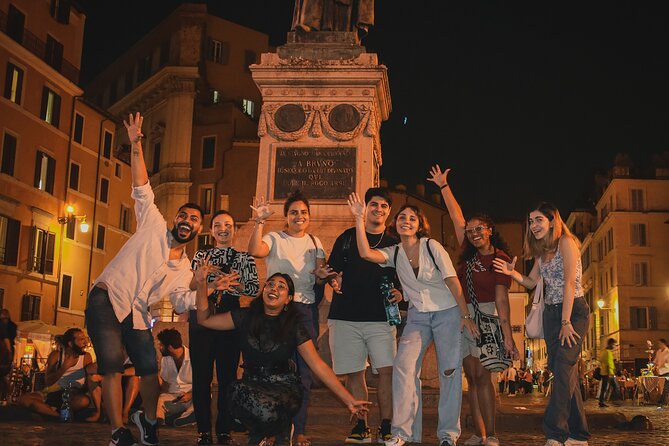
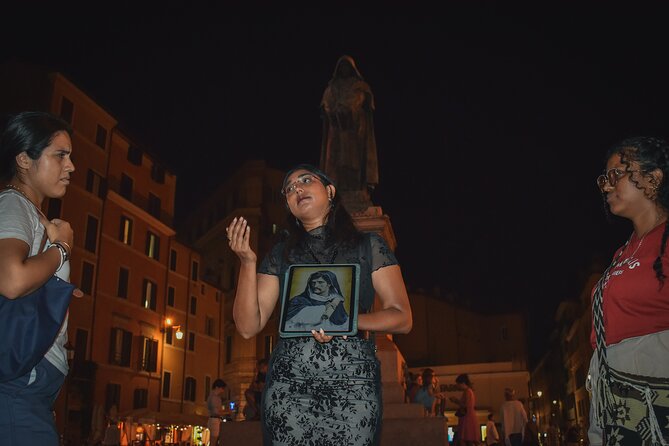
The final stop is Campo de’ Fiori, where the walk ends. This lively square once hosted public executions, and the best-known story here concerns Giordano Bruno, the philosopher burned at the stake. His ghost is said to remain nearby, with sightings connected to the statue and surrounding square.
Ending here makes sense. Campo de’ Fiori is one of Rome’s most active public spaces, yet its history includes a harsh reminder of how authorities once punished dissent. The contrast between the square’s present-day energy and its violent past gives the final story weight.
The stop lasts about 15 minutes and is free. The tour ends at Piazza Campo de’ Fiori, so you will finish in a central area with no return transport provided. Hotel pickup and drop-off are not included. You will need to make your own way back afterward.
Is $23.95 a fair price?
At $23.95 per person, I consider this a fair price for a two-hour guided walk, particularly if you want a themed introduction to central Rome at night. The English-speaking guide, route planning, and storytelling account for most of the value.
The price does not include entrance fees, food, drinks, or hotel transport. Since most locations are viewed from outside, you are not paying for a bundle of monument admissions. That keeps the cost down, but it also means the tour will not replace visits to Castel Sant’Angelo or Rome’s churches.
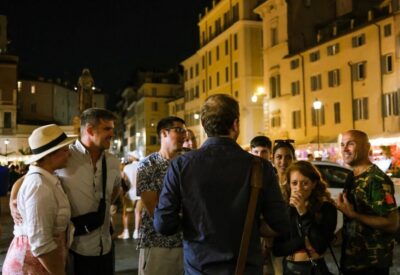
The maximum group size is 20 people. That is small enough to feel more personal than a large street procession, though the experience can still feel busy if everyone gathers around a narrow site. The tour is booked an average of 42 days in advance, so I would reserve ahead if your Rome dates are fixed.
The rating is 3.7 from three reviews, which is too small a sample to treat as a firm verdict. One available complaint came from a Spanish-speaking customer who was told shortly before departure that the guide spoke English and not Spanish. The practical lesson is simple: book this only if you are comfortable following an English-speaking guide, and confirm the language expectations before the start time.
Who should book this night walk?
I would choose this tour if you like Rome’s less polished stories, enjoy folklore alongside history, and want a guided evening walk without paying for a major attraction entrance. It suits adults and older children who can manage a moderate amount of walking and are comfortable with stories about executions, poisoning, prisons, and death.
It is also a good choice for a repeat visit to Rome. You may already know the famous monuments, but this route gives familiar streets a different frame. The tour is especially useful early in your stay, when a guide can help you understand the central neighborhoods before you return to them on your own.
I would skip it if you want substantial time inside churches, crypts, or Castel Sant’Angelo. I would also choose another experience if you need a Spanish-speaking guide, since the supplied information confirms an English-speaking guide and includes a complaint about language expectations.
Bring comfortable shoes and plan for a moderate level of fitness. Service animals are allowed, public transportation is nearby, and the mobile ticket makes entry simple. Since the tour takes place at night and covers many stops, arrive ready to walk rather than expecting long seated explanations.
Should you book it?
Book this ghost tour if you want Rome’s darker side in a compact evening route. The strongest parts are the unusual stories, the sequence of historic locations, and the way real punishment and burial practices feed the folklore.
Do not book it for interior access or a polished theatrical show. Most stops are outside, the pace is brisk, and the English-only format may not suit everyone. At $23.95, it offers solid value for an atmospheric history walk, as long as you understand that the guide’s stories, not monument entry, are the main event.
FAQ
How long does the Rome ghost tour last?
The tour lasts approximately two hours.
How much does the tour cost?
The listed price is $23.95 per person.
Where does the tour begin?
The meeting point is St. Angelo Bridge, Ponte Sant’Angelo, 00186 Rome.
Where does the tour end?
The tour ends at Campo de’ Fiori, also listed as Piazza Campo de’ Fiori.
Is the tour conducted in English?
Yes. The experience includes a professional English-speaking guide.
Are attraction entrance fees included?
No general attraction entrance fees are included. Most sites are visited from outside because they are closed when the tour arrives. The church of Santa Maria dell’Orazione e Morte is listed with admission included.
Can I cancel for a full refund?
Yes, if you cancel at least 24 hours before the experience start time. Cancellations within 24 hours are not refunded, and the tour may also be canceled if its minimum number of participants is not reached.
Just added in Rome
- Rome Secrets with Dark History and Tasty Bites Tour Experience★ 4.5 · 3 reviews
- Ghost & Legends in Night Rome Walking Tour★ 5.0 · 36 reviews
- Haunted Rome & True Crime: The Cenci Curse Game★ 4.5 · 27 reviews
- Ghosts and Crimes of Rome Night Walk★ 5.0 · 61 reviews
- Rome: Private Night Ghost Walking Tour★ 5.0 · 38 reviews
- Rome’s Dark Side: Ghosts, Scandals and Crypts – Small Group Tour★ 5.0 · 28 reviews
- Haunted Rome: Eternal City Night Walking Tour★ 5.0 · 38 reviews
- Rome After Dark Mysteries Myths and Haunted History★ 5.0 · 14 reviews
Rome Ghost Tours, compared.
Paranormal Night Walking Tour & Secret Backstreets
Read our review →

Small Group Rome’s Dark Side – Ghosts & Legends Tour
Read our review →
Ghosts, Legends & Mysteries of Rome Tip-Based Walking Tour
Read our review →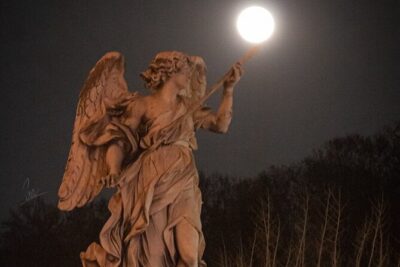
Browse the lists this tour appears in