
Review · ROME
Haunted Rome Ghost Night Walking Tour
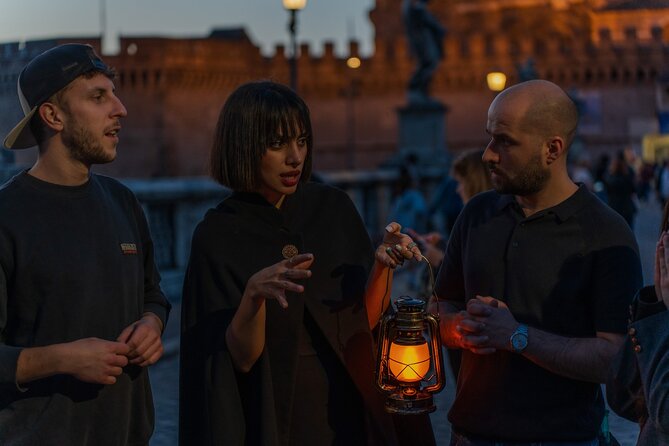
Rome’s darker side is not hidden in a remote crypt. It is written across its squares, bridges, churches, and quiet lanes. This night walk begins at Campo de’ Fiori, once an execution ground, and follows a trail of crime, scandal, betrayal, and death to Castel Sant’Angelo.
I like two things right away: the night setting, which takes you away from the daytime heat and crowds, and the way the tour uses ordinary streets to tell extraordinary stories. I also like that guides such as Ana, Youssef, Domenica, Antonio, and Sarah bring their own style to the walk. The main thing to know is that this is dark Roman history more than a theatrical ghost show. If you expect costumes, jump scares, or special effects, the quieter approach may feel mild.
Key points about the Haunted Rome walk
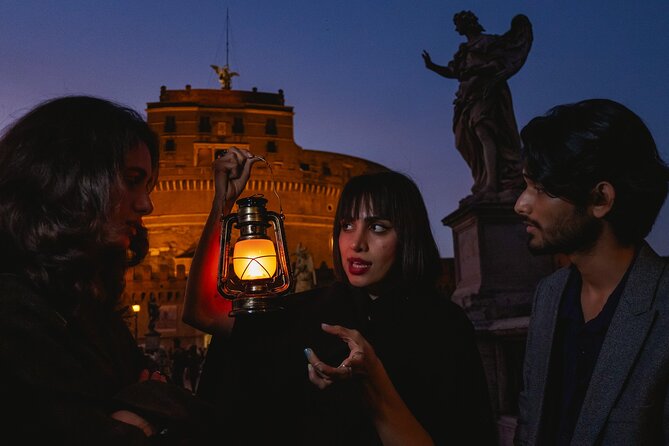
- Eleven atmospheric stops connect Campo de’ Fiori with Castel Sant’Angelo in about two hours.
- The stories center on executions, prisons, scandals, suspicious deaths, and religious legends.
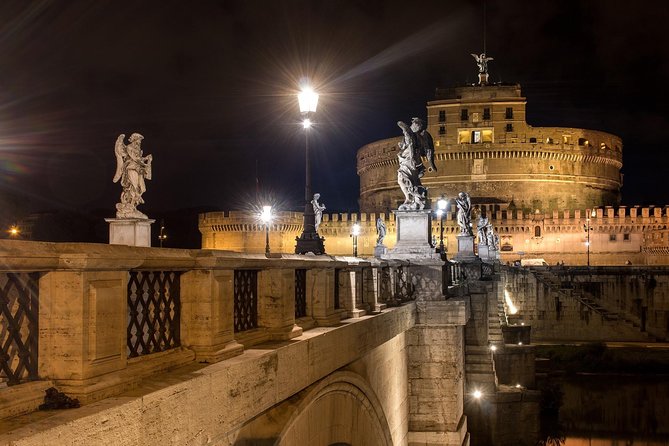
- Campo de’ Fiori and Ponte Sant’Angelo provide especially strong settings after sunset.
- The hidden Madonnas along Via del Mascherone and Vicolo dei Venti add a small, human detail to the darker tales.
- Groups are capped at 20 people, though one review found a larger-feeling group hard to hear.
- The $35.07 price is fair for a guided evening walk through central Rome, especially if you value stories more than admission-based attractions.
Why this is not a standard ghost tour

You begin in Campo de’ Fiori, a square known today for restaurants, bars, and evening activity. Its earlier life was far less cheerful. The square was used for executions, making it a fitting place to start a walk about Rome’s crimes and punishments.
From there, the route moves through central streets that you might otherwise pass without noticing. The guide points out details on walls, churches, bridges, and old buildings, then connects them to stories of power, revenge, religion, and fatal mistakes.
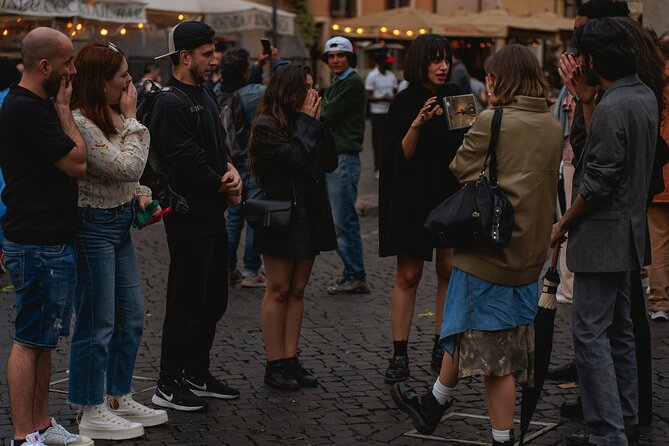
The tone depends partly on your guide. Ana is praised for energy, humor, and strong storytelling. Youssef is known for mixing dark history with a light touch, while Domenica has a lively style and takes time with questions. Other guides named in the feedback include Antonio, Dinara, Dina, Anna, Maham, Sarah, Simon, and Dominica.
That variety matters. You are not getting a recorded script delivered in exactly the same way every night. You are getting a live guide who may make the experience more serious, more comic, or more conversational.
More Ghost Walking Tours in Italy
- Rome: Paranormal Night Walking Tour & Secret Backstreets
★ 4.9 · 1,921 reviews - Rome: Haunted City Night Walking Tour
★ 4.9 · 616 reviews - Ghosts, Legends & Mysteries of Rome Tip-Based Walking Tour
★ 4.7 · 284 reviews
Campo de’ Fiori and Piazza Farnese: executions and papal scandal
The first stop, Campo de’ Fiori, is short, about ten minutes, but it sets the mood. You learn why a square filled with evening activity once carried the grim business of public execution. The contrast is part of the appeal. Rome regularly places the pleasant and the disturbing side by side.
The next stop is Piazza Farnese, another handsome square with an unsettling past. The story here involves a former party center, a secret passageway, and two popes. It is a good early example of the tour’s style: use a beautiful setting, then explain the power struggles and private behavior that unfolded behind it.
These opening stops also help you get your bearings. The walk does not rush straight into a long lecture. Each location receives roughly ten minutes, enough time for a story and a look around without asking you to stand still for too long.
The little Madonnas along Via del Mascherone
On Via del Mascherone and Vicolo dei Venti, the focus shifts from grand crimes to small religious images. The guide points out madonelles, or little Madonnas, placed around the streets of Rome.
Their purpose was not simply decoration. The tour explains how these images were thought to help stop crime. This is one of the most distinctive parts of the walk because it asks you to look closely at the city rather than only at famous monuments.
I would pay attention here. Several people who enjoyed the tour remembered the little Madonnas and continued looking for them during the rest of their stay. That is a useful sign of a good walking tour: it changes what you notice after the guide has gone.
Ponte Sisto and Fontana del Mascherone
Ponte Sisto is described as Rome’s oldest bridge, and the tour uses it as a place to discuss accidents, theft, political struggles, and suspicious deaths. Bridges have always made useful settings for stories of danger. They are public spaces, but they can also become bottlenecks, escape routes, or places where bodies and secrets are exposed.
The bridge also gives the walk a change of pace. You are no longer only moving through squares and narrow lanes. You are crossing a major route with the city around you, hearing about the darker events connected with it.
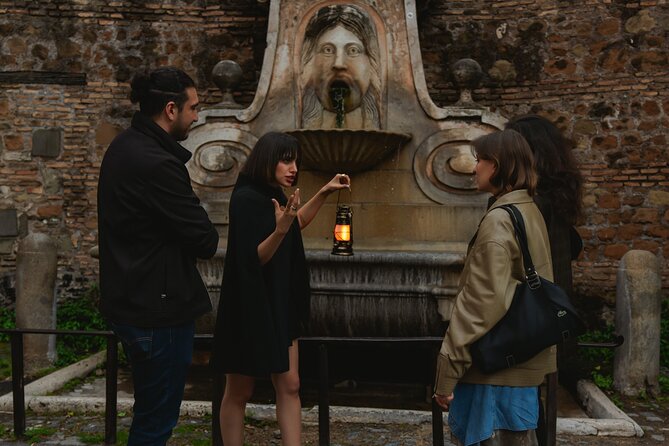
Nearby, Fontana del Mascherone offers a more unusual story. Unlike Rome’s many fountains that invite admiration or refreshment, this one carries a warning to anyone tempted to drink from it. The detail is memorable because it is practical, strange, and easy to miss if you are exploring on your own.
More Ghost Walking Tours in Rome
- Ghosts Legends and Mysteries of Rome Walking Tour
★ 5.0 · 149 reviews
Santa Maria dell’Orazione e Morte and the reminder of mortality
The Church of Santa Maria dell’Orazione e Morte brings the tour’s subject into sharper focus. This seventeenth-century church is associated with human remains, giving the stop a direct and unsettling connection to death.
You should not expect a long interior visit based on the information provided. The route is an outdoor walking tour, and the stops are brief. Still, the church gives the guide a strong setting for explaining how Roman religious life dealt with death and remembrance.
This stop may appeal most to people who enjoy history with a serious edge. It is less about proving that a ghost exists and more about understanding how earlier Romans lived with public reminders of mortality.
Via di Monserrato and the Spanish church
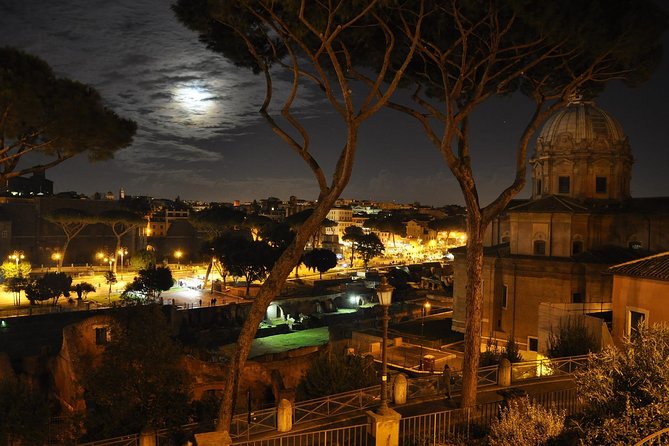
Via di Monserrato brings another shift in mood. A building now described as a haunted apartment block once marked one of Rome’s worst prisons. The story gives you a sense of how the city’s streets have changed use over time. An ordinary residential building can sit on a site connected to misery, confinement, and fear.
The nearby Church of Santa Maria in Monserrato degli Spagnoli supplies a more scandalous tale. The church is tied to a saucy story with enough betrayal and emotion for a television drama. It is a useful reminder that the tour is not all grim punishment. Romance, jealousy, reputation, and religious power also play their part.
This stretch is especially good for people who have already seen Rome’s major churches and monuments. You are still looking at historic places, but the guide directs your attention toward stories that a standard sightseeing route usually leaves out.
Via Giulia and the danger of beauty products
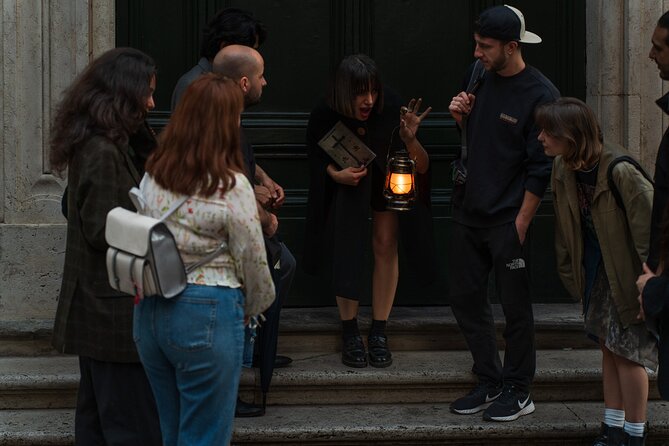
Via Giulia is another place where the present appearance hides a darker past. The route includes a former bar that had earlier been used as a beauty shop. Here you hear how cosmetics could turn deadly.
That story fits the tour well because it is both intimate and unsettling. Large events can feel distant. A tale about beauty products, trust, and death feels closer to everyday life. It also shows the wide range of material covered during the walk, from public executions to private wrongdoing.
The stop is not built around a famous monument. That is its value. You are encouraged to notice the old street itself and the layers of use beneath the modern city.
Mastro Titta and the road to Castel Sant’Angelo
On Via dell’Arco dei Banchi, the guide points out a seemingly ordinary house connected with Mastro Titta, Rome’s most famous executioner. This is one of the tour’s clearest links back to Campo de’ Fiori and the theme of public punishment.
The house gives the story a personal address. Instead of hearing only about an abstract system of justice, you connect that system with a named person and a particular building. It is the kind of detail that can make a later stroll through the area more interesting.
The final stop is Castel Sant’Angelo. The route ends near the castle, not with a ticketed visit inside it. The bridge leading to the castle once served as a place to display the bodies of executed people as a warning to others. Today, the bridge is lined with angels, creating one of the tour’s strongest visual contrasts.
The guide also tells the story of the Cenci family and their fatal end. This gives the finale a family tragedy rather than a simple ghost tale. By the time you reach Castel Sant’Angelo, the walk has moved from public executions and political intrigue to personal revenge and loss.
Ending here is practical, too. You can continue your evening around the castle or make your way onward through central Rome. The finish is not in an isolated area, and the final setting gives you a memorable place to pause after the stories.
What the $35.07 price gets you
At $35.07 per person, the tour sits in a reasonable range for a two-hour guided walk in central Rome. You are not paying for museum entry or transport. You are paying for a guide who links 11 locations and explains details you are unlikely to absorb from a map alone.
The value is strongest if you enjoy storytelling, local history, and night walks. You see a good amount of central Rome without spending the evening in a formal attraction. The route also covers places that may not appear on a first-time sightseeing list.
A private upgrade is available if you want more personal attention. A private walk should suit couples, families, or small groups that prefer a slower pace and more questions. The standard tour allows up to 20 people, which keeps it relatively limited, though the actual experience can still depend on where you stand and how clearly the guide speaks.
One important point came up in the feedback: road noise and group chatter made a guide difficult to hear on one occasion. The tour provider may want to consider audio equipment for larger groups. If you have trouble hearing, position yourself near the guide and avoid drifting toward the back.
Who will enjoy this night walk most
I would recommend it to you if you have already seen the Colosseum, the Vatican, and the main fountains, and now want a different way to understand Rome. It is also a fine choice for a first evening because it introduces central streets while giving you a clear theme to follow.
Families with older children and teenagers can enjoy it. The stories are spooky, but the experience is not built around sudden scares. Children aged 11 and 13 were able to stay engaged, and the style works for different comfort levels with frightening material.
History fans will likely get the most from it, especially if you enjoy stories of crime, religious belief, old prisons, executions, and political power. It also suits people who like walking after dinner and want something more purposeful than simply wandering.
You may want another experience if you want elaborate acting, costumes, props, or strong supernatural claims. One description of the walk called it a pleasant talk with a guide in ordinary clothes, focused on misdeeds and injustice. That is not a criticism if you want substance. It is simply a useful expectation to set.
Wear comfortable shoes. The route lasts about two hours and includes many short stops. In colder months, bring warm layers. The walk is outdoors, and an umbrella may help in wet weather. One guide, Youssef, was even noted for sharing his umbrella, but you should not plan your packing around that sort of rescue.
The tour is offered in English and is near public transportation. Confirmation is provided when you book, and most people can participate. You can cancel for a full refund up to 24 hours before the start time. After that point, changes and refunds are not accepted.
Should you book the Haunted Rome Ghost Night Walking Tour?
Book it if you want Rome’s human stories of fear and wrongdoing more than a staged ghost performance. The route is well chosen, the price is fair, and the end at Castel Sant’Angelo gives the evening a strong finish.
I would be especially inclined to book it early in your stay. The walk introduces side streets, little Madonnas, old churches, and lesser-known stories that can shape the rest of your time in Rome. You may find yourself noticing details that would otherwise pass unseen.
Skip it if you dislike outdoor walking, have difficulty following a guide in street noise, or need a highly theatrical experience. For everyone else, this is a smart evening outing with a darker view of a city that has never been short on drama.
FAQ
How long does the Haunted Rome Ghost Night Walking Tour last?
The tour lasts approximately two hours.
Where does the tour begin?
It begins at Piazza Campo de’ Fiori in Rome.
Where does the tour end?
The tour ends by Castel Sant’Angelo on Lungotevere Castello.
What language is the tour offered in?
The tour is offered in English.
How much does the tour cost?
The listed price is $35.07 per person.
How many people can join the group?
The group can include a maximum of 20 people.
Is this a traditional ghost tour with theatrical effects?
The experience focuses mainly on the darker history of Rome, including executions, crimes, scandals, prisons, and suspicious deaths. It is less theatrical than some ghost tours.
Which places are visited?
The route includes Campo de’ Fiori, Piazza Farnese, Via del Mascherone, Vicolo dei Venti, Ponte Sisto, Fontana del Mascherone, Santa Maria dell’Orazione e Morte, Via di Monserrato, Santa Maria in Monserrato degli Spagnoli, Via Giulia, Via dell’Arco dei Banchi, and Castel Sant’Angelo.
Is a private tour available?
Yes. You can upgrade to a private tour for a more personal experience.
Can I cancel for a full refund?
Yes. You must cancel at least 24 hours before the scheduled start time to receive a full refund. Cancellations or changes made less than 24 hours before the start are not accepted.
More evening outings in Italy
- Haunted Evening Horse and Carriage Tour of Charleston
★ 4.5 · 3,678 reviews - Edinburgh: Evening Underground Ghost Tour
★ 4.4 · 3,092 reviews - Prague: Ghosts and Legends of the Old Town Evening Tour
★ 4.5 · 3,091 reviews - Ghosts of Charleston Night-Time Walking Tour with Unitarian Church Graveyard
★ 4.5 · 2,835 reviews
Just added in Italy
- Venice: The Ghost & Legends Walking Tour★ 4.0 · 206 reviews
- Ghosts Legends and Mysteries of Rome Walking Tour★ 5.0 · 149 reviews
- Rome Secrets: Dark History & Tasty Bites Tour★ 5.0 · 37 reviews
- Rome’s Dark Side Ghosts and Legends Tour★ 5.0 · 93 reviews
- Tipsy Tour: Guided Bar Crawl In Florence with Dark History★ 5.0 · 271 reviews
- Ghosts, Legends & Mysteries of Rome Tip-Based Walking Tour★ 4.7 · 284 reviews
- Rome: Small Group Rome’s Dark Side – Ghosts & Legends Tour★ 4.9 · 343 reviews
- Rome: Guided Bar Crawl with Drinks & Dark History★ 4.9 · 444 reviews
Ghost Walking Tours, compared.
New Orleans Premier Ghost, Voodoo and Vampire Walking Tour
Read our review →

Ghost Walking Tour Where Legends Come To Life
Read our review →
Savannah History and Haunts Candlelit Ghost Walking Tour
Read our review →
Ghosts of Charleston Night-Time Walking Tour with Unitarian Church Graveyard
Read our review →
New Orleans Haunted Ghost, Voodoo & Vampire Walking Tour
Read our review →Browse the lists this tour appears in