
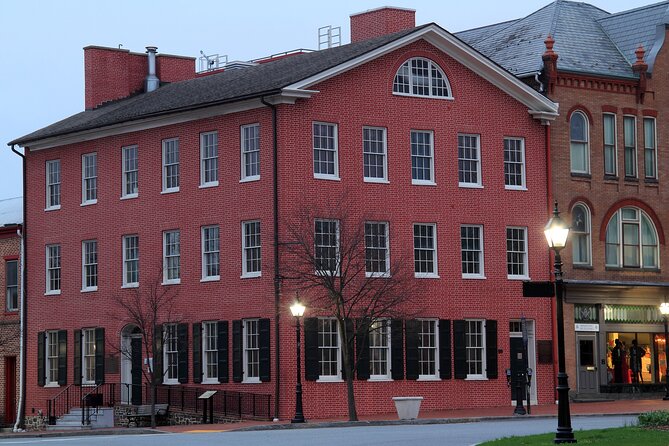
Review · GETTYSBURG
Echoes of War All Ages Ghost Tour
Gettysburg’s ghost stories work best when they begin with real people, and this tour does just that. Over about 90 minutes, you walk from Lincoln Square to the Farnsworth House Inn, hearing about soldiers, residents, and the young people caught in the Battle of Gettysburg. The ghosts are the hook, but the town’s wartime story is the real subject.
I like the way the route links Civil War history with local lives, rather than treating the town as a parade of spooky buildings. I also like the family-friendly tone: guides such as Major Finn, Allie, Allison, Ted, and Captain have been praised for lively storytelling, humor, and strong energy.
The main consideration is that this is a walking tour, not a haunted-house attraction. You cover the full 90 minutes on foot, and the ghost stories may feel mild if you want serious scares or hard historical proof at every stop.
Key points to know before you book
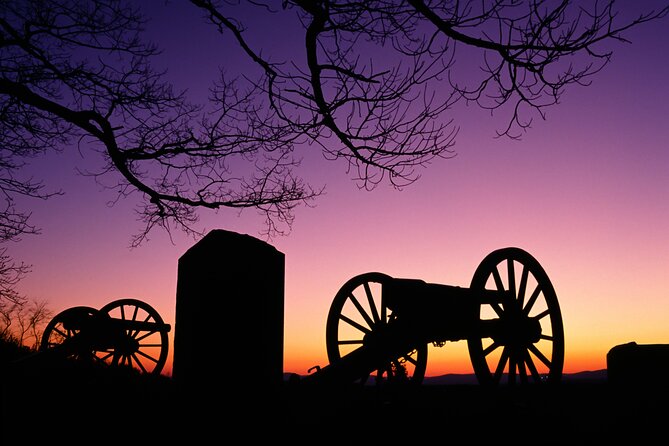
- Eight stops in Gettysburg’s historic center: The route includes the Wills House, Hotel Gettysburg, Tillie Pierce House, Shriver House, Jennie Wade House, and Farnsworth House.
- A gentle scare level: The stories are meant to entertain children and adults, with families reporting that even younger children found the tour manageable.
- Guides make a big difference: Major Finn, Allie, Allison, Ted, and Captain are among the guides praised for lively delivery and strong storytelling.
- A useful first look at town history: You hear about Lincoln, the battle, civilian life, hospitals, snipers, and the people who died here.
- Plan for 90 minutes of walking: The tour is listed for a maximum of 25 people, so it is more personal than a huge group outing.
- Good value for a focused evening activity: At $29.99 per person, you get a guided walk through several important sites without paying admission to each museum.
Why the ghost stories begin with Gettysburg’s people
Gettysburg can feel like one large battlefield memorial, but the town itself has a human story that is easy to miss. During the battle, homes became hospitals, hotels filled with wounded men, and ordinary residents faced violence in their own streets. This tour uses ghost tales to bring that civilian experience into view.
That approach suits you if you want more than a list of battlefield dates. The guide connects each stop to a person or event, then explains why the building is said to be haunted. You may hear about soldiers who died far from home, townspeople who endured the fighting, and spirits believed to remain near places tied to their final days.
The tour is not presented as a formal military lesson. It gives you an overview of the Battle of Gettysburg while moving through the historic center, adding enough context to make the buildings meaningful. If you already know the battle in detail, the value lies more in the local stories and ghost legends than in new battlefield analysis.
More ghost tours in the USA
- New Orleans Premier Ghost, Voodoo and Vampire Walking Tour
★ 4.5 · 12,856 reviews - Chicago: Gangsters and Ghosts Walking Tour
★ 5.0 · 7,155 reviews - Adults-Only New Orleans Ghost, Crime, Voodoo, and Vampire Tour
★ 5.0 · 6,545 reviews
Starting at Lincoln Square and the Wills House
The meeting point is listed as 10 Lincoln Square, at the Ghost City Tours of Gettysburg storefront. The opening introduction takes about six minutes, giving the guide a chance to explain the evening and set the tone.
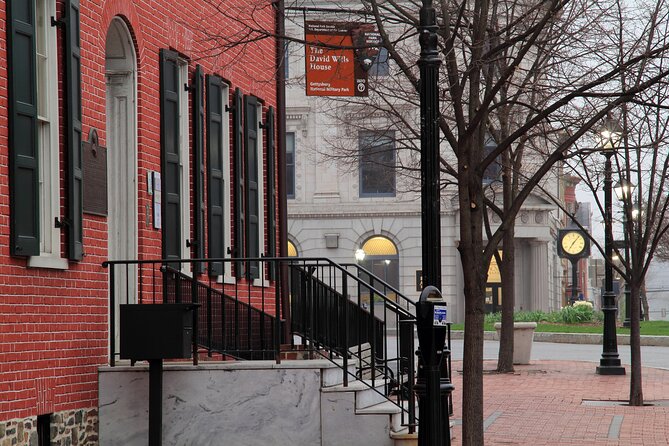
From there, you head to the Abraham Lincoln statue near the Wills House. The stop is brief, about 10 minutes, but it places you at one of the town’s best-known historic points. The statue gives the group a clear reference point, while the nearby David Wills House carries the stronger story.
At the Wills House, you learn about Abraham Lincoln’s connection to Gettysburg and the famous address he completed there. This is a useful early stop because it shifts the focus from battlefield action to the political and emotional meaning of the town after the fighting.
You should not expect to tour the interior as part of this experience. The attraction is the guide’s account of what happened at the building and the stories attached to it. That makes the stop work well for a short walking tour, though anyone wanting a full museum visit will need to arrange that separately.
Hotel Gettysburg and the town caught in war
The next stop is Hotel Gettysburg, a building that was present during the battle and is linked to several haunted tales. The stop lasts about 12 minutes.
This is one of the tour’s useful reminders that Gettysburg was not an empty stage built for soldiers. A hotel meant for ordinary town life suddenly existed in the middle of a major battle. Places like this help you picture how quickly daily routines were overtaken by fear, confusion, and death.
The ghost angle gives the guide room to tell stories about what may have happened inside and around the building. Keep your expectations sensible. You are hearing local legends, not receiving a scientific investigation, and the experience does not promise physical evidence at every stop.
That balance matters. Some people will enjoy watching windows and dark corners for signs of a presence. Others will prefer the historical setting and storytelling. The tour can satisfy both, as long as you treat the supernatural claims as part of Gettysburg’s folklore.
Tillie Pierce House and a teenager’s wartime courage
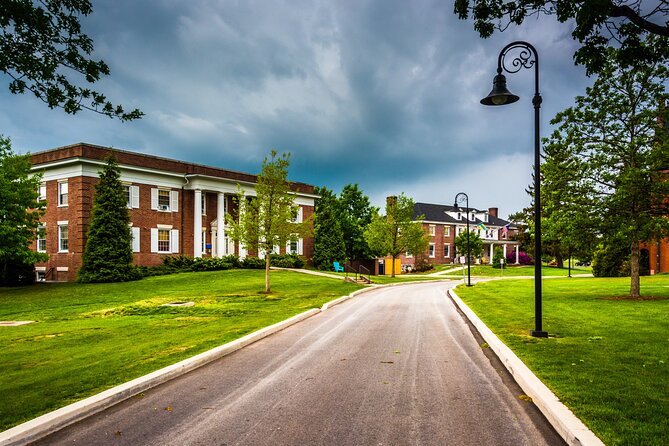
The Tillie Pierce House Inn is one of the most human stops on the route. Here, the guide discusses Tillie Pierce, a 15-year-old girl who endured the Battle of Gettysburg.
Her story gives the tour a needed change of scale. Instead of focusing only on famous leaders or large troop movements, you hear about a young person living through events far beyond her control. This is the kind of story that can hold a child’s attention while also giving adults a sharper sense of what the battle meant for local families.
The stop lasts about 12 minutes. It is also one of the places where you may hear about unusual images or possible apparitions. One family reported seeing a woman’s face in a photograph taken at Jennie Wade’s house, though you should regard such moments as personal experiences rather than guaranteed features of the tour.
That is the right way to approach the evening: bring curiosity, not a promise that your camera will capture a ghost. The guide supplies the story and the setting. What you make of the darker details is up to you.
Same streets, a very different kind of fright:
- Salem’s Best Ghost Tour
★ 4.5 · 4,186 reviews - Haunted Evening Horse and Carriage Tour of Charleston
★ 4.5 · 3,678 reviews - New Orleans Adults-Only Ghost, Voodoo and Vampire Tour
★ 5.0 · 3,291 reviews - Savannah History and Haunts Candlelit Ghost Walking Tour
★ 5.0 · 3,235 reviews
Shriver House, from family home to Confederate hospital
The Shriver House Museum was built in 1860 for George Washington Shriver and his family. Its story changed sharply when the Civil War reached Gettysburg. During the battle, the house was used as a Confederate hospital and a sniper nest.
This is one of the strongest historical stops because the building’s purpose changed so dramatically. A family home became part of the machinery of war. The guide uses that change to explain the violence that entered ordinary rooms and affected people who had not chosen to be soldiers.
You get about 12 minutes here. The tour does not include admission to the museum, so you should not confuse the outdoor discussion with a full interior visit. Still, hearing the story on the street helps you decide if you want to return later for a museum visit.
For families, this stop may be more sobering than spooky. The subject involves wounded and dying soldiers, hospitals, and the damage caused by battle. Parents should decide if that tone suits their children, even though the tour is advertised for all ages and many families found it suitable for younger children.
Jennie Wade House and the civilian cost of battle
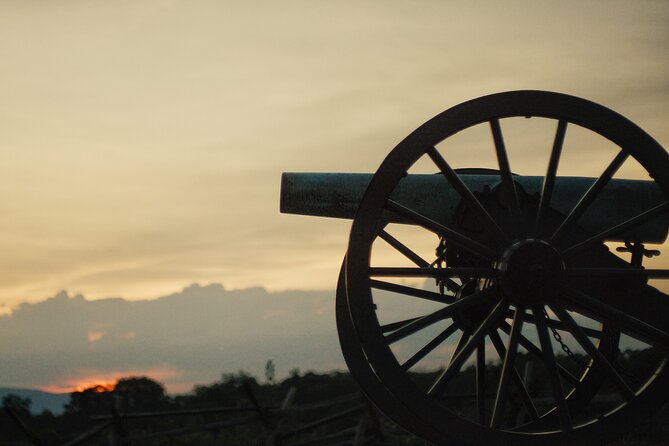
The Jennie Wade House is associated with the only civilian casualty of the Civil War, according to the tour’s presentation. That claim gives the stop a strong emotional center.
Jennie Wade’s story helps explain why Gettysburg’s civilian experience matters. The battle was not confined to fields outside town. Residents remained in their homes, moved through streets under fire, and faced danger simply because fighting had reached their community.
This stop lasts about 12 minutes. Admission to the house is not included, so the tour focuses on the story and exterior setting rather than a paid interior visit.
It is also one of the locations where the ghost element may feel most immediate. You might find yourself looking at windows, taking photographs, or listening for details from the guide. Some people have reported unusual images, but the tour cannot promise that you will see an apparition.
The best reason to value this stop is not the possibility of a photograph. It is the reminder that military history has a civilian price. That idea gives the ghost stories more weight.
Farnsworth House Inn and the final cluster of spirits
The final stop is the Farnsworth House Inn, which was said to have seen more action during the battle than any other house in the city. The building is also associated with 16 spirits.
That number gives the guide plenty to work with, and the stop often serves as the tour’s most theatrical finish. After hearing about soldiers, residents, hospitals, and civilian deaths, you arrive at a building tied to many layers of wartime activity.
The walk ends at 401 Baltimore Street, though the starting location may change if the route changes. You should check the meeting instructions close to departure and avoid assuming that the ending point is also where you began.
Admission to the Farnsworth House is not included. The benefit here is seeing the setting and hearing its stories as part of the walking route. If you want to explore the inn in greater detail, plan a separate visit rather than expecting this tour to include an interior tour.
What the guides add to the experience
The guide is the biggest variable in a storytelling tour. The strongest accounts of this experience single out guides such as Major Finn, sometimes called Major Flynn, along with Allie or Allison, Ted, and Captain. They are praised for animated delivery, humor, energy, and the ability to explain historical details without turning the evening into a classroom lecture.
Major Finn is especially associated with a lively presentation and vivid storytelling. A good guide can make you picture Gettysburg’s streets during the battle, then shift naturally into the ghost tale connected to the same building.
You should also allow for variation. One poor experience can affect the whole evening if the guide struggles with presentation or historical details. The tour company says it researches its stories with local historians, but the supernatural material remains legend, and different guides may tell it with different emphasis.
The group size is capped at 25 people. That is small enough for a guide to keep the group together, though you should stay close at street crossings and crowded points. One family specifically appreciated that the guide did not leave anyone behind during the full 1.5-hour walk.
Is $29.99 a fair price?
At $29.99 per person, this is not the cheapest way to hear about Gettysburg, but it offers a clear bundle of value. You get about 90 minutes with a guide, eight stops, a town history overview, and ghost stories tied to actual buildings.
You are not paying for museum entry at the Hotel Gettysburg, Jennie Wade House, or Farnsworth House Inn. That keeps the price from covering attractions you may not want to visit, but it also means you should budget separately if you plan to tour interiors.
I consider the price fair for a first evening in town, especially if you want an activity that works for mixed ages. It is less compelling if you want a serious paranormal investigation, a detailed battlefield study, or long interior visits.
The mobile ticket makes arrival simple, and confirmation is provided at booking. Free cancellation is available up to 24 hours before the start time. Poor weather or failure to meet the minimum group size can lead to a new date, another experience, or a full refund.
Who should book this Gettysburg ghost walk?
I would choose this tour for families with older children, couples who like local legends, and first-time visitors who want a quick orientation to Gettysburg’s historic center. The tone is spooky but not extreme, and the historical material gives the walk substance even if you are not convinced by ghosts.
It also works well after a day focused on the battlefield. The tour shows you the town itself, where homes, hotels, and shops carried the effects of war. You get a different angle on Gettysburg without committing to another long excursion.
You should think twice if walking for 90 minutes is difficult. The tour calls for moderate physical fitness, and there is no suggestion that transportation is provided between stops. Wear comfortable shoes and dress for the weather.
Final verdict: a good family introduction to haunted Gettysburg
Book the Echoes of War All Ages Ghost Tour if you want a short, story-driven walk that combines Civil War context with gentle supernatural tales. Its strongest points are the route through important town buildings, the focus on civilians, and guides such as Major Finn and Allie who bring real energy to the evening.
Skip it if you want guaranteed ghost sightings, museum admissions, or a highly technical account of the battle. For most families and first-time visitors, though, $29.99 buys a useful and entertaining 90-minute introduction to Gettysburg after dark.
FAQ
How long is the Echoes of War All Ages Ghost Tour?
The tour lasts approximately 1 hour and 30 minutes. The full experience is on foot and includes several stops in Gettysburg’s historic center.
Where does the tour begin?
The listed starting point is the Ghost City Tours of Gettysburg storefront at 10 Lincoln Square, Gettysburg, Pennsylvania. The starting location may change depending on the route.
Where does the tour end?
The listed ending point is the Farnsworth House Inn at 401 Baltimore Street, Gettysburg, Pennsylvania.
Is the tour suitable for children?
Yes. The tour is designed for all ages, and the ghost stories are intended to entertain children and adults. The material includes Civil War deaths, hospitals, and civilian casualties, so parents should consider what suits their children.
Are admission tickets to the historic houses included?
No. The tour includes the guided ghost walk, but admission is not included for locations such as Hotel Gettysburg, Jennie Wade House, Shriver House Museum, or Farnsworth House Inn.
Can I cancel for a full refund?
Yes. You can cancel at least 24 hours before the experience start time for a full refund. Cancellations or changes made within 24 hours are not refunded, and poor weather or an unmet minimum group size may lead to a new date or full refund.
Just added in the USA
- Dreaded Dead Descent of the District: DC Ghost Tour★ 4.2 · 186 reviews
- Phantoms of the Potomac: Old Town Alexandria Ghost Tour★ 4.0 · 56 reviews
- Alexandria Ghosts Spirits & Spirits Haunted Pub Crawl★ 5.0 · 26 reviews
- Haunted Alexandria Booze and Boos Ghost Walking Tour★ 5.0 · 157 reviews
- Ghost and Graveyard Tour★ 5.0 · 187 reviews
- Tombstone Ghost Tours: Ghosts and Gunslingers of the Wild West★ 4.5 · 147 reviews
- The Dead Men’s Tales Walking Ghost Tour in Tombstone★ 4.5 · 123 reviews
- Haunted Tampa Booze and Boos Ghost Walking Tour – Ybor City★ 4.5 · 147 reviews
Gettysburg Ghost Tours, compared.
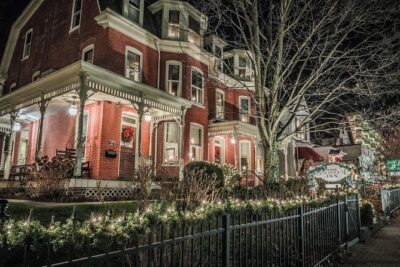
Civil War Ghosts: Echoes of the Fallen Gettysburg Ghost Tour
Read our review →
Civil War Ghosts: Echoes of the Fallen Gettysburg Ghost Tour
Read our review →
Ghost Tour: History and Haunts – Family Friendly – Best in Gettysburg
Read our review →
Spirits of Jennie Wade Ghost Night Tour in Gettysburg
Read our review →

The Historic Welty House Ghost Hunt with Equipment
Read our review →Browse the lists this tour appears in