
Review · GETTYSBURG
Civil War Ghosts: Echoes of the Fallen Gettysburg Ghost Tour
Gettysburg’s ghost stories work best when you first understand the violence that created them. This one-hour walking tour links Civil War sites with tales of snipers, wounded soldiers, orphaned children, and civilians caught in the battle. You get history with the chills, not a haunted-house production.
I like the compact route through central Gettysburg, and I like that guides such as Amber, Richard, Linda, Jim, and Michala have been praised for clear storytelling and solid historical detail. The main drawback is simple: you stay outside. If you expect to enter the old homes or investigate paranormal activity firsthand, this tour may feel more like a history walk with ghost stories.
Key points to know before you book
- Eight central stops: The route includes the Brickhouse Inn, Witness Tree, Farnsworth House, East Cemetery Hill, Jennie Wade House, Rupp House, and other sites along Baltimore Street.
- History comes first: Civil War events and civilian hardships receive as much attention as the supernatural tales.
- Outdoor-only format: The tour does not take you inside the homes, inns, or museums.
- About one hour: The advertised length is approximately 60 minutes, though some outings have run closer to 90 minutes or included extra stops.
- $32 is fair for a short guided walk: You are paying for a local storyteller, researched accounts, and a central route, not admission to historic interiors.
- Plan for evening walking: Wear comfortable shoes, arrive ready to stand, and do not park in the Brickhouse Inn lot.
Gettysburg after dark, with the battle still close
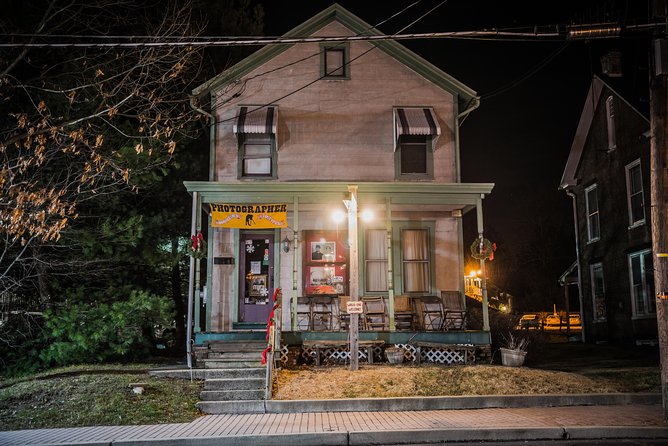
Gettysburg can feel almost too peaceful for its past. The streets are lined with old buildings, restaurants, inns, and museums, yet the Battle of Gettysburg brought enormous violence into this small Pennsylvania town. The ghost tour uses that contrast well.
You follow a guide from the meeting point at 452 Baltimore Street to a series of places tied to wartime deaths and later tragedies. At each stop, the guide explains what happened there, then connects those events to reported apparitions, sounds, shadows, or lingering presences.
That order matters. The tour is more effective when the human story comes first. A tale about a ghostly figure means more when you know who lived, fought, suffered, or died at the site.
The guides have different styles. Amber has been praised for passionate storytelling and an especially theatrical presentation. Richard has been noted for balancing humor, history, and supernatural material. Linda has used photographs on her phone to add visual detail, while Michala has been praised for speaking clearly and walking at a manageable pace.
You should not expect every guide to deliver the same performance. One account describes a guide who spoke too softly, and another found the presentation too basic. That variation is worth keeping in mind, especially if you have taken polished ghost tours in other cities.
More ghost tours in the USA
- New Orleans Premier Ghost, Voodoo and Vampire Walking Tour
★ 4.5 · 12,856 reviews - Chicago: Gangsters and Ghosts Walking Tour
★ 5.0 · 7,155 reviews - Adults-Only New Orleans Ghost, Crime, Voodoo, and Vampire Tour
★ 5.0 · 6,545 reviews
The Brickhouse Inn and the first wartime shadows
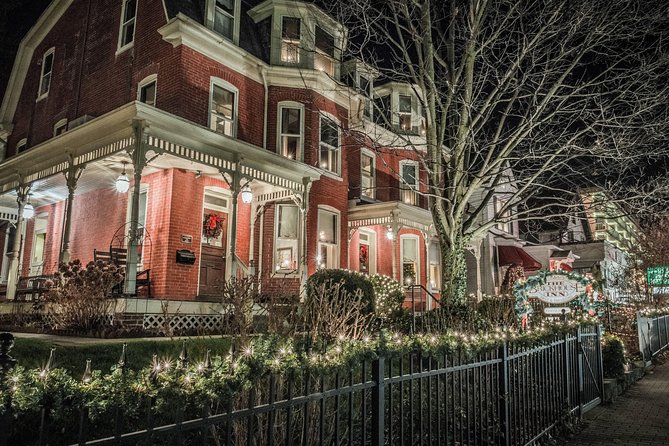
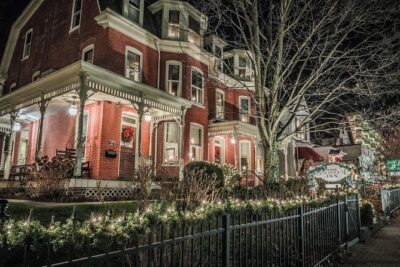
The Brickhouse Inn, formerly known as the Old Welty House, is the first stop. During the battle, Confederate sharpshooters used the second floor and attic as a firing position. That detail immediately gives the tour a strong sense of place: you are not hearing a generic ghost story about an old building, but a story tied to soldiers using the house during active combat.
The reported hauntings center on those Confederate soldiers. Their presence is said to linger in the inn, a fitting idea for a place that offered a view over the fighting and was caught up in the battle’s danger.
You will view the building from outside rather than enter. The stop lasts about seven minutes, enough time for a concise account but not a full architectural tour. If you want to spend time inside the inn, you will need to arrange a separate stay or visit, if available.
A practical warning matters here: do not park in the Brickhouse Inn parking lot. It is reserved for overnight guests, and vehicles may be towed. Use the main street or side streets behind the inn instead.
The Witness Tree and echoes along Baltimore Street
The Witness Tree is a quieter stop. Located along Baltimore Street, this old tree is linked to the fighting that took place during the battle. The story suggests that the tree has absorbed the memory of the conflict, with whispers sometimes attributed to the movement of its leaves.
This is less about a dramatic building and more about atmosphere. You pause on a public street and consider how much of Gettysburg’s battle unfolded in ordinary places. The tree offers a useful reminder that the town itself, not only the formal battlefield, carried the war.
The stop lasts about eight minutes. Since the story relies on imagination and sound rather than a grand structure, your guide’s delivery matters here. A lively storyteller can make a simple roadside stop memorable, while a low voice or thin explanation may leave it feeling brief.
Farnsworth House and the sniper stories
The Farnsworth House Inn is one of the tour’s stronger locations. Confederate snipers took positions here during the battle, and the building is now closely tied to Gettysburg’s ghost lore.
The supernatural accounts focus on eerie sensations and ghostly encounters connected with the fighting inside and around the house. The historical setup is compelling because the building had a direct military purpose. It was not merely a home later given a spooky reputation. It was part of the combat zone.
Again, you view the property from outside. That limitation is important at the Farnsworth House because the building has the kind of appearance that makes you want to step through the door and see the rooms for yourself. The guide’s account has to supply the interior drama.
At roughly seven minutes, this is a snapshot rather than a full house visit. I would treat it as an introduction to the site, not a substitute for a dedicated historic-home tour.
Same streets, a very different kind of fright:
- Salem’s Best Ghost Tour
★ 4.5 · 4,186 reviews - Haunted Evening Horse and Carriage Tour of Charleston
★ 4.5 · 3,678 reviews - New Orleans Adults-Only Ghost, Voodoo and Vampire Tour
★ 5.0 · 3,291 reviews - Savannah History and Haunts Candlelit Ghost Walking Tour
★ 5.0 · 3,235 reviews
The orphanage at 777 Baltimore Street
The stop at 777 Baltimore Street shifts the focus away from soldiers and toward children. The National Soldiers Orphanage Homestead was associated with a harsh matron during the 1870s, and the ghost stories describe restless spirits connected with children who suffered mistreatment there.
This is one of the more somber parts of the walk. The story is not spooky simply because the building is old. It deals with vulnerable children and the painful conditions they endured after the war. That gives the tour a wider reach than battlefield folklore alone.
You should be prepared for a darker tone here. The account involves abuse and death, so families with young children may want to judge their comfort level before booking. The stop lasts about eight minutes, and the building is viewed from outside.
This is also where the tour shows that Gettysburg’s painful past did not end when the fighting stopped. The later history of the town can be just as unsettling as the battle itself.
East Cemetery Hill and the soldiers in the dark
East Cemetery Hill was the scene of fierce fighting during the Battle of Gettysburg. Today, it connects battlefield memory with reports of shadowy figures that seem to emerge from the cemetery after dark.
This stop gives the tour its clearest cemetery atmosphere. The guide can place you near the ground where soldiers fought, then explain why stories of figures appearing at night have become part of the site’s reputation.
The cemetery setting also changes the pace. You are not simply looking at a house facade. You are near a memorial space tied directly to the dead, and the stories feel more solemn than playful.
The stop runs about seven minutes. Expect to stand and listen rather than wander freely. The tour is designed as a guided route, not an independent cemetery investigation.
The Hall of Presidents site and an older burial ground
At 789 Baltimore Street, the Hall of Presidents Museum occupies a site with a darker past. Before the museum displayed wax figures of presidents and their wives, the property served as a makeshift burial ground during the Civil War.
That history creates an unusual contrast. The building’s later museum identity sounds patriotic and formal, while the story beneath it concerns hurried burials and wartime death. Reports of lingering spirits are linked to those interred there.
This is a good example of how the tour layers different periods of Gettysburg’s past. You are not only hearing about a battlefield apparition. You are considering how one property changed purpose over time, and how each use added another chapter to its reputation.
The stop takes about eight minutes. As with the other locations, you remain outside, so the guide’s explanation does most of the work.
Jennie Wade House and a civilian tragedy
The Jennie Wade House tells one of the best-known civilian stories connected with Gettysburg. Jennie Wade was sheltering inside when a stray bullet fired by a Confederate sniper struck and killed her.
The story is powerful because it shows how civilians were exposed to danger even when they were not fighting. A home that should have offered safety became the scene of a sudden death. Reports of ghostly activity in the house are tied to that tragedy and the emotional weight of the event.
This is likely to be one of the most memorable stops for families and first-time visitors because it puts a human face on the battle. Instead of thinking only in terms of troop movements and military leaders, you hear about one woman caught in the middle of the violence.
The tour does not take you inside the Jennie Wade House. If you want a room-by-room look at the property, you will need a separate admission or tour. Here, you get the outside view and the story in about seven minutes.
Rupp House and the fear inside the basement
The Rupp House brings the battle into a domestic setting once more. John Rupp hid in the basement while chaos unfolded upstairs. The house became part of the fighting, and paranormal accounts now describe apparitions connected with people who died there.
The basement detail helps you picture the fear of the moment. Rather than imagining a battle only in open fields, you can think about someone hiding below a house while fighting raged overhead.
This stop lasts about eight minutes. It works best if you listen for the connection between the physical setting and the reported haunting. The story is less about theatrical scares and more about the tension of a civilian sheltering in a home that was no longer safe.
What the $32 price really buys you
At $32 per person, this is not the cheapest way to spend an hour in Gettysburg, but the price is reasonable if you want a guided introduction to the town’s ghost lore and Civil War sites. Your fee covers a professional guide, researched historical accounts, and a route through several central locations.
You are not paying for transportation, dinner, museum entry, or access to private interiors. That distinction matters. The tour’s value comes from interpretation and convenience: someone organizes the route, explains the background, and ties separate sites into one story.
I would consider the price especially fair for a first evening in Gettysburg. It can help you get your bearings and point you toward places you may want to explore later. It is less appealing if you want a long paranormal investigation or a full historic-home tour.
The group may include up to 35 people. That is large enough for energy and safety, but it can affect how easily you hear the guide. If your hearing is limited, stay near the front and speak up if the guide’s volume drops.
Timing, walking, and practical planning
The advertised duration is about one hour. The eight stops are listed at roughly seven or eight minutes each, with walking time between them. Some outings have lasted closer to an hour and a half, especially when guides added four extra stops.
Plan for a moderate amount of walking and standing. One account found the pace manageable even with a bad knee, while another suggested that bringing a small stool could help anyone who cannot stand for long. That is a practical idea, particularly if you need regular sitting breaks.
The tour is offered in English and uses mobile tickets. Confirmation is sent within 48 hours of booking, subject to availability. Service animals are allowed, and the meeting point is near public transportation.
Parking requires care. Do not use the Brickhouse Inn’s lot. Side streets behind the inn and the main street have parking spaces, but you should allow time to find a legal place before the tour begins.
Free cancellation is available if you cancel at least 24 hours before the start time. Cancellations or changes made inside that window are not refunded or accepted.
Who will enjoy this walk most
I would recommend this tour to you if you like history with a supernatural edge, want a short evening activity, or are visiting Gettysburg for the first time. It is also a reasonable family activity for older children who can handle stories about battlefield death, abuse, and civilian tragedy.
You will get the most from it if you care about the historical setting behind the ghost stories. Several strong guide accounts describe a mix of Civil War detail and paranormal material, not nonstop scares.
You may want something else if you expect jump scares, special effects, formal investigations, or extended time inside haunted buildings. The tour is an outdoor storytelling walk. The ghosts are part of the narrative, not a guarantee of personal paranormal activity.
Should you book Civil War Ghosts?
Book it if you want a compact, central walk that explains why Gettysburg is considered haunted. The best guides bring energy, photographs, humor, and careful historical detail to the route, and the Jennie Wade House, Farnsworth House, East Cemetery Hill, and Brickhouse Inn all provide strong settings.
Skip it if entering the buildings is essential to your plans. Also think twice if you want a purely frightening experience. This tour often leans more toward Civil War history than horror, which is its strength for some people and its weakness for others.
For $32, I see it as a good orientation to Gettysburg’s haunted side, especially early in your visit. Keep your expectations clear, wear comfortable shoes, avoid the restricted parking lot, and stay near the guide so you do not miss the quieter parts of the stories.
FAQ
How long is the Civil War Ghosts tour?
The advertised duration is approximately one hour. Some tours have lasted closer to an hour and a half when additional stops were included.
Where does the tour begin and end?
The tour begins at 452 Baltimore Street in Gettysburg, Pennsylvania, and ends back at the same meeting point.
Does the tour go inside the historic houses?
No. The tour focuses on outdoor locations and exterior storytelling. It does not include entry into the homes or other buildings.
Is transportation included?
No. This is a walking tour, and motorized transportation is not included.
How many people can join the tour?
The maximum group size is 35 people.
What is the cancellation policy?
You can receive a full refund by canceling at least 24 hours before the experience begins. Cancellations and changes made less than 24 hours before the start time are not accepted, and the amount paid is not refunded.
Just added in the USA
- Dreaded Dead Descent of the District: DC Ghost Tour★ 4.2 · 186 reviews
- Phantoms of the Potomac: Old Town Alexandria Ghost Tour★ 4.0 · 56 reviews
- Alexandria Ghosts Spirits & Spirits Haunted Pub Crawl★ 5.0 · 26 reviews
- Haunted Alexandria Booze and Boos Ghost Walking Tour★ 5.0 · 157 reviews
- Ghost and Graveyard Tour★ 5.0 · 187 reviews
- The Dead Men’s Tales Walking Ghost Tour in Tombstone★ 4.5 · 123 reviews
- Haunted Tampa Booze and Boos Ghost Walking Tour – Ybor City★ 4.5 · 147 reviews
- Ghost Investigation Tour Interactive Paranormal Experience 18Plus★ 5.0 · 47 reviews
Gettysburg Ghost Tours, compared.
Civil War Ghosts: Echoes of the Fallen Gettysburg Ghost Tour
Read our review →
Ghost Tour: History and Haunts – Family Friendly – Best in Gettysburg
Read our review →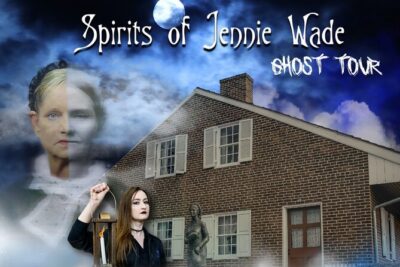
Spirits of Jennie Wade Ghost Night Tour in Gettysburg
Read our review →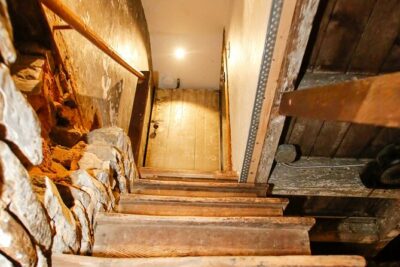

The Historic Welty House Ghost Hunt with Equipment
Read our review →Browse the lists this tour appears in