
Review · LAZIO
Rome: Guided Haunted Rome Ghost Tour with Dowsing Rods
Rome’s dark side is not tucked away in a haunted house. It sits along ordinary streets, beside fountains, churches, bridges, and busy squares. This interactive ghost tour takes you from Castel Sant’Angelo to Campo de’ Fiori, with dowsing rods in hand and stories of executions, poison, kidnappings, and restless souls along the way.
I like two things right away. First, the dowsing rods give you something to do besides listen, which makes the walk feel more personal. Second, the route uses familiar parts of central Rome but shows you details you could easily miss during the day. Guides such as Clara, Ali, Sonja, and Bryan are praised for strong storytelling and warm, engaging personalities.
The main caution is simple: this is a walking story tour, not a paranormal investigation with scientific proof. The supernatural side is played for atmosphere and fun. You should also wear comfortable shoes, since the route moves through several streets and squares over 90 minutes.
Key points about this Rome ghost walk
- Dowsing rods put you into the action: You use them while visiting places linked to ghost stories and grim events.
- The route covers Rome’s darker center: Walk from Castel Sant’Angelo, across Ponte Sant’Angelo, through Via Giulia, and finish at Campo de’ Fiori.
- The stories mix fact and folklore: Hear about executions, witches, heretics, poisoners, prisoners, and a famous kidnapping.
- English-speaking guides carry the experience: Clara, Ali, Sonja, Bryan, and other guides are praised for humor, clarity, and lively delivery.
- The finish is useful for an evening out: Campo de’ Fiori gives you an easy place to continue with food or a drink.
- The price is modest for central Rome: At $29 per person, you get 1.5 hours with a live guide and the dowsing equipment.
Starting beneath Castel Sant’Angelo
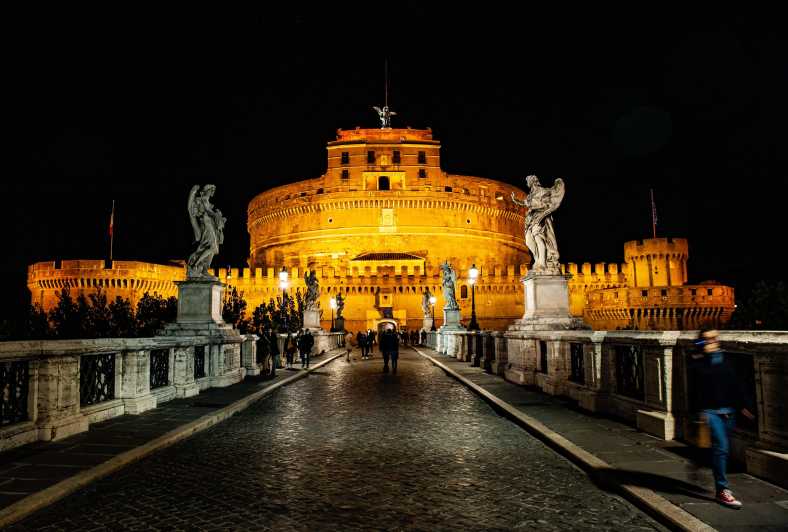
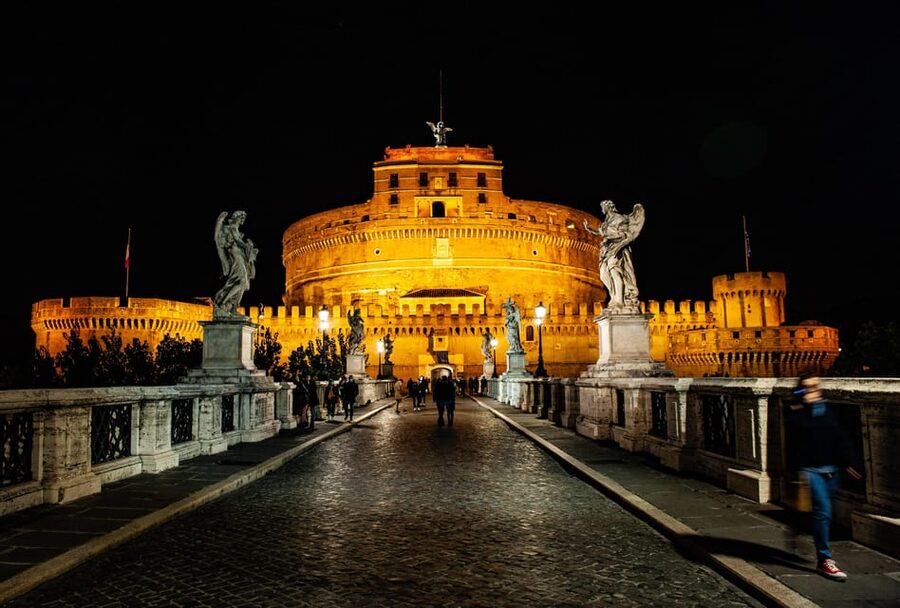
Meet at Lungotevere Castello, 50, in front of Castel Sant’Angelo, at the end of Ponte Sant’Angelo. Look for the guide holding a More of Rome sign. This is a practical meeting point, but do not confuse the castle entrance with the meeting spot. You are meeting outside, near the bridge and river.
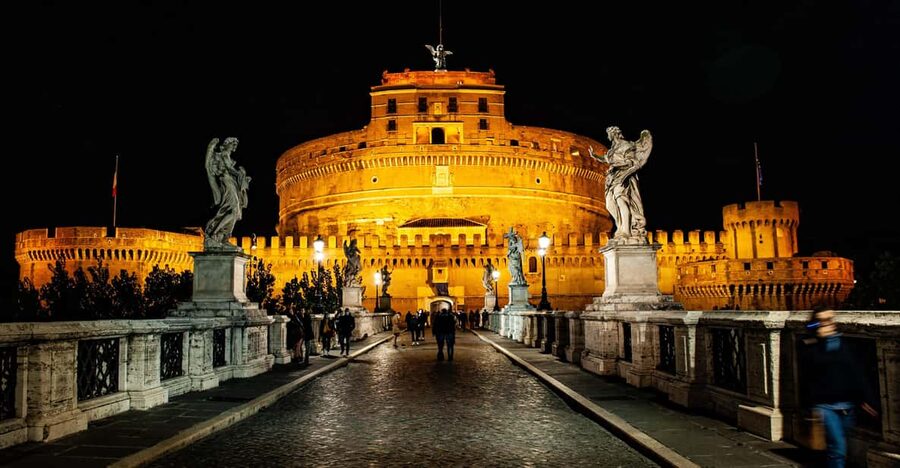
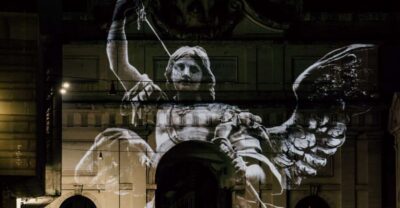
Castel Sant’Angelo gives the tour a fitting opening. The building began as an ancient tomb before becoming a papal fortress. Its long use as a place of power, confinement, and danger gives your guide plenty of material before the walk even begins.
I like the choice of starting here because you get one of Rome’s best-known monuments without doing a standard monument talk. You are not touring the castle interiors. Instead, you are looking at it as a place tied to Rome’s darker past, then moving into the city on foot.
The opening section sets the tone. Expect atmosphere, storytelling, and questions rather than a formal lecture. If your guide is Clara, Ali, Sonja, Bryan, or another member of the team, the style may vary slightly, but the focus remains on accessible stories and audience participation.
More guided walks in Rome
- Rome: Guided Bar Crawl with Drinks & Dark History
★ 4.9 · 444 reviews - London Jack the Ripper Guided Tour with Ripper-Vision
★ 4.5 · 4,840 reviews - Paris: Haunted Père Lachaise Cemetery Guided Tour
★ 4.6 · 3,591 reviews
Crossing Ponte Sant’Angelo with Rome behind you
The first major stop is Ponte Sant’Angelo, where the guided portion lasts about 20 minutes. The bridge gives you a strong visual change. Behind you is the castle, while ahead are the narrow streets of the old city.
This is one of the better places for the guide to explain how Rome’s religious power, prisons, punishments, and public ceremonies once shaped daily life. The bridge itself is a famous sight, but at night it takes on a different mood. You are seeing it as a route into the old city rather than simply as a photo stop.
The walk is wheelchair accessible, according to the activity details. Still, central Rome can include uneven paving and crowded public areas, so you may want to confirm current conditions if you need a very smooth route. Comfortable shoes are the one item specifically recommended, and I would take that advice seriously.
Via dei Banchi Vecchi and the old execution trade
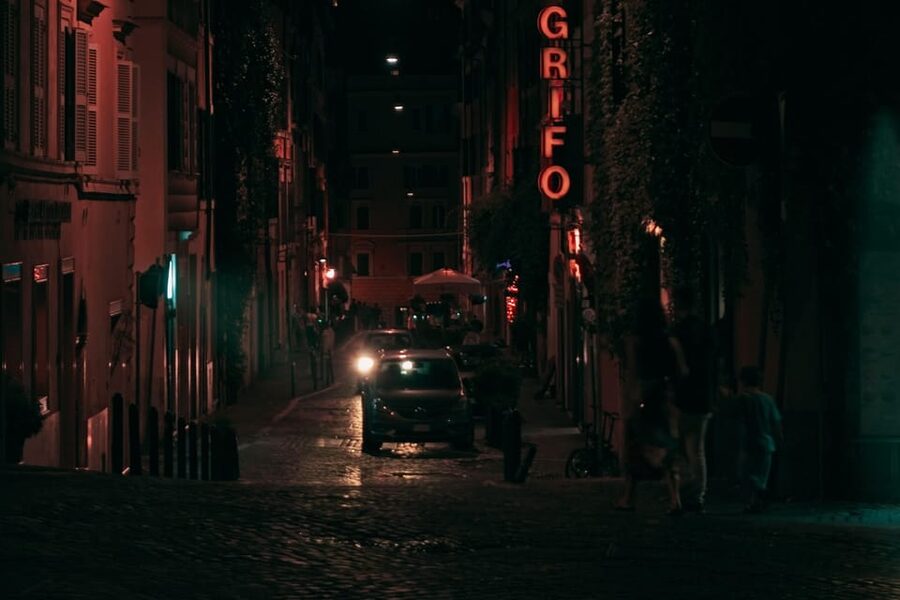
After crossing the bridge, the route turns toward Via dei Banchi Vecchi. The guided stop here is short, about five minutes, but the subject is grim. This area is connected with the most notorious executioner in Rome.
That detail helps you see how public punishment once formed part of city life. Rome’s grand churches and palaces were not separate from violence. Executions took place in the same central districts where people worked, worshipped, shopped, and traveled.
The stop is brief, so do not expect a long historical lecture. Its value comes from the way it links the street under your feet with a specific part of Rome’s past. You may walk along this road during the day without any clue about its former role.
Via di Monserrato and stories of confinement
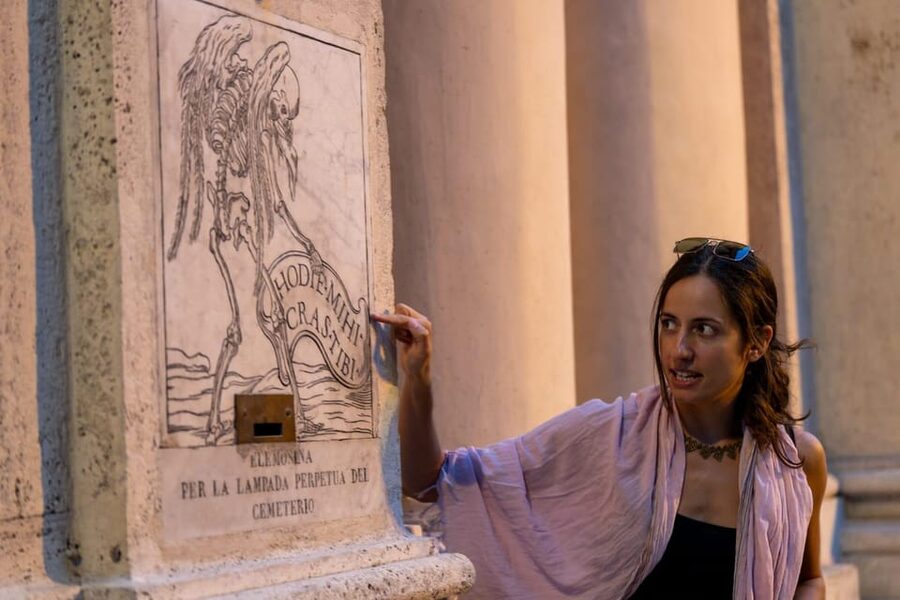
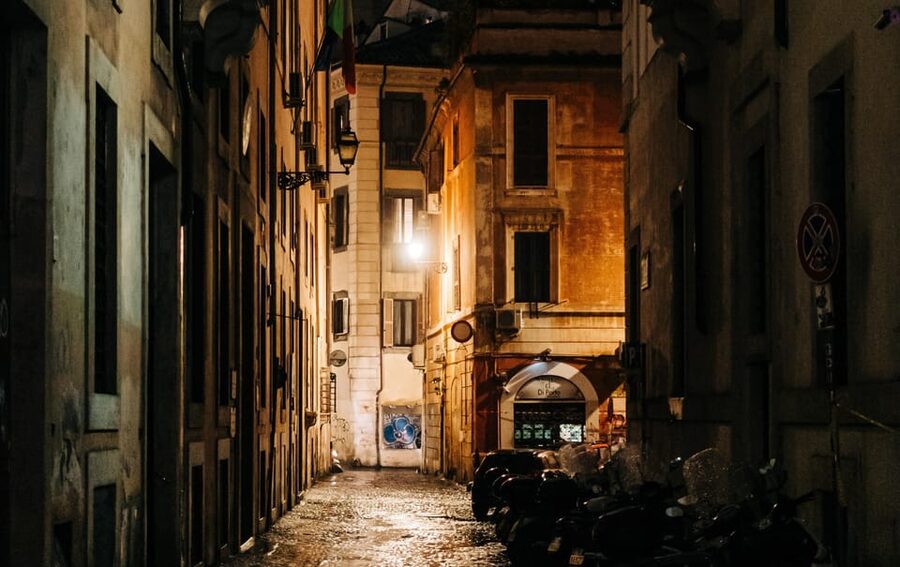
The route continues to Via di Monserrato for around 10 minutes. Here, the focus turns to an ancient prison for women. This is the sort of detail that makes the tour different from a standard evening walk through Rome.
You are not simply collecting ghost tales. You are hearing how women accused of crimes or other offenses could become part of a harsh prison system. The human stories give the supernatural theme some weight. Even if you are doubtful about ghosts, the historical material can still hold your attention.
This section may feel darker than the playful dowsing rod activity. That contrast is useful. The tour works best when it shifts between historical fact, local legend, and audience participation instead of trying to frighten you at every stop.
More ghost tours in Rome
- Rome: Paranormal Night Walking Tour & Secret Backstreets
★ 4.9 · 1,921 reviews - Haunted Rome Ghost Tour – The Original
★ 4.5 · 668 reviews - Rome: Haunted City Night Walking Tour
★ 4.9 · 616 reviews - Haunted Rome Ghost Night Walking Tour
★ 5.0 · 495 reviews
Via Giulia and Rome’s Brotherhood of Mercy
Via Giulia is next, with about 10 minutes of guided commentary. The street is linked to the Brotherhood of Mercy, a group of friars who carried out public executions. The route then brings you to the Church of Santa Maria dell’Orazione e Morte, where the guided stop lasts about 15 minutes.
The church is an important part of the tour because it connects religious charity with death and punishment. A brotherhood devoted to mercy might assist with the dead, prisoners, or condemned people, but the setting also reminds you how closely faith and execution were once tied in Rome.
I especially like this part for readers who want more than spooky sound effects. The stories point toward real institutions and customs. You get a glimpse of a city where public death was visible, organized, and wrapped in religious ritual.
You should not expect a standard church art tour here. The emphasis is on the building’s connection to death and the Brotherhood of Mercy. The guide’s delivery matters a lot, which is why the named guides receive such warm praise. Clara is repeatedly described as funny, passionate, and able to keep the group involved. Ali is also praised for making the history interesting and answering questions.
The Church of Santa Maria dell’Orazione e Morte
The full name of the church translates roughly to Saint Mary of Prayer and Death, which tells you much of what you need to know about the mood. The 15-minute visit is one of the longer stops, giving the guide time to explain why the church matters.
This is where the tour’s two sides meet. You have the setting of a real religious institution, and you have the ghost stories attached to a city filled with executions and unmarked suffering. The dowsing rods add a playful layer, but the place itself carries serious historical associations.
I would pay close attention here, even if you came mainly for a scare. The tour can change how you look at Rome’s churches. Instead of seeing them only as art spaces, you begin to notice their links to prisons, confraternities, public punishment, and care for the dead.
The Fountain of the Mask and Piazza Farnese
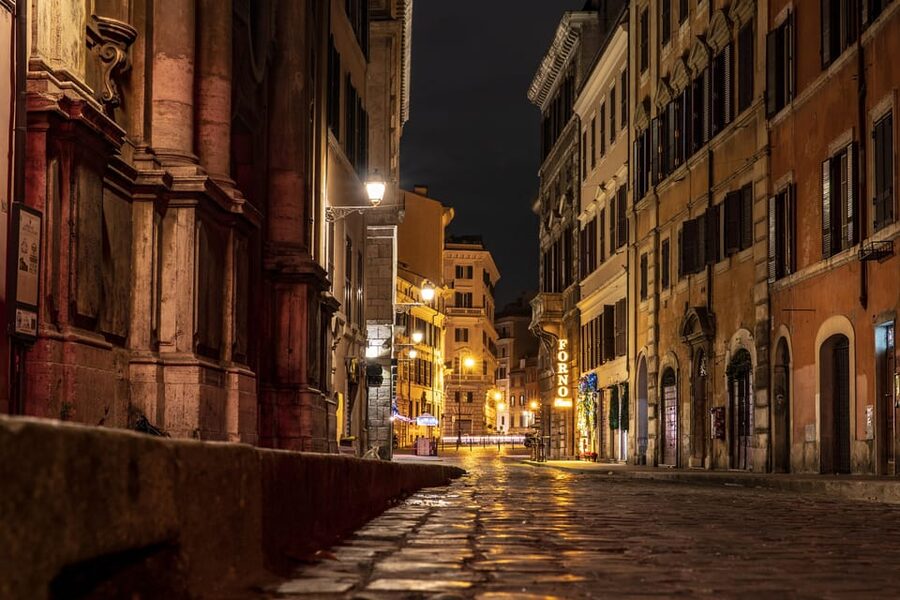
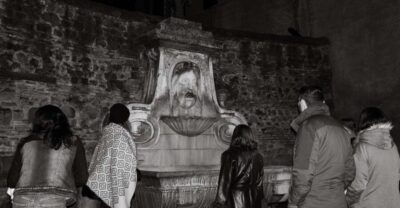
The Fountain of the Mask receives about 10 minutes of guided attention. It is followed by a shorter five-minute stop in Piazza Farnese. These sections break up the longer church and street stories with public spaces that are easier to recognize and photograph.
The Fountain of the Mask is tied to one of Rome’s many local tales. As with the other stops, the interest is not just in asking if a place is haunted. The guide gives the setting a story, then invites you to consider what may have happened there and how the tale developed.
Piazza Farnese offers a brief pause before the final part of the route. You may find this useful if you need to catch up with the group or ask your guide a question. The tour is designed for conversation, and past guide descriptions point to a friendly style in which questions are welcomed.
The exact balance between history and humor can depend on your guide. Bryan, for example, is praised for being engaging and for recommending a good place to have a beer afterward. That kind of local touch is helpful at the end of an evening walk, especially if you want to continue without spending time planning your next stop.
Campo de’ Fiori and Rome’s most brutal public square
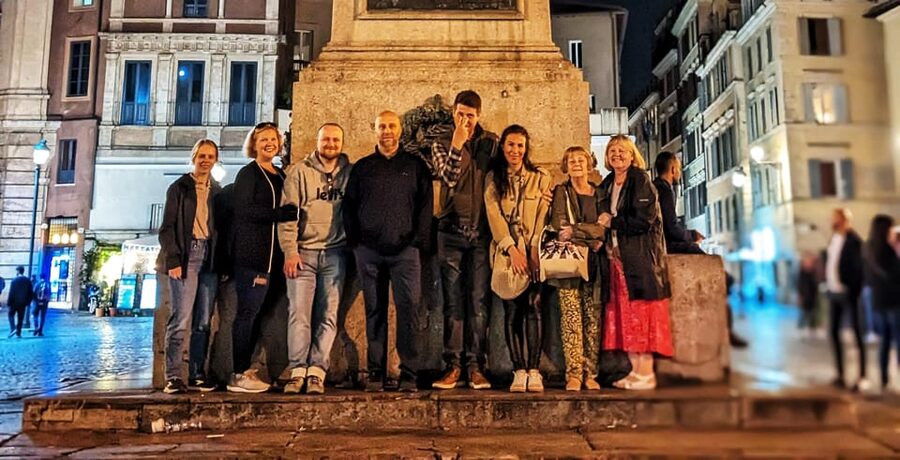
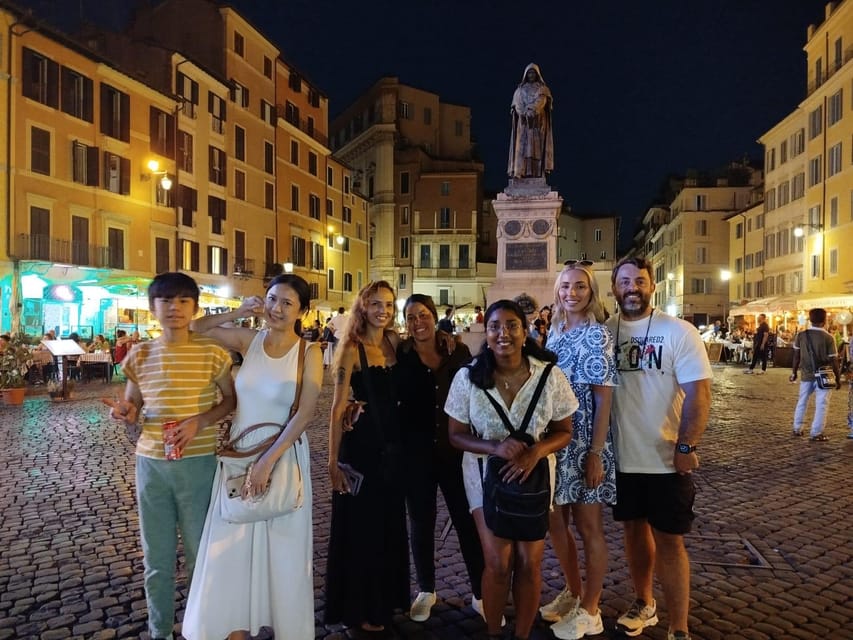
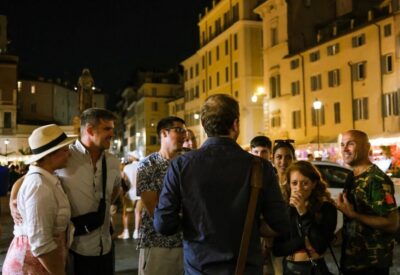
The tour ends at Campo de’ Fiori after about 15 minutes of guided storytelling. Today, the square is one of central Rome’s best-known meeting places, but its past includes thousands of executions carried out in brutal ways.
This is a strong ending because the square is still lively after dark. You finish with a serious reminder of what happened here, then step directly into a part of Rome filled with places to eat and drink. Several guides are praised for choosing an ending that works well for dinner afterward.
Campo de’ Fiori is also a good place to pause and think about the tour. The square does not look like a prison or execution ground. That contrast is the point. Rome’s darker past often sits beneath places that now seem ordinary, social, or cheerful.
You should expect the final stories to be grim. This is not a gentle folklore walk. The tour deals with executions, murder, poison, kidnapping, and people accused of witchcraft or heresy. Teenagers may enjoy it, and one guide is specifically praised for including a teenage participant, but parents should decide if those subjects suit their children.
Why the dowsing rods matter
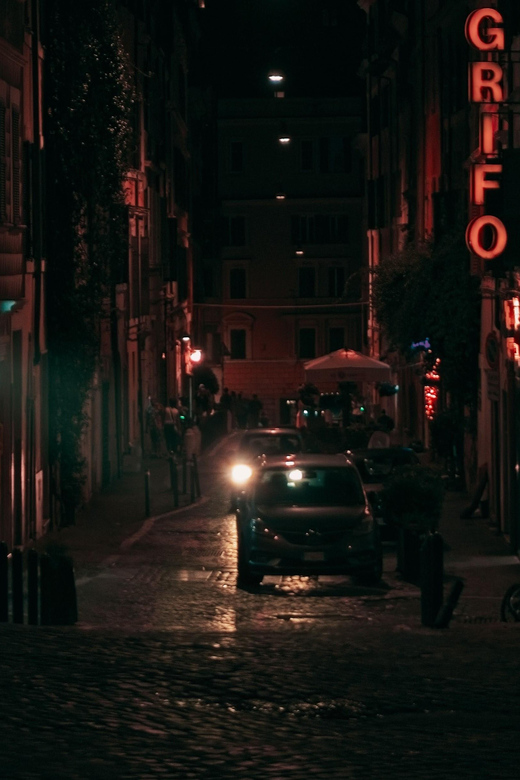
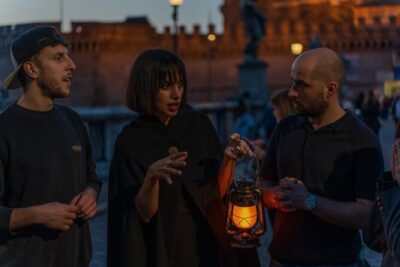
The dowsing rods are the feature that separates this from a normal dark-history walk. You are given rods to use at paranormal hot spots, rather than simply watching your guide perform a staged demonstration.
I would treat this as a social activity, not a test of scientific evidence. The rods encourage you to take part, compare reactions, and stay alert to the story being told. They also give quieter people an easy way to participate without needing to speak in front of the whole group.
This works especially well for couples, families with older children, and friends who want a themed night out. If you prefer a strictly academic history tour, the supernatural framing may feel too theatrical. If you enjoy folklore, ghost stories, and a little suspense, the rods make the 90 minutes more memorable.
Storytelling is the real strength
The guide can make or break a ghost tour. Here, the strongest praise goes to guides who tell the stories with energy, humor, and clear historical context.
Clara is described as charismatic, funny, and passionate. Ali receives praise for being a fantastic storyteller and for making the dark side of Rome interesting. Sonja is singled out for turning the dowsing rod activity and scary stories into a distinctive experience. Bryan is praised for his engaging manner and useful suggestion for a drink afterward. Elvie is described as fun and well informed about Rome’s gruesome past.
That range of guide names matters because you are not buying a recorded audio walk. You are joining a live performance that depends on the person leading it. The guides also make an effort to answer questions and include the group, which is valuable when the subject moves between documented events and legend.
The English-language format keeps the tour easy to follow for international visitors. The short stops also help. You are rarely standing in one place for too long, and the route keeps the evening moving.
Is $29 a fair price?
At $29 per person, this is a reasonable price for a 1.5-hour guided walk in central Rome. The cost includes an expert live guide and the dowsing rods. You pay separately for food and drinks, and there is no pickup or drop-off.
I see the best value in the combination of route and presentation. You visit several areas that are easy to reach on foot, but the guide gives them a clear theme and connects them through Rome’s darker past. A simple evening stroll would cost less, but it would not give you the same structure or stories.
The tour is also useful for a repeat visit to Rome. If you have already seen the Colosseum, Trevi Fountain, and major churches in daylight, this gives you a different way to read the city. You are not paying for entry to a major monument, so first-time visitors should view it as an evening supplement rather than a replacement for Rome’s main sights.
Free cancellation up to 24 hours before the start and reserve-now, pay-later booking make it easier to fit into a changing schedule. Check the available starting times before booking, since the duration is fixed at 90 minutes but the start time can vary.
Who should book this night walk?
I would choose this tour if you like local legends, unusual history, and guides who perform their stories rather than recite dates. It suits couples, groups of friends, solo visitors who enjoy joining a small social activity, and families with older children who are comfortable with grim subjects.
It is also a smart choice for Halloween or for an evening when you want something beyond another restaurant reservation. The route finishes at Campo de’ Fiori, so you can continue with dinner or a drink without arranging another part of the night.
I would skip it if you want a quiet architectural walk, a museum-style lesson, or a serious investigation of paranormal claims. The dowsing rods are there for participation and atmosphere. The tour is best understood as a lively blend of dark history, folklore, and evening entertainment.
Should you book the Haunted Rome Ghost Tour?
Book it if the idea of walking past familiar Roman sights while hearing about executions, poisoners, prisons, kidnappings, and ghosts sounds more appealing than another standard city tour. The route is compact, the price is fair, and the dowsing rods give you a reason to stay involved.
For the best experience, wear comfortable shoes, arrive at the Castel Sant’Angelo meeting point with time to find the guide, and keep the rest of your evening open around Campo de’ Fiori. You will get the most from it if you enjoy storytelling and do not need every supernatural claim to be proven.
FAQ
Where does the Rome ghost tour begin?
The tour begins at Lungotevere Castello, 50, at the end of Ponte Sant’Angelo in front of Castel Sant’Angelo. Your guide will hold a More of Rome sign.
Where does the tour finish?
The tour finishes at Campo de’ Fiori, a central square with options for food and drinks afterward.
How long does the tour last?
The walking tour lasts 1.5 hours.
What language is the tour conducted in?
The tour is conducted in English by a live guide.
Are dowsing rods included?
Yes. Dowsing rods are provided for use during the ghost-hunting portions of the tour.
Is the tour wheelchair accessible?
Yes, the activity is listed as wheelchair accessible. Comfortable shoes are recommended for the walking route.
Just added in Rome
- Rome Secrets with Dark History and Tasty Bites Tour Experience★ 4.5 · 3 reviews
- Ghost & Legends in Night Rome Walking Tour★ 5.0 · 36 reviews
- Experience Rome in this Mysterious Ghost Tour★ 3.5 · 3 reviews
- Rome: Private Night Ghost Walking Tour★ 5.0 · 38 reviews
- Haunted Rome & True Crime: The Cenci Curse Game★ 4.5 · 27 reviews
- Ghosts and Crimes of Rome Night Walk★ 5.0 · 61 reviews
- Rome’s Dark Side: Ghosts, Scandals and Crypts – Small Group Tour★ 5.0 · 28 reviews
- Haunted Rome: Eternal City Night Walking Tour★ 5.0 · 38 reviews
Rome Ghost Tours, compared.
Paranormal Night Walking Tour & Secret Backstreets
Read our review →

Small Group Rome’s Dark Side – Ghosts & Legends Tour
Read our review →
Ghosts, Legends & Mysteries of Rome Tip-Based Walking Tour
Read our review →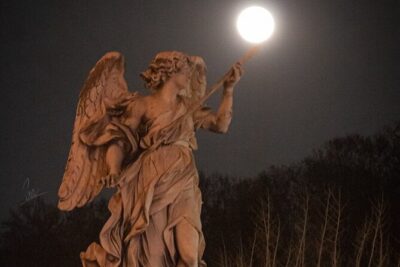
Browse the lists this tour appears in