
Review · LAZIO
Rome: Haunted City Night Walking Tour
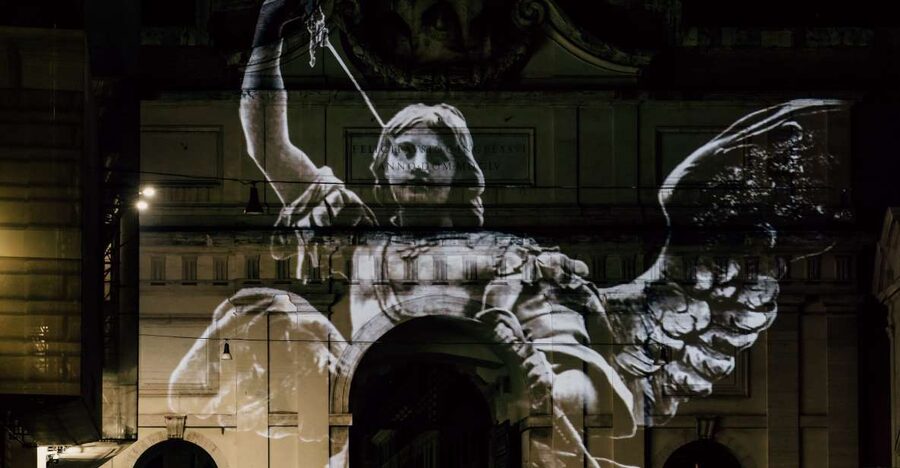
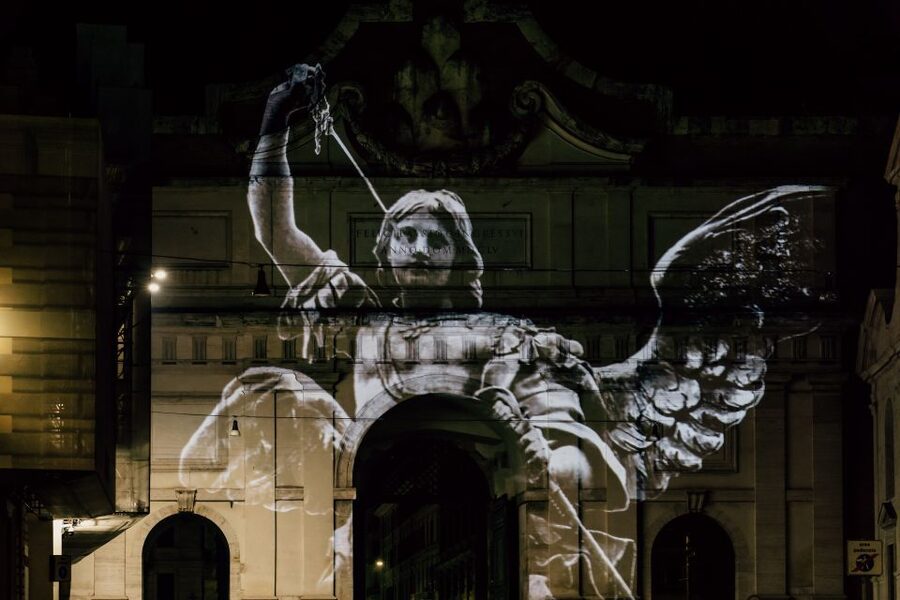
Rome’s dark side is not hidden in some far-off corner. It sits in its grandest squares, beside its churches, and along the bridges you cross in daylight. This two-hour night walk connects those places with stories of executions, murder, restless spirits, and notorious figures from Rome’s past.
I like the way the tour turns familiar sights into something new, and I like the evening timing, which means cooler air and fewer daytime crowds. Guides such as Yousef, Antonio, Maham, and Domenica are praised for clear storytelling and good humor. The main consideration is that this is more historical than theatrical. If you want actors, costumes, or jump scares, this may feel restrained.
Key points to know
- Start beneath Giordano Bruno: Meet your guide at Campo de’ Fiori, beside the statue and a yellow Carpe Diem Tours flag.
- Hear Rome’s grim stories outdoors: Executions, poisonings, murders, ghosts, and infamous popes all enter the tale.
- See nine atmospheric stops: The route includes Campo de’ Fiori, Ponte Sisto, Via Giulia, churches, fountains, and Castel Sant’Angelo.
- Expect a walking tour, not a haunted-house show: The mood comes from Rome itself and the guide’s storytelling.
- Small enough to stay personal: Groups are limited to 20 people, with private groups also available.
- Good value at $29: You get two hours of guiding and a different view of central Rome without paying for admission to a major monument.
Why Rome works so well after dark
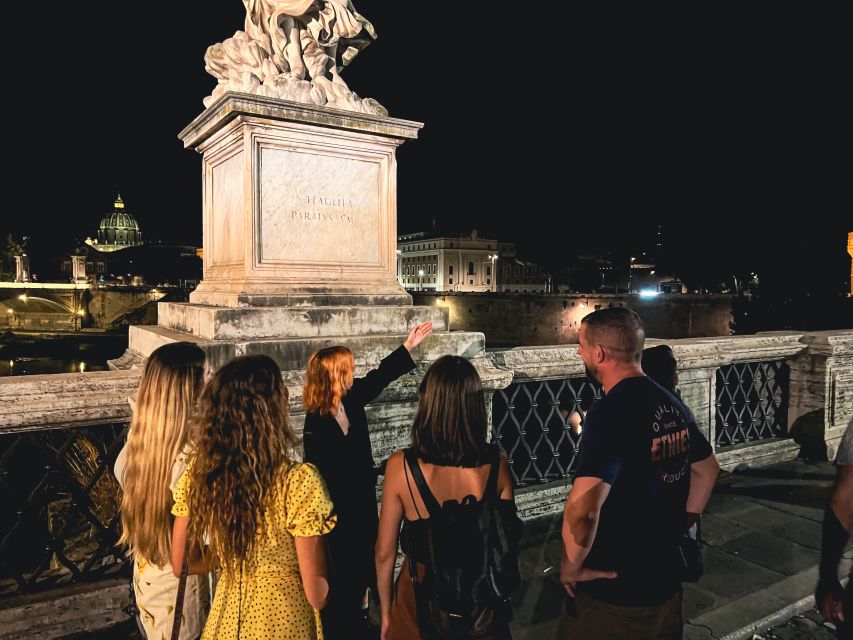
Rome can feel overloaded in the daytime. Tour groups gather around fountains, traffic fills the streets, and bright sunlight softens the mood of places tied to punishment and death. At night, the same streets take on a quieter character, even when restaurants and late activity remain nearby.
That contrast is the chief pleasure here. You are not simply being shown a list of haunted locations. You are being asked to look again at Rome’s churches, bridges, statues, and lanes through the stories attached to them.
The supernatural side is only part of the appeal. The tour also deals with very real cruelty: executions, political violence, murder, poison, and the harsh public life of earlier Rome. One past participant described the walk as more historical than ghostly, but still bone-chilling. That is a useful way to set your expectations.
The guide supplies the mood, rather than special effects. Yousef has been praised for mixing humor with eerie stories, while Antonio is noted for clear English and the ability to answer questions. Maham and Domenica also receive strong praise for being engaging and well prepared. The exact guide depends on the departure, but the pattern is clear: storytelling is the heart of the evening.
More Ghost Walking Tours in Italy
- Rome: Paranormal Night Walking Tour & Secret Backstreets
★ 4.9 · 1,921 reviews - Haunted Rome Ghost Night Walking Tour
★ 5.0 · 495 reviews - Ghosts, Legends & Mysteries of Rome Tip-Based Walking Tour
★ 4.7 · 284 reviews
Campo de’ Fiori and Giordano Bruno
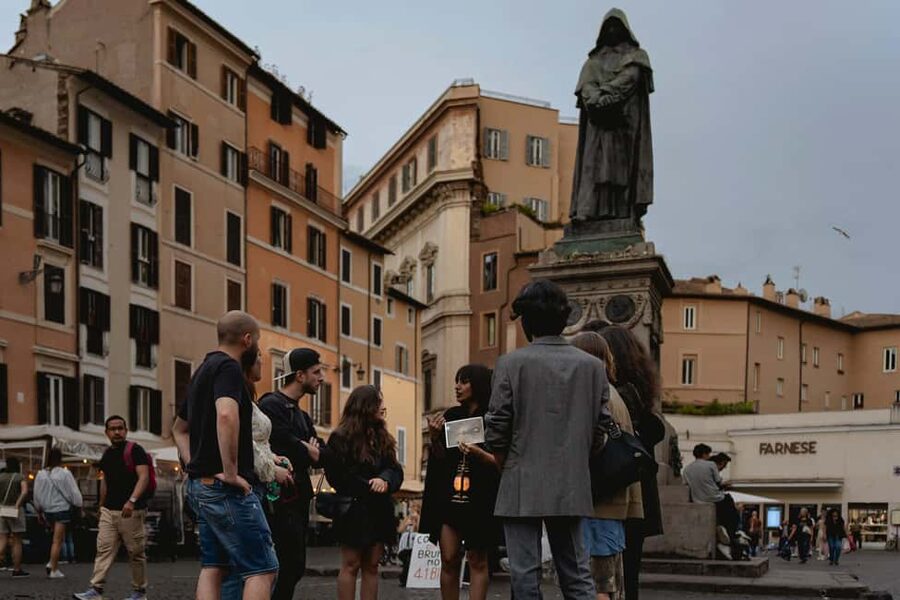
The meeting point is beneath the statue of Giordano Bruno in Piazza Campo de’ Fiori. Arrive at least 10 minutes early and look for the yellow Carpe Diem Tours flag or sign. This is an easy place to find, but Campo de’ Fiori can be busy, so do not cut it close.
The statue immediately sets the tone. Bruno was executed here, and his monument gives the opening story a powerful sense of place. You are not starting with a generic ghost tale. You are standing in a square where Rome’s public punishments once took place.
The first stop lasts about 15 minutes. The guide explains the location and its connection to Bruno, then begins to place the square within Rome’s darker past. This is also where you get a feel for the guide’s style. Some guides use humor to keep the material from becoming too grim. Others lean harder into the strange and unsettling details.
The square remains a functioning part of Rome, so do not expect silence or an abandoned setting. That is part of the point. The city’s dark history is layered beneath everyday life.
Piazza Farnese and the city’s public face
From Campo de’ Fiori, the walk continues to Piazza Farnese. This grand square gives the tour a change of scale. Rome’s grim stories are not confined to narrow alleys. They are tied to places built for power, display, and public life.
You spend about 15 minutes here with the guide. The walk is slow enough for explanations and questions, but it is still a walking route, not a sequence of long stops inside buildings. If you enjoy hearing how famous places connect to less polished chapters of history, this part should appeal to you.
The tour uses the city itself as its setting. That keeps the cost low and means you see the squares as they really are, with street life continuing around you. The tradeoff is that you may need to stay close to the guide and listen carefully when the group is near traffic or other activity.
Madonnelle and small roadside images
One of the more unusual stops is a Madonna della Pietà, described as one of Rome’s small Madonnelle images. These modest religious images appear in the city’s streets and corners, often easy to miss if you are rushing between major sights.
The guide spends roughly 15 minutes here, using the image as a doorway into lesser-known religious and local stories. This is the sort of stop that gives the tour its character. You are not only visiting the places printed on a standard sightseeing map. You are being shown details that reward a slower look.
Do not expect a major monument or a long interior visit. The value is in the explanation and the setting. Keep your camera ready, but listen first. The small details can be difficult to appreciate if you are trying to photograph everything.
More Ghost Walking Tours in Rome
- Ghosts Legends and Mysteries of Rome Walking Tour
★ 5.0 · 149 reviews
Ponte Sisto and the route toward Via Giulia
The walk then reaches Ponte Sisto, where the route crosses or pauses near the historic bridge. Bridges are natural settings for tales of death and haunting. They are thresholds between parts of a city, and this one helps shift the tour from Campo de’ Fiori toward the streets closer to the Tiber and Castel Sant’Angelo.
The guide continues to combine historical facts with darker stories. You might hear about public punishment, bodies, or unusual events connected to Rome’s religious and political past. The exact stories can vary by guide, so the evening is not built like a scripted show with a fixed performance.
This section also gives you a useful view of Rome at night. The tour is not designed as a photo walk, but the route offers atmospheric views of bridges, lanes, and illuminated buildings. A camera is worth bringing, though low light can make photographs difficult.
The Fountain of the Mask
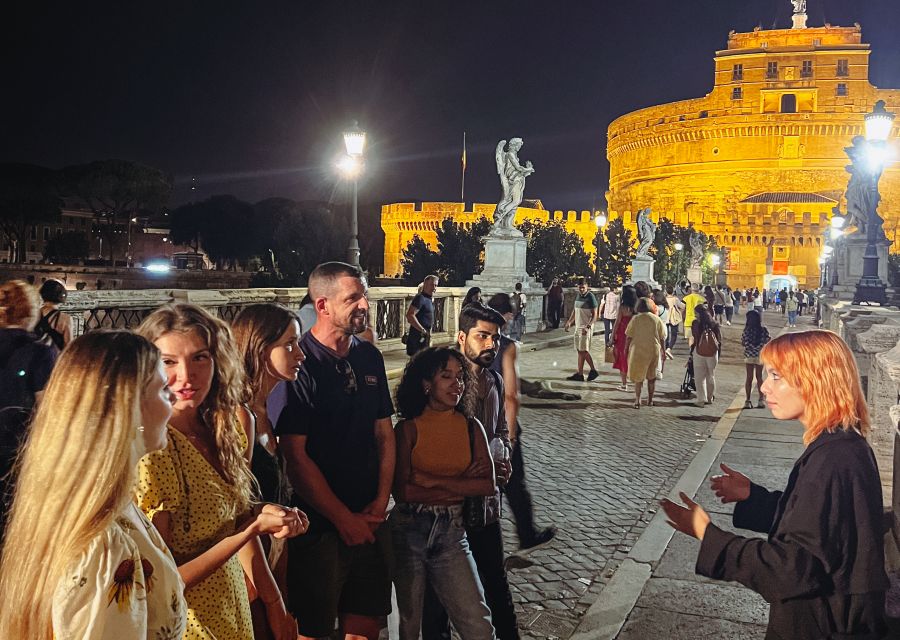
The Fountain of the Mask is another brief outdoor stop. Its name alone fits the mood, but the guide’s explanation matters more than the object’s appearance. Here, as elsewhere, the tour uses a small feature of Rome to introduce a larger story.
This is one reason the experience suits people who have already seen Rome’s biggest sights. You may pass small fountains and wall images without noticing them on your own. With a guide, they become clues to older customs, fears, and beliefs.
The stop lasts about 15 minutes. Since the group remains outdoors, comfortable shoes matter more than dressy clothes. Rome’s streets can be uneven, and you will be on your feet for the full two hours.
Santa Maria dell’Orazione e Morte
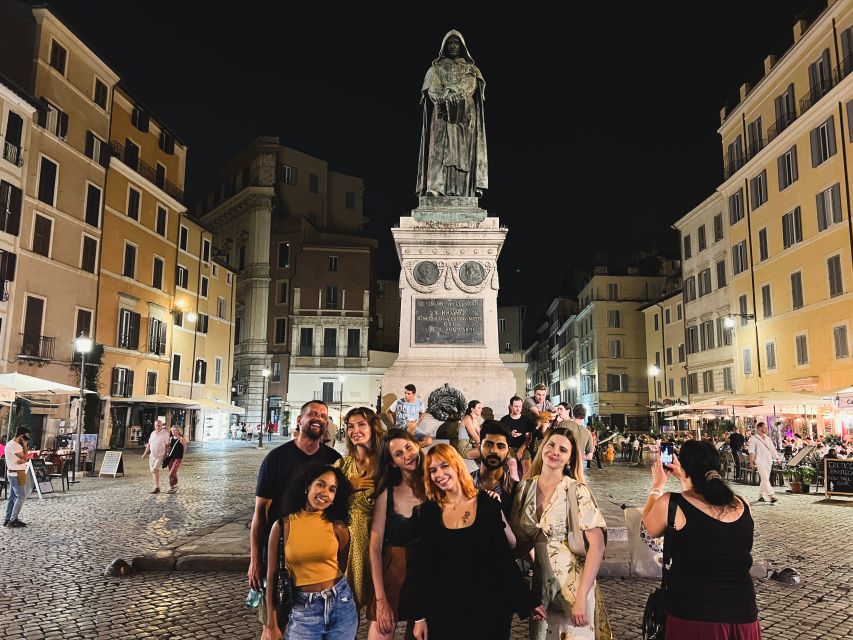
The Church of Santa Maria dell’Orazione e Morte is one of the tour’s strongest stops. Its name relates to prayer and death, and the church is associated with a confraternity devoted to caring for the dead. The overview of the walk also points to a chapel decorated with human bones, making this the moment most likely to satisfy visitors looking for genuinely macabre material.
Be careful with your expectations. The supplied details promise a guided visit or explanation, but they do not promise entry into every interior or access to a bone chapel during every departure. The attraction is the story and the setting, not a guaranteed special-access visit.
Still, this stop helps explain the difference between a ghost tour and a simple night stroll. Rome’s darker traditions were not invented for tourists. They grew from real religious practices, public fears, and the difficult task of dealing with death in a dense old city.
Santa Maria in Monserrato degli Spagnoli
The route continues to Santa Maria in Monserrato degli Spagnoli, another church with a connection to Rome’s long religious and national story. The guide uses the church as part of the larger narrative rather than treating it as an isolated monument.
This is a good place to pay attention to the balance between famous names and ordinary people. The evening includes popes, emperors, artists, and criminals, but it also shows how their actions affected the streets around them.
The church stop is listed at about 15 minutes. Since the walk covers several locations in two hours, you should expect concise explanations rather than a full art-history lecture. If you want detailed information on every painting or architectural feature, book a specialist church tour instead. If you want a memorable reason to notice the building at night, this route makes a strong case.
Castel Sant’Angelo and the final stories
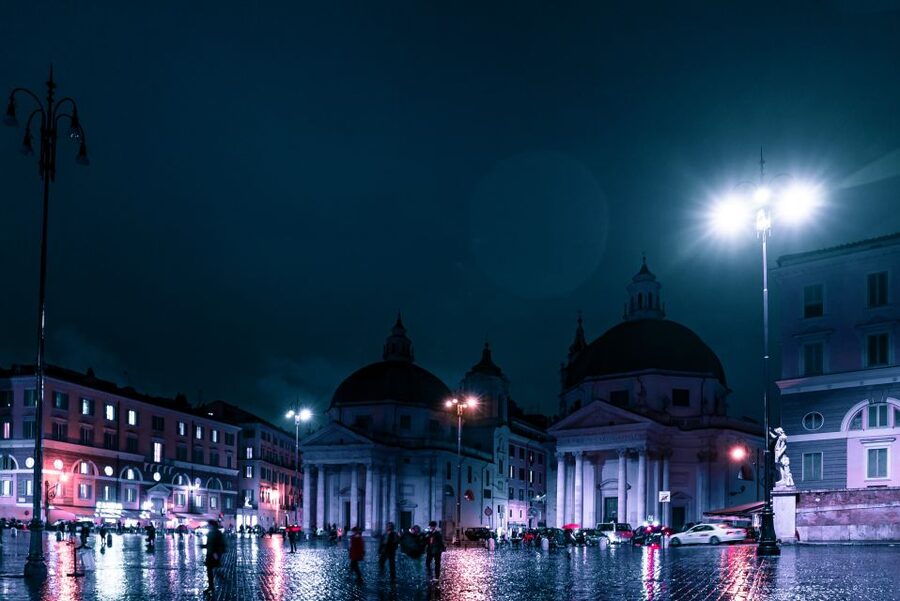
The tour finishes at Castel Sant’Angelo, one of Rome’s most dramatic night landmarks. The fortress-like building already looks suited to tales of imprisonment, death, and restless spirits. Reaching it at the end gives the walk a strong visual finish.
The stop is not just a photo opportunity. The guide connects the castle to the darker history of Rome and brings the route back to the city’s rulers, prisoners, religious figures, and political struggles. You finish near a major sight without paying for entry to it.
This endpoint is useful for planning the rest of your evening. You can continue walking through central Rome, find dinner, or simply pause for photographs. The activity ends at Castel Sant’Angelo, not back at Campo de’ Fiori, so plan your evening around that one-way route.
What the guides do best
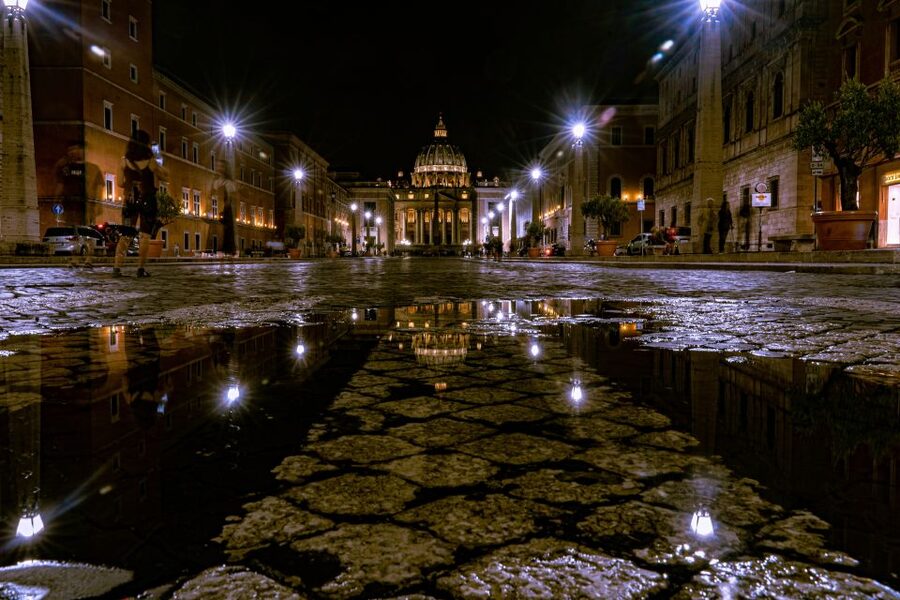
The guide can make or break a storytelling walk, and this experience depends heavily on that skill. The strongest pattern in the feedback is not a particular special effect. It is the guides’ energy, clarity, humor, and ability to keep people involved.
Yousef is praised for a friendly manner and light humor. Antonio receives credit for clear English, strong subject knowledge, and answering questions well. Maham is repeatedly described as an excellent storyteller, while Domenica is praised for making the material fun and engaging.
Other named guides include Sarah, Dinara, Simon, Csenge, and Mahan. Their approaches may differ, but you can expect an English-language tour led by someone who presents Rome’s darker stories directly and interactively.
One especially nice touch is the use of a small game involving statuettes. That sort of activity helps keep the walk from becoming a two-hour lecture. One guide also used a book with pictures to support the stories. These details are not guaranteed on every departure, but they show how the format can stay lively.
There are no radio earphones mentioned, so stay close enough to hear. A group of up to 20 people is manageable, but a larger group can make it harder to catch every word on a noisy street. Ask questions when the guide pauses rather than trying to interrupt during the story.
Is $29 a fair price?
At $29 per person, I consider this good value if you want a guided evening walk rather than a major paid attraction. The price includes a two-hour guide, a route through several central locations, and access to a different side of Rome without separate monument admission.
The value is strongest for a first visit when you want orientation with atmosphere. You see Campo de’ Fiori, Piazza Farnese, Ponte Sisto, Via Giulia, churches, and Castel Sant’Angelo in one compact outing. You also gain stories that can change how you view those places later in the day.
It is less valuable if you are seeking a fully theatrical ghost production. The group walks through real streets, and the material is often historical before it is supernatural. There may be ghosts and paranormal tales, but executions, murder, religious customs, and political violence form much of the substance.
Free cancellation is available up to 24 hours before the start, and you can reserve now and pay later. Those terms are useful when your Rome schedule is still changing. Late arrivals are not eligible for refunds, so the meeting point rule matters.
Who should book this night walk?
I would suggest it to adults, older children, and teenagers who enjoy unusual history and a little darkness. It works especially well for people who have already seen the Colosseum, Trevi Fountain, or Pantheon and want an evening activity that does not repeat the standard route.
It is also a smart choice for hot months. The walk takes place after dark, so you avoid the strongest heat and much of the daytime crowding. You still need comfortable shoes, since the entire experience is on foot.
Families should judge their children’s tolerance for stories about executions, murder, corpses, and bones. The guide may use humor, but the subject matter is not gentle.
Private groups are available if you want more control over the pace or a more personal format. For most people, the shared group should be fine, especially with a maximum of 20 participants and a guide who invites questions.
Practical tips for a better evening
Meet at Campo de’ Fiori beneath Giordano Bruno’s statue at least 10 minutes early. Look for the yellow Carpe Diem Tours sign or flag, and make sure you have the meeting point saved before leaving your hotel.
Wear shoes you can walk in for two hours. The route includes several stops, but you will still be moving through city streets between them.
Bring a camera, but do not let photography replace listening. Several stories make more sense when you later see the statue, fountain, church, or bridge in daylight.
Use the time before the tour to eat or use a restroom if needed. The supplied details do not promise scheduled breaks, and the walk is built around a chain of 15-minute stops.
Finally, ask the guide for food or sightseeing tips. Guides have offered useful local suggestions during the walk, and this can add practical value beyond the ghost stories.
Should you book the Haunted City Night Walking Tour?
Book it if you want Rome to feel less polished and more human for an evening. The route gives you public squares, churches, bridges, and Castel Sant’Angelo, then adds the executions, murders, religious customs, and ghost stories that standard sightseeing often leaves out.
Skip it if you need dramatic actors, guaranteed scares, or extensive access inside monuments. This is a story-led historical walk with a spooky edge.
For $29, the combination is hard to fault. You get a cool evening route, a local English-speaking guide, a small group, and a fresh reason to look at places you may already have visited. Arrive on time, wear good shoes, and choose it when you want Rome after dark to feel a little stranger.
FAQ
How long does the Haunted City Night Walking Tour last?
The tour lasts two hours.
What language is the tour conducted in?
The tour is conducted in English.
Where does the tour begin?
It begins in Piazza Campo de’ Fiori, beneath the statue of Giordano Bruno.
How do I identify the guide?
The guide will be holding a yellow Carpe Diem Tours flag or sign.
Where does the tour finish?
The tour finishes at Castel Sant’Angelo.
What places does the walk visit?
The route includes Campo de’ Fiori, the statue of Giordano Bruno, Piazza Farnese, a Madonna della Pietà Madonnella, Ponte Sisto, the Fountain of the Mask, Santa Maria dell’Orazione e Morte, Santa Maria in Monserrato degli Spagnoli, and Castel Sant’Angelo.
What does the tour cost?
The listed price is $29 per person.
How large is the group?
The group can include up to 20 people. A private group option is also available.
What should I bring?
Bring comfortable shoes and a camera.
Can I cancel the booking?
You can cancel up to 24 hours before the tour for a full refund. Late arrivals are not eligible for refunds.
More evening outings in Italy
- Haunted Evening Horse and Carriage Tour of Charleston
★ 4.5 · 3,678 reviews - Edinburgh: Evening Underground Ghost Tour
★ 4.4 · 3,092 reviews - Prague: Ghosts and Legends of the Old Town Evening Tour
★ 4.5 · 3,091 reviews - Ghosts of Charleston Night-Time Walking Tour with Unitarian Church Graveyard
★ 4.5 · 2,835 reviews
Just added in Italy
- Venice: The Ghost & Legends Walking Tour★ 4.0 · 206 reviews
- Ghosts Legends and Mysteries of Rome Walking Tour★ 5.0 · 149 reviews
- Rome Secrets: Dark History & Tasty Bites Tour★ 5.0 · 37 reviews
- Rome’s Dark Side Ghosts and Legends Tour★ 5.0 · 93 reviews
- Tipsy Tour: Guided Bar Crawl In Florence with Dark History★ 5.0 · 271 reviews
- Ghosts, Legends & Mysteries of Rome Tip-Based Walking Tour★ 4.7 · 284 reviews
- Rome: Small Group Rome’s Dark Side – Ghosts & Legends Tour★ 4.9 · 343 reviews
- Rome: Guided Bar Crawl with Drinks & Dark History★ 4.9 · 444 reviews
Ghost Walking Tours, compared.
New Orleans Premier Ghost, Voodoo and Vampire Walking Tour
Read our review →

Ghost Walking Tour Where Legends Come To Life
Read our review →
Savannah History and Haunts Candlelit Ghost Walking Tour
Read our review →
Ghosts of Charleston Night-Time Walking Tour with Unitarian Church Graveyard
Read our review →
New Orleans Haunted Ghost, Voodoo & Vampire Walking Tour
Read our review →Browse the lists this tour appears in