Review · TOKYO
Tokyo’s Scariest Shitamachi Ghost Tour
Tokyo’s dark side is less about haunted houses than old shrines, tragic deaths, uneasy spirits, and the customs built to calm them. This tour takes you from modern Otemachi to the older streets of Minamisenju and Asakusa, where Japanese ghost lore meets real local history.
I like the small maximum of eight people, which gives you room to ask questions and talk with guides such as Joris, Maik, Frank, Haruka, and Melissa. I also like the unusual route: you see places most first-time visitors would miss, including a shrine, old worship sites, Sensoji, Old Hag’s Pond, and Kappabashi. The main caution is simple: this is a long walking tour with only a handful of truly supernatural tales, so anyone expecting nonstop scares may feel shortchanged.
Key points to know before you go
- The route starts at Tokyo Station and ends in Asakusa, making it useful for an evening meal or drink after the tour.
- Otemachi and Minamisenju provide the darkest historical material, including stories of revenge, death, worship, and reported paranormal activity.
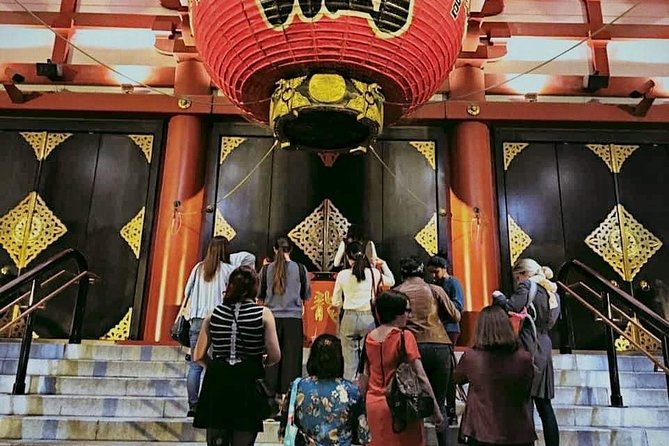
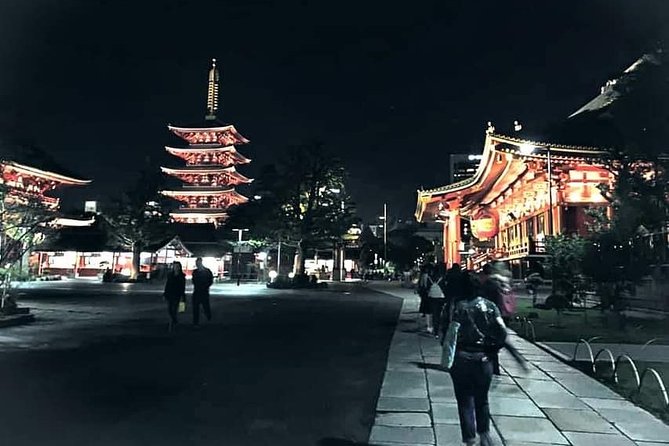
- Asakusa receives the longest stop, with Sensoji, surrounding lanes, a viewpoint, Old Hag’s Pond, and Kappabashi.
- You will walk a lot, with some participants estimating around 8,000 steps or more, so wear supportive shoes.
- The tour includes one local snack, but not dinner. Eat beforehand if you need a full meal.
- Public transport costs about 400 yen extra, and cash is useful during the evening.
- The experience can be adjusted for families, though some stories involve violent or tragic subjects.
- The group is capped at eight people, and the tour is normally booked about 20 days ahead.
Tokyo’s spooky side begins in modern Otemachi
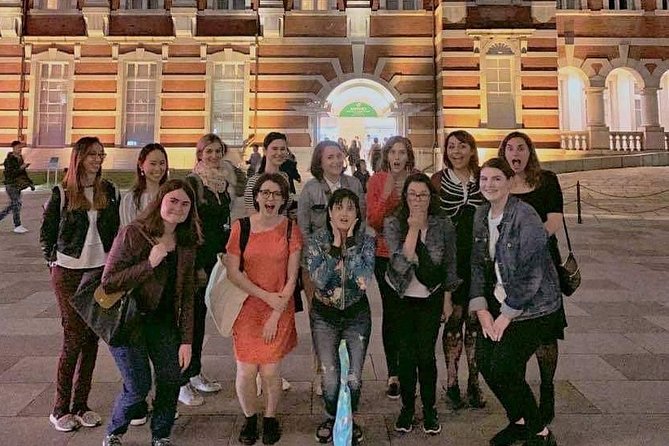
The meeting point is the Yamato Transport baggage service counter at Tokyo Station’s Marunouchi North Exit. This is a busy, practical starting place, so give yourself enough time to find the correct dome and counter before the 6 p.m. departure.
Your first stop is in Otemachi, surrounded by office towers and workers heading home. That contrast is part of the appeal. Tokyo’s most unsettling stories do not always sit in remote woods or abandoned buildings. Some are tucked beside financial offices and train lines, where ordinary city life carries on around old fears.
The guide takes you to a shrine connected with a vengeful spirit. The local belief is strong enough that office workers in the area still avoid turning their backs toward it. You do not need to believe in ghosts to appreciate the social detail here. It shows how an old story can shape the behavior of people living and working in a modern district.
This stop lasts about 20 minutes and costs nothing to enter. It is a compact opening, but it sets the tone well: the tour is about the way Tokyo remembers disturbing events, not just about trying to frighten you in the dark.
More ghost tours in the world
- New Orleans Premier Ghost, Voodoo and Vampire Walking Tour
★ 4.5 · 12,856 reviews - The World Famous Underground Ghost Tour
★ 4.5 · 9,272 reviews - Chicago: Gangsters and Ghosts Walking Tour
★ 5.0 · 7,155 reviews
Minamisenju brings the most serious stories
From Otemachi, you use public transportation toward Minamisenju. The fare is not included, and the total cost during the tour is around 400 yen per person. Bring cash, even if you normally rely on cards or a mobile payment app, since the tour information specifically advises it.
Minamisenju is where the evening becomes heavier. The guide visits several important sites, including two separate places of worship with tragic backgrounds and reports of paranormal activity. The area also connects with Tokyo’s older, grimmer past, so expect stories about death, violence, mourning, and the efforts made to appease troubled spirits.
This section works best if you like folklore with historical context. I appreciate the Japanese approach to spirits, where people often respond to fear with ritual, prayer, shrines, and respect. The point is not simply that a ghost is said to appear. It is also how the community responds, how a site is treated, and why the memory remains active.
The drawback is that the supernatural material can be spread thin. Some people count only a few clear ghost stories across the full evening. You may hear more about tragic events and cultural customs than about apparitions, hauntings, or unexplained sightings.
That difference matters when you judge the title. If you want an old-fashioned ghost tour packed with one scare after another, this may not be the right pick. If you enjoy grim tales tied to real places, Minamisenju gives the experience its strongest emotional weight.
Asakusa supplies the longest walk and widest mix
The tour spends about 80 minutes in Asakusa, the longest portion of the route. You visit a viewpoint, Sensoji Temple, the streets around the temple, Old Hag’s Pond, and Kappabashi.
Sensoji is one of Tokyo’s best-known sights, but seeing it after dark changes the mood. The temple grounds and surrounding streets take on a quieter, more reflective feel than they have during the busiest daytime hours. Your guide explains the cultural meaning of the sites while adding darker tales connected with the neighborhood.
Old Hag’s Pond gives the tour one of its clearest folklore locations. The name alone points toward a disturbing tale, and the stop adds a strong sense of place to the evening. You may also visit a cemetery area or other sites tied to death and local legend, depending on the route and guide.
Kappabashi broadens the experience beyond temples and graveyards. You see another part of Asakusa, one connected with kitchenware shops and neighborhood streets, while the guide continues the stories. This variety keeps the evening from feeling like a string of identical shrine stops.
The Asakusa portion is also where the walking becomes most noticeable. The full evening may run longer than three hours, and some people have described covering roughly 8,000 steps. I would treat this as a walking tour first and a ghost tour second. Comfortable sneakers are essential, and anyone with limited stamina should ask about the pace before booking.
The guides make a major difference
The guide can shape your night more than the route itself. Joris is praised for his easy conversation, strong grasp of Tokyo’s past, and ability to help with practical questions. Maik is described as funny and good at combining scary tales with Japanese culture. Frank is noted for answering questions and talking comfortably about Tokyo beyond the tour stops.
Haruka has also been praised for asking about personal interests and following up with suggestions for other places to visit. Melissa is described as personable and well-informed, especially when explaining the sad stories behind sites connected with the Edo period. These details suggest that the strongest part of the experience may be the conversation between stops.
Guides have also been described as patient with questions and helpful during meet-up arrangements. That matters in Tokyo, where a simple station entrance can be confusing if you do not know the local layout.
The names are not a guarantee of who will lead your departure. The provider is Tokiotours, and guide assignments can vary. Still, the repeated praise for individual guides points to an important value: you are not just following a script through three districts. A good guide can adjust the conversation, explain customs, and make the evening feel personal.
Same streets, a very different kind of fright:
- Edinburgh: Haunted Underground Vaults and Graveyard Tour
★ 4.6 · 6,607 reviews - Adults-Only New Orleans Ghost, Crime, Voodoo, and Vampire Tour
★ 5.0 · 6,545 reviews - Prague: Ghost Walking Tour Where Legends Come To Life
★ 4.4 · 5,253 reviews - Prague: Ghosts, Legends, Medieval Underground & Dungeon Tour
★ 4.3 · 5,104 reviews
Expect cultural history with a spooky edge
The best way to understand this experience is as a blend of ghost tour, historical walk, and cultural introduction. The stories can be sad or grim, and some may be too dark for young children. At the same time, the tour can be made family-friendly, so tell the guide your group’s comfort level at the start.
I like the way the route shows that Japanese ghost traditions are not separate from everyday religious practice. Shrines and temples are not merely scenic backdrops. They can be places where people remember the dead, calm angry spirits, and maintain a relationship with unsettling events from the past.
You will also learn how much of Tokyo’s old character remains inside its modern city structure. The route moves from offices to worship sites, from famous Asakusa landmarks to smaller locations that do not usually appear on a first-time sightseeing plan. That is good value if you have already seen the major attractions and want a different way to understand them.
Still, keep your expectations in check. The experience is not a theatrical production. There are no actors, special effects, or guaranteed supernatural encounters. The fear comes from the setting, the subject matter, the night air, and your guide’s storytelling.
Food, timing, and the evening pace
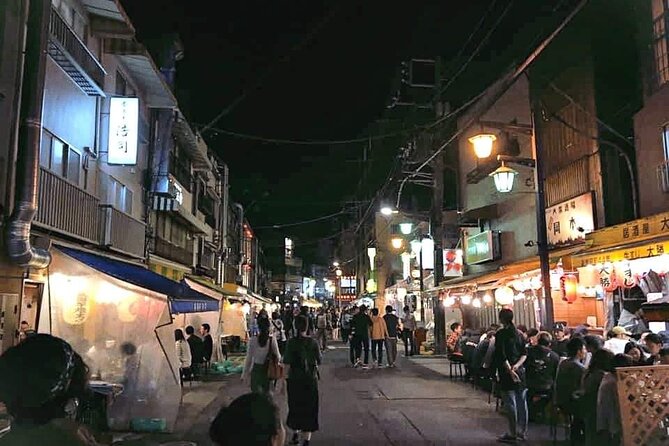
The tour starts at 6 p.m., around dinner time. One local snack is provided during the route, which is a thoughtful touch but not enough to replace a meal. Eat before meeting the guide, especially if you do not like walking while hungry.
The tour ends around 1-chome-2-35 Asakusa, near the metro station. Your guide can also drop you at a restaurant or bar in the neighborhood. This makes the finish convenient, since Asakusa has plenty of places to continue the evening, though the tour itself does not include a restaurant stop.
The timing works well for visitors who want a full day of sightseeing followed by something unusual. It is less suitable if you plan a late dinner reservation immediately afterward. The walking pace, train transfers, and story stops can make the end time flexible.
You should also plan for ordinary Tokyo evening conditions. The tour is outdoors and uses public transportation. Bring cash for the fares, wear shoes you can walk in for several hours, and carry only what you want to manage during the route.
Does the $114.95 price make sense?
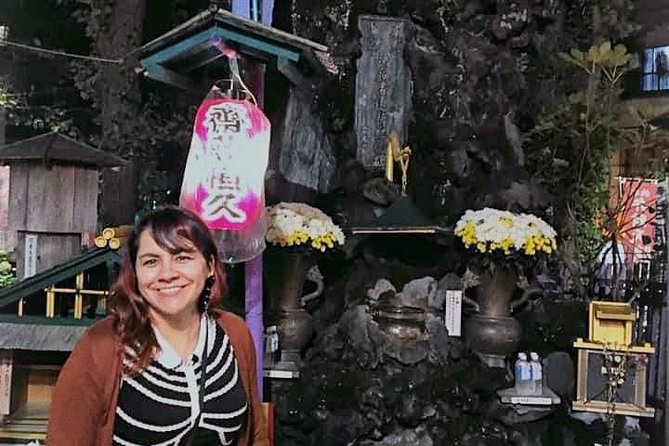
At $114.95 per person, this is not a cheap evening walk. The price makes more sense when you value a small group, a guide who can answer questions, and access to a carefully connected route across several districts.
You are paying for interpretation and local knowledge, not entrance tickets. The sites themselves are free, public transport costs around 400 yen extra, and only one snack is included. If you mainly want to see Sensoji at night, you can do that on your own for much less.
The value improves if you want context. A self-guided visit may show you the temple and the streets, but it will not necessarily explain the stories behind the shrine in Otemachi, the troubled worship sites in Minamisenju, or Old Hag’s Pond. You also avoid having to plan the route between districts yourself.
The maximum of eight people is another factor. A smaller group makes it easier to hear the guide, ask questions, and adjust the conversation. Group discounts may be available, so check the current price if you are booking for several people.
Because the booking is non-refundable and cannot be changed after purchase, choose your date carefully. Confirmation is sent within 48 hours, subject to availability, and the tour is often reserved about 20 days ahead.
Who should book this tour?
I would recommend it to you if you like local legends, cemeteries, shrines, old tragedies, and unusual neighborhoods. It suits someone who wants to see a different side of Tokyo and does not mind that the historical material can be more interesting than the supernatural material.
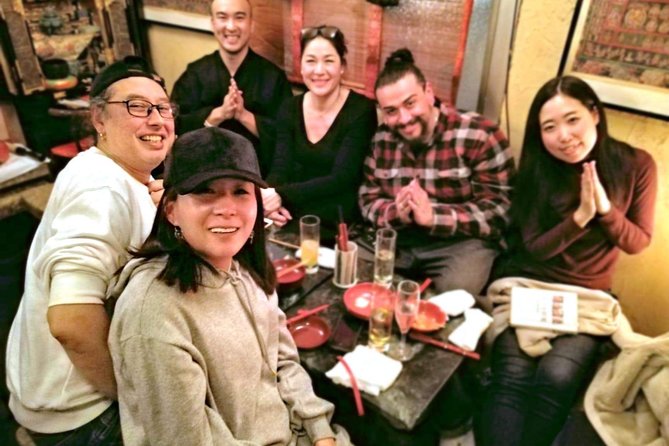
It is also a good choice if you prefer conversation to a polished stage show. Guides such as Joris, Maik, Frank, Haruka, and Melissa have been praised for humor, patience, and their ability to connect the stories with wider Japanese customs.
Families can ask for a gentler version, but you should still remember that death and disturbing folklore are central to the subject. Teenagers and adults who enjoy dark history may have the best fit.
I would skip it if you want frequent scares, minimal walking, or a full dinner included. You may also be disappointed if you expect every stop to involve a ghost. This is a thoughtful, sometimes eerie city walk, not a nonstop haunted attraction.
My booking advice
Book Tokyo’s Scariest Shitamachi Ghost Tour if you want an evening that combines Tokyo’s old districts with grim stories and Japanese spiritual customs. Wear good shoes, eat before you go, carry about 400 yen for transit, and treat the supernatural element as an extra rather than the whole product.
The strongest reason to choose it is the chance to see ordinary parts of Tokyo through a darker lens. The main reason to hesitate is the mismatch between the dramatic title and the modest number of clear ghost stories. If you accept that tradeoff, the route can give you a memorable, unusual night in Otemachi, Minamisenju, and Asakusa.
FAQ
Where does the Tokyo ghost tour start?
The tour starts at the Yamato Transport Tokyo Station Marunouchi North Exit Baggage Service Counter in the Marunouchi North Exit dome area.
What time does the tour begin?
The scheduled start time is 6 p.m.
How long does the tour last?
The tour lasts approximately three hours, though some accounts describe it running longer because of the walking and route.
Where does the tour finish?
The tour ends in Asakusa at 1-chome-2-35 Asakusa, Taito City. The guide can drop you near a metro station or at a restaurant or bar in the neighborhood.
How large is the group?
The activity has a maximum of eight participants.
Is public transportation included?
No. Public transportation is extra and costs around 400 yen per person during the tour.
Is food included?
One local snack is included because the tour takes place around dinner time. A full dinner is not included.
How much walking is involved?
This is a walking-intensive experience. Some descriptions indicate around 8,000 steps or more, so comfortable shoes are strongly recommended.
Can children join the tour?
The tour can be made family-friendly. However, the subject matter includes death, tragic events, and dark folklore, so ask for an age-appropriate approach when arranging the experience.
Is the tour accessible to most people?
Most people can participate, and service animals are allowed. The route is near public transportation, but the long walking distance may be a concern for anyone with limited mobility.
Can I cancel for a refund?
No. The experience is non-refundable and cannot be changed for any reason after booking.
Just added in the world
- Hoi An Ghosts, Death, Mystery Unveiled★ 5.0 · 25 reviews
- Spooky Vienna Ghost Tour in English★ 4.5 · 49 reviews
- Phantoms of the Potomac: Old Town Alexandria Ghost Tour★ 4.0 · 56 reviews
- Alexandria Ghosts Spirits & Spirits Haunted Pub Crawl★ 5.0 · 26 reviews
- Haunted Alexandria Booze and Boos Ghost Walking Tour★ 5.0 · 157 reviews
- Ghost and Graveyard Tour★ 5.0 · 187 reviews
- Vienna: Spooky Ghost Tour in English★ 4.8 · 209 reviews
- Vienna: German Guided Ghost Tour of Spooky Vienna★ 4.9 · 113 reviews
Tours, compared.
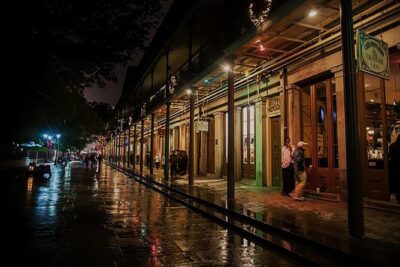
New Orleans Premier Ghost, Voodoo and Vampire Walking Tour
Read our review →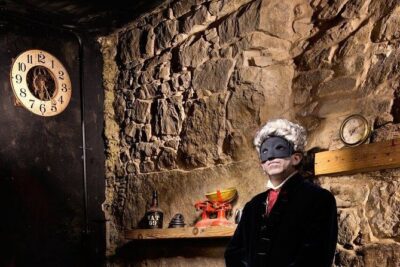
Haunted Underground Vaults and Graveyard Tour
Read our review →
Adults-Only New Orleans Ghost, Crime, Voodoo, and Vampire Tour
Read our review →
Ghost Walking Tour Where Legends Come To Life
Read our review →