
Review · SALEM
Salem Voodoo, Vampires, and Ghosts Guided Walking Tour
Salem’s darker past comes alive on this 90-minute night walk, where the witch trials share the stage with voodoo lore, vampire stories, ghost photographs, and even a little Harry Houdini. The guides are historians and paranormal investigators rather than costumed performers, so the evening aims to tell you what is documented, what is folklore, and what remains hard to explain.
I like two things here. First, the tour gives the 1692 witch trials more context than the usual spooky retelling, especially around Giles Corey and Tituba. Second, guides such as Mike, Vin, and Dr. Vitka bring personal research, local stories, and ghost-hunting methods into the walk. The main consideration is tone: some stories involve torture, murder, blood drinking, and alleged paranormal activity, so this is not a gentle history stroll for very young children.
Key points to know
- The witch trials get serious attention: Learn about Giles Corey, Tituba, the Puritan setting, and the judges connected to the trials.
- The route covers 13 Salem stops: Expect cemeteries, former trial locations, haunted buildings, film sites, and places tied to local legends.
- Nighttime is part of the mood: Evening tours run daily, with afternoon departures available on weekends.
- The guides investigate as well as narrate: You may see paranormal photographs and learn how ghost hunters assess orbs, ectoplasm, and apparitions.
- The tour goes beyond witches: Salem’s vampire folklore, modern blood-drinking cases, Houdini, Hocus Pocus, and notorious crimes all enter the story.
- It is easy to join: Meet at the Revere Bell by the Salem Visitor Center, then walk back to the same meeting point.
Starting at the Revere Bell in Salem
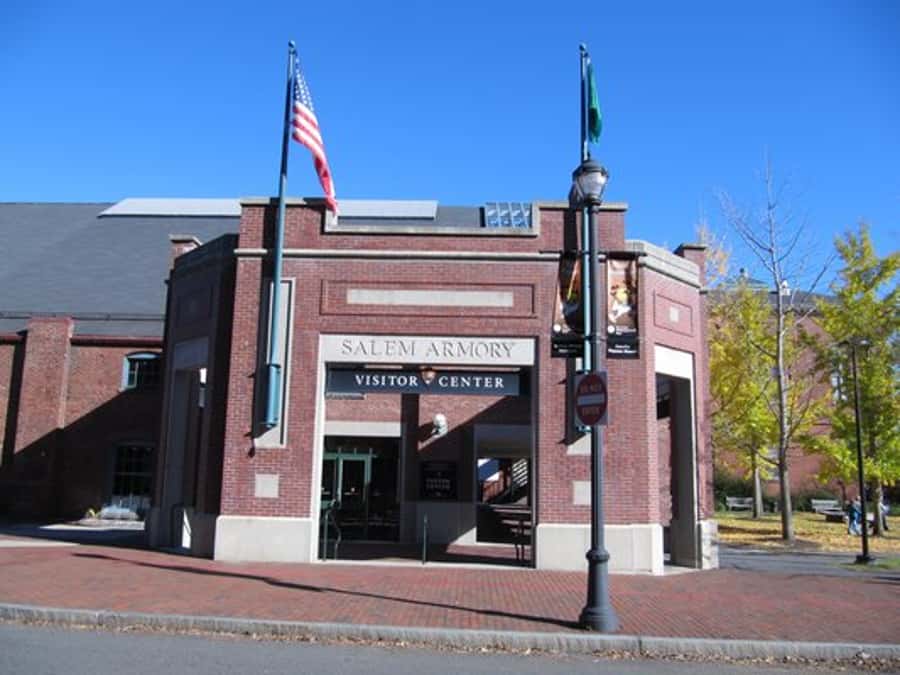
The tour begins at 2 New Liberty Street, by the Revere Bell in front of the Salem Visitor Center. This is a sensible starting point because you are already near Salem’s historic center, and the tour remains on foot from there.
The walk lasts about an hour and a half. The route includes 13 stops, but most visits are short, usually between three and 10 minutes. That pace keeps the evening moving, though it also means you will hear a lot of stories without lingering long at each site.
You can join a daily evening departure, when darkness adds a natural chill to the old streets. On weekends, an afternoon option is available. I would choose the evening if the ghost stories are your main reason for booking, while the afternoon makes sense if you prefer clearer views of gravestones and buildings.
The group can include up to 40 people. That is large enough to create energy, but it may make it harder to hear if you drift toward the back. Stay near the guide, especially around Central Street and other busy parts of downtown.
More Ghost Walking Tours in Salem
- Bewitched Walking Tour of Salem
★ 5.0 · 1,895 reviews - Best Salem Witch Trials Historical Walking Tour
★ 4.0 · 743 reviews - Requiem for Salem Walking Ghost Tour
★ 4.5 · 562 reviews
Giles Corey and the harsh side of the witch trials
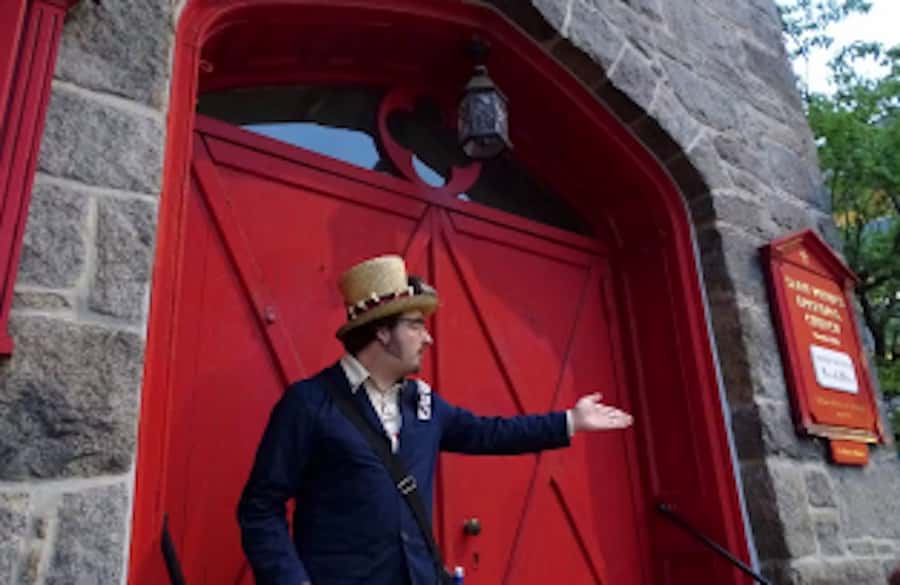
The first stop takes you through streets connected with the Salem Witch Trials. Rather than treating the trials as a simple tale of witches and curses, the guide sets the scene for Salem’s religious fear, legal panic, and public accusations.
At 15 Federal Street, you hear the grim story of Giles Corey. This is identified as the place where Corey was pressed to death after refusing to enter a plea. Heavy stones were placed on him, and the story is among the most disturbing on the route.
The guide also connects Corey’s final words with a supposed curse on Salem. You can treat that as folklore, but the historical event itself is grim enough without supernatural decoration. This is one of the tour’s strongest moments for people who want the human cost of the trials made clear.
At 24 St. Peter Street, the group pauses at a church graveyard with ties to the trials. The antique stones make a good photo subject, but the stop is brief. Do not expect time for a full cemetery visit.
The Witch Dungeon and Tituba’s complicated story
The former dungeon site at 10 Federal Street is one of the central stops. Accused witches were held in Salem while awaiting trial and execution, and the guide explains the Puritan beliefs and fears that helped drive the crisis.
Tituba receives special attention here. She was an enslaved woman accused during the witch panic, and her testimony helped fuel the accusations. The tour also discusses claims that she practiced or knew forms of voodoo. That part of the story needs care, since the historical record and later legends do not always match neatly.
That tension is one reason this stop works. You are not simply handed a spooky character and told to accept the legend. The guide connects slavery, religious fear, courtroom pressure, and later popular ideas about voodoo. The result is more useful than a quick claim that Tituba was simply a witch.
The former dungeon is also presented as one of Salem’s most active haunted places. You are encouraged to take photographs, then compare them with examples collected by the guides. If you enjoy paranormal investigation, this is likely a highlight. If you prefer strictly documented history, you can focus on the site’s legal and social background and treat the ghost claims as local tradition.
Bridget Bishop, a telephone demonstration, and Hocus Pocus
At Turner’s Seafood at Lyceum Hall, the route reaches land associated with Bridget Bishop, one of the people executed during the trials. The spot has another surprising connection: Alexander Graham Bell demonstrated his telephone there for a large audience.
That combination gives the tour some welcome variety. Salem is not only a town of witchcraft stories and old graves. It also has links to science, public demonstrations, and later American culture.
The building is also tied to repeated ghost reports, including physical sensations and unusual photographs. The guide may show images connected with investigations at the site. Keep your expectations sensible. You are looking at a working downtown location, not a preserved haunted attraction.
Old Town Hall provides a lighter pause. It was used as a filming location for Hocus Pocus, including the famous I Put a Spell On You ball scene. Fans of the movie will want a photo, while history-focused visitors get a quick reminder of how modern entertainment has shaped Salem’s identity.
More Ghost Walking Tours in the USA
- Salem’s Spooky Spectres Walking Ghost Tour
★ 4.5 · 272 reviews - The Ghosts of Salem Walking Tour
★ 4.5 · 261 reviews - Self-Guided Smartphone Ghost Walking Tour in Salem
★ 4.5 · 225 reviews - New Orleans Premier Ghost, Voodoo and Vampire Walking Tour
★ 4.5 · 12,856 reviews
Salem’s vampire folklore at Derby Square
At Derby Square, the subject shifts from witches to vampires. The guide covers New England vampire legends, along with documented cases involving people who drank blood in modern times.
This is one of the more unusual parts of the walk. Many Salem tours stay with the 1692 trials, so the vampire material gives this experience a broader horror theme. The stories are described as bloody and disturbing, not as polished fantasy.
You should also know that vampire folklore in New England is a mix of belief, local tradition, illness, death customs, and later storytelling. The value here is hearing how those ideas took shape and why Salem became linked with them. If your interest is only in the witch trials, this section may feel like a detour. If you enjoy the stranger corners of American folklore, it adds a memorable change of pace.
Houdini, notorious crimes, and a haunted bar
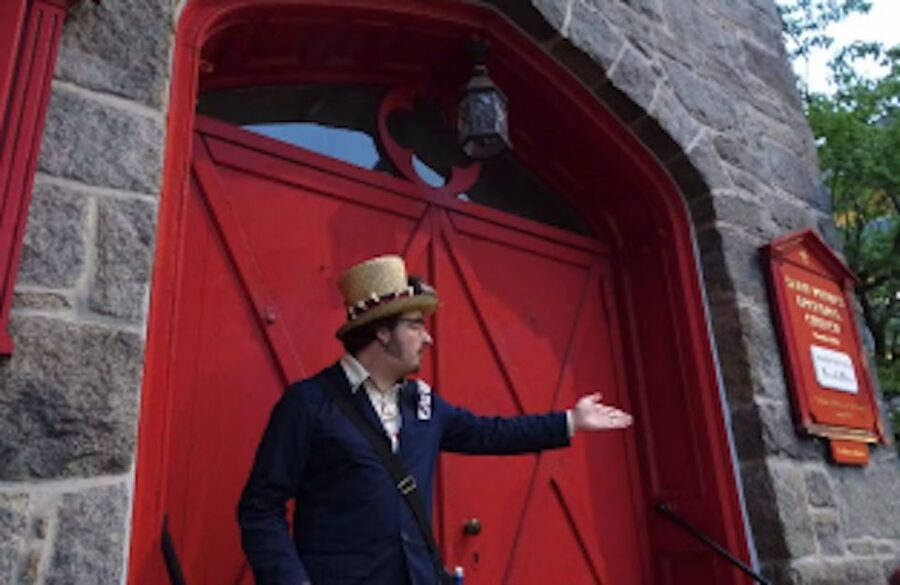
At Houdini Way, the guide points out where Harry Houdini performed a dramatic escape in Salem. It is a short stop, but it helps break up the heavier material.
Central Street brings a darker modern subject. The route discusses murders associated with the Boston Strangler and Carl Panzram. This section is more about crime than ghosts, and the details may be unsettling. It also shows how the tour treats Salem as a town with many kinds of dark stories, not just the 17th-century trials.
At 300 Derby Street, you pause outside a haunted bar. The stop lasts only a few minutes, so think of it as a quick marker on the route rather than a bar visit or a chance to sit down. The tour does not describe food, drinks, or entry as part of the experience.
The Burying Point and Salem’s oldest stories
The Burying Point, dating to 1636, is one of the most important historical stops. It is among the oldest cemeteries in the United States and includes the graves of witch-trial judges and townspeople who lived through the crisis.
You will see the tombstone of Judge John Hathorne, one of the officials connected with the trials. Nathaniel Hawthorne also spent time in the cemetery during his life, and the tour plays with the idea that his presence may linger there after death.
This is where the tour’s historical and supernatural sides meet most clearly. The cemetery matters because of the people buried there, not only because it is described as haunted. It is also presented as a place used for modern magical rituals, adding a present-day layer to an old site.
Be respectful here. Cemeteries are active places of memory, not stage sets. The guide’s job is to tell the story, but your job is to keep your voice down, avoid touching stones, and take care with photographs.
The Peabody Essex Museum and final ghost photographs
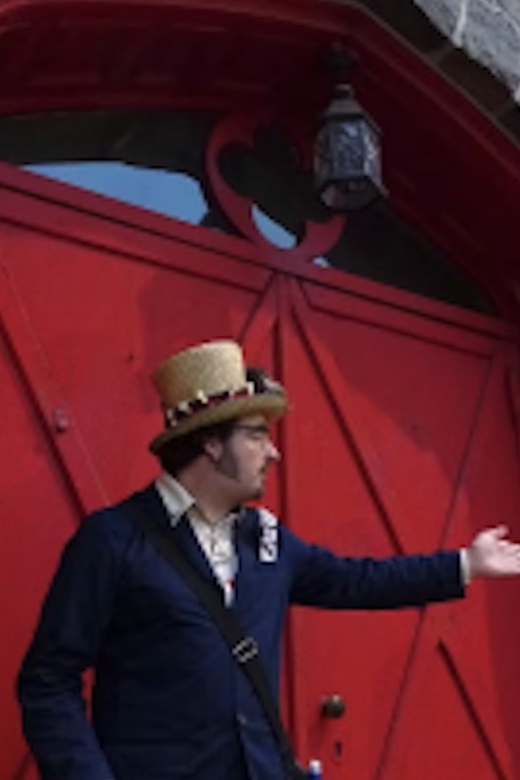
The route passes the Peabody Essex Museum, a major art museum that contains artifacts connected with Salem’s darker past. Admission is not included, and the walking tour does not function as a museum visit. You see the exterior and hear about its connection to unusual objects and local stories.
This stop is useful if you are planning a separate museum visit. You can mark it for later rather than trying to fit it into the walking tour itself.
The final stop is Axelrod Walkway Park, where the guides share ghost photographs gathered during their investigations. This gives the tour a practical finish. Instead of only telling you that a place is haunted, the guide explains what paranormal investigators look for in an image, including orbs, ectoplasm, and possible apparitions.
You can also ask for help examining your own photos. That does not guarantee you will capture anything unusual, but it gives you a clearer way to think about blurry shapes, reflections, dust, and other common explanations. I like this element because it turns the audience from passive listeners into active observers, while leaving room for doubt.
What the guides do well
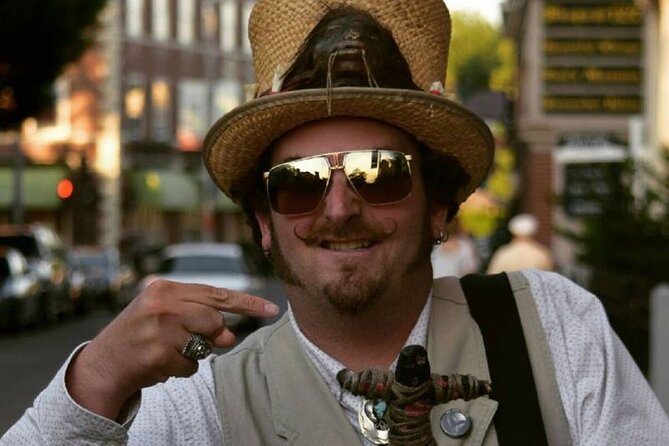
The guide can make or break a walking tour, and this experience depends heavily on delivery. Mike, Vin, and Dr. Vitka are among the names associated with the tour, and the strongest descriptions of their style point to clear speaking, dramatic storytelling, humor, and close attention to the group.
A good guide here needs to do more than recite dates. The best moments come when the story connects a person, a place, and a larger idea. Giles Corey becomes more than a gruesome tale. Tituba becomes part of a complicated story about enslavement and accusation. The vampire section becomes a look at how folklore grows.
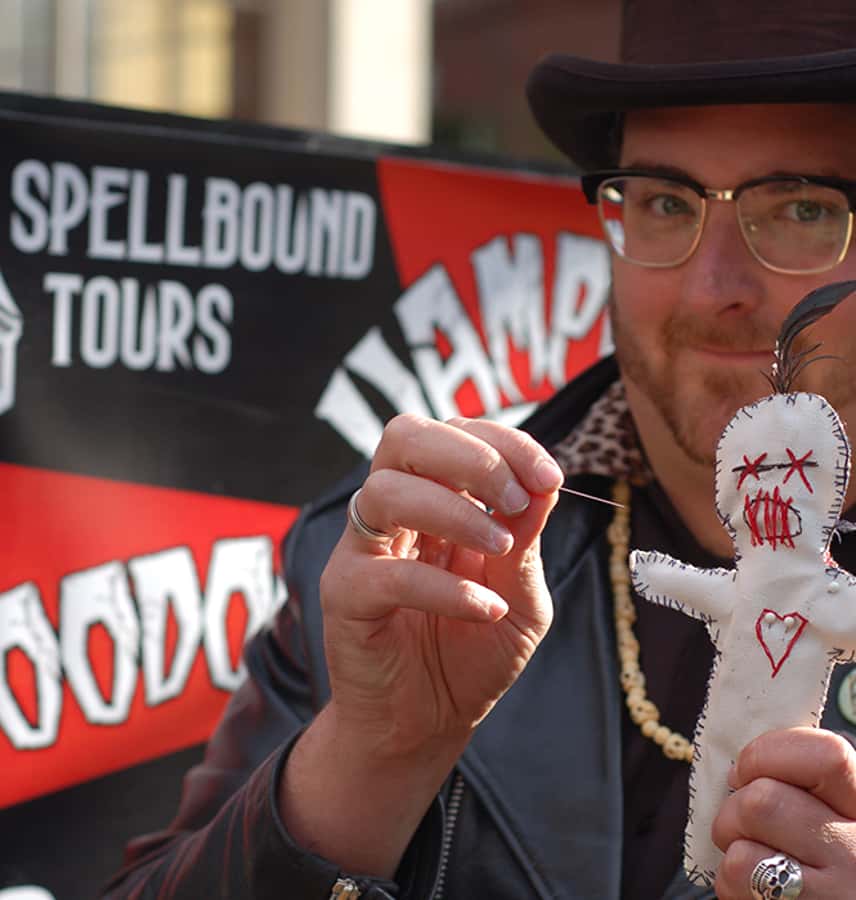
The guides are not costumed actors. That matters if you want a theatrical ghost show with props and staged scares. It may disappoint you if that is your preferred style, but it is a strength if you want a guide who can discuss historical evidence and paranormal claims in the same walk.
Timing, walking, and group comfort
The tour is described as an easy walk through Salem’s center. Most people can take part, and service animals are allowed. Well-behaved pets are also welcome, which is unusual for a ghost tour, though you should still be ready for crowds, traffic, and stops near busy streets.
Children must be with an adult. Because the route includes torture, executions, murder, blood drinking, and ghost stories, I would use your own judgment before bringing a young child.
Wear shoes suitable for walking and dress for the evening. The tour runs outdoors, and the weather can turn cold or windy. One particularly useful point from the experience is that the walk can still be enjoyable in poor weather, but comfort will depend on your clothing.
The meeting point and ending point are the same, at 2 New Liberty Street. That makes the tour easy to pair with dinner or another downtown activity. The group size can reach 40, so arrive ready to stay close and listen carefully.
Is the tour worth the price?
The exact booking price is not provided here, so I cannot judge the dollar amount. I can judge the value of the format.
You receive 90 minutes with an English-speaking guide, a broad route through central Salem, historical context, local folklore, and paranormal photographs. The stops themselves do not require separate admission, apart from the Peabody Essex Museum, which is not included.
That is good value if you want an overview of Salem in one evening and plan to explore individual sites later. It is less useful if you want long visits inside buildings, a museum tour, or a focused academic lecture on the witch trials.
The strongest value comes from the range of subjects. In one walk, you cover the trials, Tituba, Giles Corey, Bridget Bishop, vampire folklore, Houdini, Hocus Pocus, notorious crimes, cemeteries, and ghost-hunting methods. That variety makes it a good first activity in Salem because it helps you decide what deserves more of your time.
Who should book this Salem ghost tour?
I would choose this tour if you want history with a spooky edge rather than a pure scare attraction. It suits couples, friends, solo visitors, and families with older children who can handle grim subjects.
It is especially good for you if:
- You want the witch trials explained alongside local legends.
- You enjoy hearing how paranormal investigators work.
- You like personal stories and photographs from the guide’s own investigations.
- You want to see Salem’s central sights without arranging several separate visits.
- You are a Hocus Pocus fan and want a quick film-location stop.
- You prefer a guide who speaks plainly rather than wearing a costume.
I would choose another experience if you want a quiet cemetery visit, a strictly academic history program, or a tour built around theatrical actors and jump scares. This walk occupies the middle ground: serious about Salem’s past, open to paranormal claims, and willing to tell some very dark stories.
FAQ
How long is the Salem Voodoo, Vampires, and Ghosts Guided Walking Tour?
The tour lasts approximately 1 hour and 30 minutes.
Where does the tour begin?
It begins at 2 New Liberty Street in Salem, by the Revere Bell in front of the Salem Visitor Center.
Where does the tour end?
The tour ends back at the meeting point.
Is the tour offered in English?
Yes. An English-speaking guide is included.
When does the tour run?
An evening tour is offered daily. An afternoon option is available on weekends.
How many people can join the tour?
The activity has a maximum group size of 40 people.
Are the guides costumed actors?
No. The guides are described as licensed public guides, historians, and paranormal investigators rather than costumed actors.
Does the tour include admission to the Peabody Essex Museum?
No. Admission to the Peabody Essex Museum is not included.
Can I bring a service animal or pet?
Service animals are allowed, and well-behaved pets are welcome.
Can I cancel for a full refund?
Yes, if you cancel at least 24 hours before the experience starts. Cancellations made less than 24 hours before the start time are not refundable, and changes within that period are not accepted.
Should you book it?
Book this tour if you want Salem’s witch trials placed beside its stranger stories, from Tituba and Giles Corey to vampires, haunted bars, ghost photographs, and Hocus Pocus. The guides bring strong storytelling and real interest in both history and paranormal research.
Skip it if you want an indoor museum program or a carefully limited account of documented events. For most visitors looking for an easy evening introduction to Salem, this is a well-rounded choice, with enough history to give the ghost stories substance and enough eerie material to keep the walk fun.
More Vampire Tours in Salem
- Ghost and Vampire Walking Tour Of The French Quarter
★ 4.5 · 2,406 reviews - Buda Castle District Dark History, Legends and Vampire Night Tour
★ 4.5 · 1,240 reviews - New Orleans: 2-Hour Ghosts & Vampires Walking Tour
★ 4.5 · 465 reviews - New Orleans Combo Tour: Voodoo, Vampire, and Ghost Tour
★ 4.5 · 327 reviews
More Voodoo Tours in Salem
- Adults-Only New Orleans Ghost, Crime, Voodoo, and Vampire Tour
★ 5.0 · 6,545 reviews - New Orleans Adults-Only Ghost, Voodoo and Vampire Tour
★ 5.0 · 3,291 reviews - New Orleans Haunted Ghost, Voodoo & Vampire Walking Tour
★ 4.5 · 2,731 reviews - Savannah: Ghosts, Asylums, Voodoo, and Horror Walking Tour
★ 4.5 · 383 reviews
Just added in Salem
- Self-Guided Smartphone Ghost Walking Tour in Salem★ 4.5 · 225 reviews
- The Ghosts of Salem Walking Tour★ 4.5 · 261 reviews
- Salem: 1692 Witchcraft Trials Walk★ 4.2 · 271 reviews
- Salem’s Spooky Spectres Walking Ghost Tour★ 4.5 · 272 reviews
- Salem Uncovered: Dark Stories of Salem Tour★ 4.5 · 307 reviews
- Black Cat Ghostly Night Tour in Salem★ 5.0 · 344 reviews
- Salem Ghost Tours: Witches & Wicked Whispers★ 4.2 · 436 reviews
- Salem: Boos and Brews Haunted Pub Crawl★ 4.1 · 411 reviews
Voodoo Tours, compared.
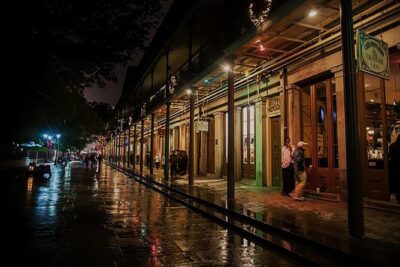
New Orleans Premier Ghost, Voodoo and Vampire Walking Tour
Read our review →
Adults-Only New Orleans Ghost, Crime, Voodoo, and Vampire Tour
Read our review →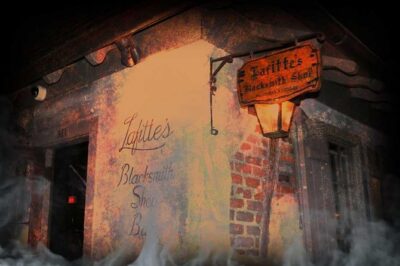
New Orleans Adults-Only Ghost, Voodoo and Vampire Tour
Read our review →
New Orleans Haunted Ghost, Voodoo & Vampire Walking Tour
Read our review →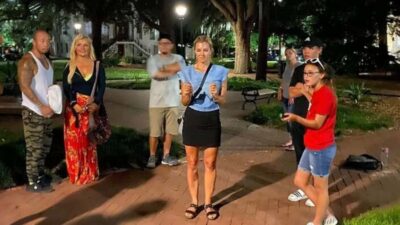
Ghosts, Asylums, Voodoo, and Horror Walking Tour
Read our review →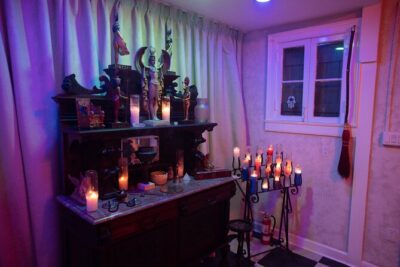
New Orleans Spirits & Spells: Witchcraft, Voodoo, and Ghost Tour
Read our review →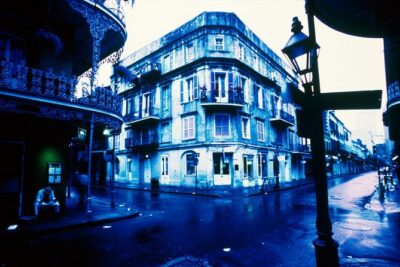
New Orleans Combo Tour: Voodoo, Vampire, and Ghost Tour
Read our review →
Adults-Only Uncensored Ghost, Vampire, and Voodoo Walking Tour
Read our review →Browse the lists this tour appears in