
Review · MASSACHUSETTS
Salem Village Witch Hunt Walking Tour
The most important thing to understand about this tour is that it takes you away from Salem’s busy visitor center area and into Danvers, the former Salem Village, where the 1692 witchcraft hysteria began. You’ll see the remains of the parsonage connected with Betty Parris and Abigail Williams, then walk to the Ingersoll Ordinary, a building dating to about 1670 where witchcraft hearings were held. I like the direct connection to the sites, and I like that historian and author Daniel A. Gagnon leads the walk. The main drawback is that it is a short seasonal tour with no bathroom and a path that is not suitable for people with mobility impairments.
I also appreciate that $5 from each ticket goes to the Danvers Historical Society. At $25, this is a modestly priced way to get local context that can be hard to find in Salem itself. Plan your transport carefully, wear sturdy shoes, and expect the tour to continue in rain or shine.
Key points at a glance
- The story begins in Danvers: Visit the former Salem Village, where the first accusations started before spreading through the North Shore.
- See the parsonage remains: Learn about the site tied to Betty Parris and Abigail Williams, whose fits set the crisis in motion.
- Visit the circa-1670 Ingersoll Ordinary: This early building was used for witchcraft hearings.
- Remember all 25 victims: The Witchcraft Victims’ Memorial gives the tour a solemn final focus.
- Meet historian Daniel A. Gagnon: The guide is a lifelong Danvers resident and author of A Salem Witch.
- Allow extra time for access: The tour begins and ends at the Training Field, but you must arrange your own ride from Salem.
Why Danvers matters more than the usual Salem stop
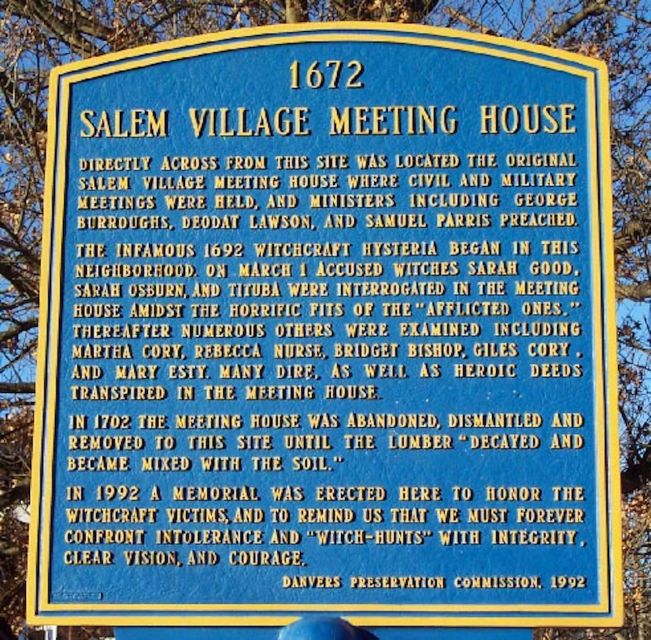
Salem is the better-known name, but Danvers is the place to visit if you want to understand how the crisis started. The town was formerly known as Salem Village, a separate community from Salem Towne, and the first accusations took shape here in February 1692.
That distinction matters. Salem’s central streets are filled with museums, shops, performances, and reminders of the trials. Danvers gives you a quieter setting and a more local sense of place. You are not simply hearing a famous story in the town that later became its public symbol. You are walking through the area where the first alarming events took place.
The tour focuses on how quickly fear moved through a small community. Two young girls began having fits, and the local doctor said they were under the Devil’s hand. That diagnosis helped set the witch-hunt in motion, turning neighbors against neighbors.
You do not need to arrive with a detailed grasp of the trials. The walk is designed to connect the main events to physical places. Still, if you have already visited Salem, this tour can correct the impression that the entire story happened in the modern city center.
More Ghost Walking Tours in the USA
- New Orleans Premier Ghost, Voodoo and Vampire Walking Tour
★ 4.5 · 12,856 reviews - Chicago: Gangsters and Ghosts Walking Tour
★ 5.0 · 7,155 reviews - Savannah History and Haunts Candlelit Ghost Walking Tour
★ 5.0 · 3,235 reviews
Meeting at the Training Field
The meeting point is beside the Training Field, near Ingersoll Parkway. Look for a rock and a blue sign explaining the history of the Training Field. You will meet the guide there, and the walk returns to the same spot at the end.
That fixed meeting point makes the tour easy to follow once you arrive. It also means you should not expect hotel pickup or a guide to collect you from Salem. Danvers is a short drive from Salem, and you can reach the meeting point by car or Uber, but you need to arrange that part yourself.
I would allow extra time if you are coming from Salem. The tour has set starting times on selected dates, and arriving late could mean missing the introduction or having trouble finding the group. Your confirmation email provides the meeting details and directions, so check it before leaving.
The Training Field is more than a practical starting place. It helps place the tour in the old community setting before you begin walking toward the sites tied directly to the accusations. You will finish here too, which makes it possible to leave your transport plan simple and predictable.
The parsonage site and the first fits
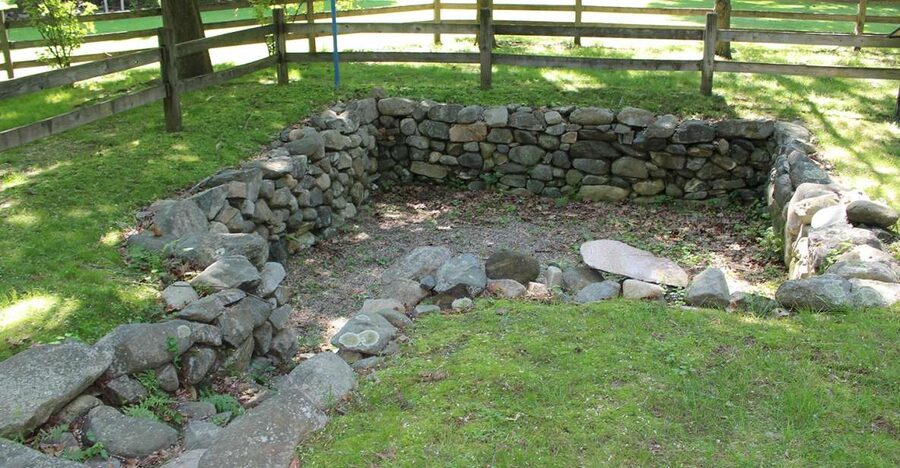
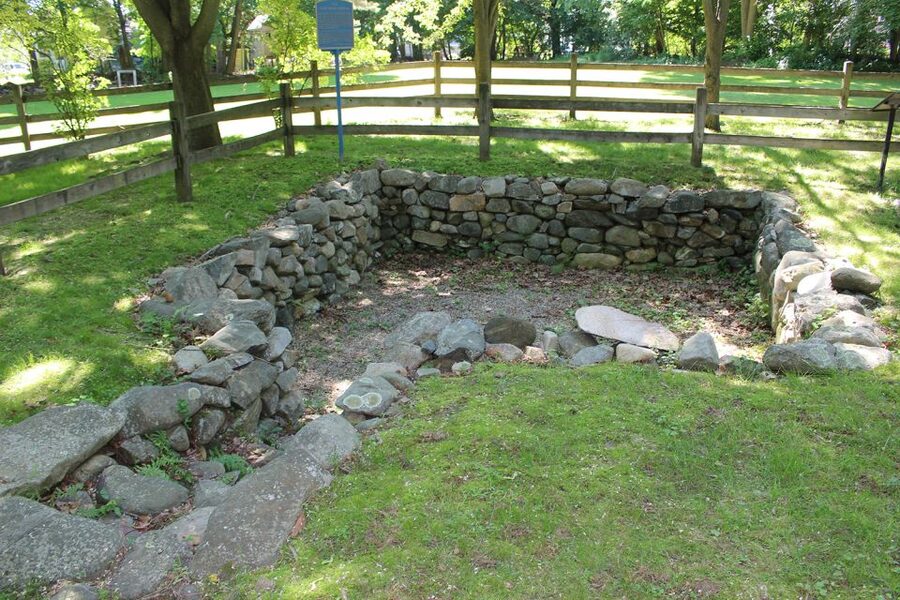
One of the most important stops is the archaeological site where the parsonage once stood. This is connected with Reverend Samuel Parris, whose nine-year-old daughter Betty and 11-year-old niece Abigail were among the first to show the strange fits that alarmed the community.
You will walk down a path to reach the site. The remains are not presented as a complete house, so set your expectations accordingly. This is a place where the physical evidence is limited, and the guide’s explanation does much of the work.
That is also why the stop is valuable. Seeing the location helps you place the opening events in a real community setting rather than treating them as a distant story from a textbook. The site gives the guide a natural point to explain who lived there, what happened to the girls, and how the doctor’s diagnosis helped fuel fear.
I like the way this stop shifts attention away from the supernatural claims themselves. The more useful question is how a medical judgment, religious anxiety, rumor, and local conflict combined to create a crisis. The location helps you think about those human causes.
The path may be manageable for many people who are comfortable walking outdoors, but the tour specifically warns that it is not suitable for people with mobility impairments. Comfortable shoes are essential. Since the walk goes ahead in all weather, shoes with dependable traction are a sensible choice.
The Ingersoll Ordinary, a rare surviving landmark
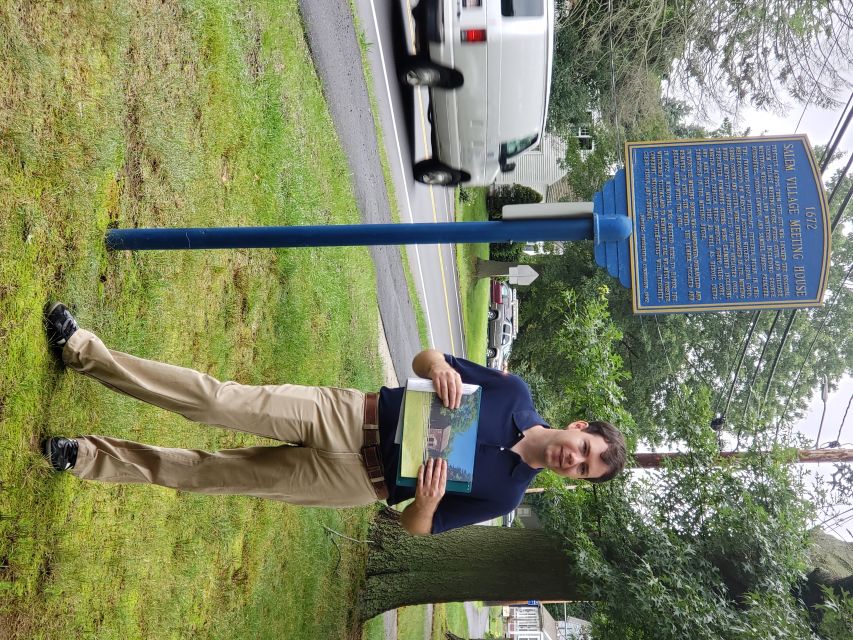
The Ingersoll Ordinary dates to about 1670 and is one of the tour’s strongest physical links to the period. An ordinary was an early public house, and this building was used for witchcraft hearings.
You will not just hear names and dates here. The building helps show where accusations were examined and where the legal process took on a public form. That makes the stop useful for anyone who wants to understand how the panic moved from private concern into formal hearings.
The Ingersoll Ordinary also offers something the parsonage site cannot. The parsonage remains are archaeological traces, while the ordinary is an old building that lets you look at a surviving piece of the setting. The contrast between the two stops gives the walk a good rhythm.
Daniel A. Gagnon leads the tour. He is a lifelong Danvers resident, a historian, and the author of A Salem Witch. The feedback about him is especially strong: his command of the subject and friendly manner are repeatedly praised, with one person noting that his explanations prompted serious thought about whether witchcraft was believed or practiced in that era. That is exactly the kind of question this tour should encourage.
Do not expect a theatrical ghost tour. The focus is historical explanation, local places, and the choices people made under pressure. If you prefer a guide who can connect the broad story to the exact town where it began, Daniel is a strong reason to choose this walk.
More Witch Tours in the USA
- Bewitched Walking Tour of Salem
★ 5.0 · 1,895 reviews - The Salem Witch Walk
★ 4.5 · 1,301 reviews - Wicked Awesome Tours: Witch Trial History and Salem Haunts!
★ 5.0 · 1,032 reviews - Best Salem Witch Trials Historical Walking Tour
★ 4.0 · 743 reviews
The Witchcraft Victims’ Memorial and the tour’s sober ending
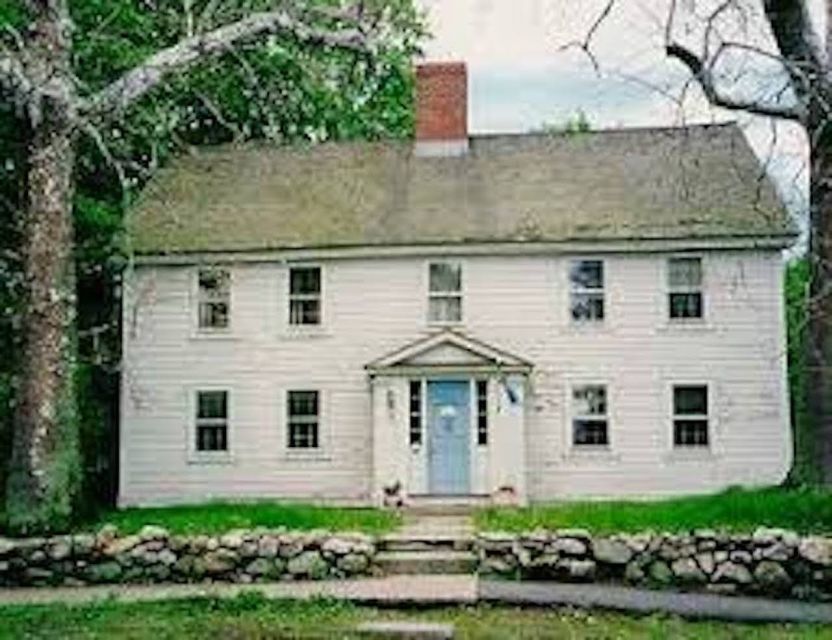
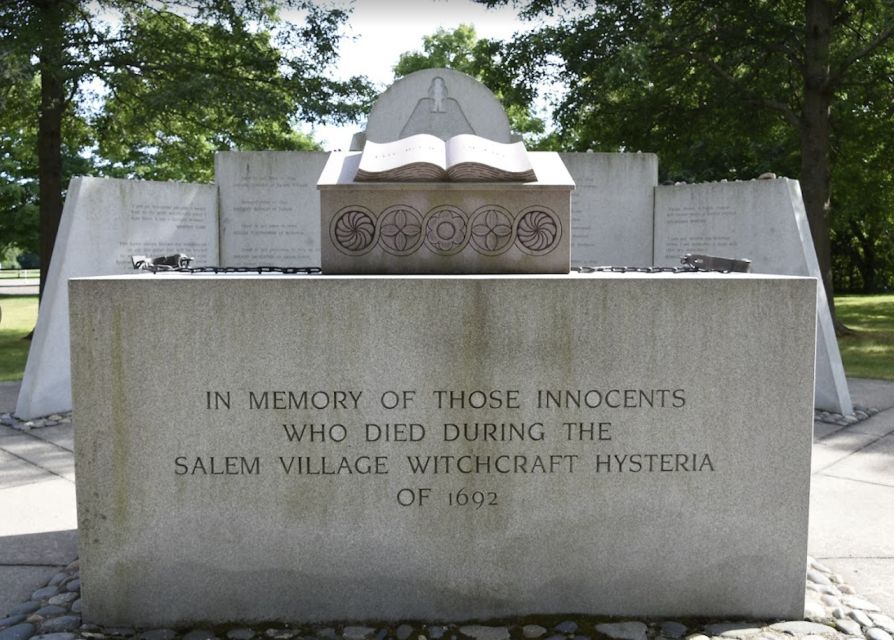
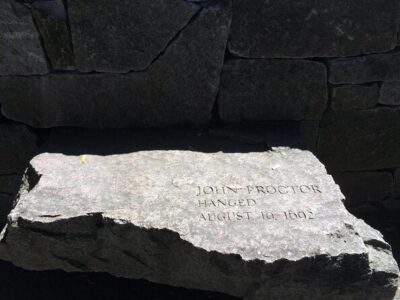
The tour includes the Witchcraft Victims’ Memorial, which honors the 25 people who died during the Salem witchcraft crisis. This stop gives the story a human scale.
It is easy to treat the trials as a strange episode filled with dramatic accusations, but a memorial makes the cost harder to ignore. People lost their lives, and the wider community was damaged by suspicion and fear. The memorial gives you a moment to move beyond the most familiar names and remember the full number of victims.
The placement of this stop within a short walking tour also matters. You begin with the first fits and the places tied to the accusations. You then see where hearings were held. Finally, you confront the deaths caused by the crisis. The route connects cause, process, and consequence without asking you to spend an entire day at a museum.
This is not a long memorial visit, and the tour lasts only 1.5 hours. Still, it is an important part of the experience. I would not rush this stop, even if the guide keeps the overall walk moving.
What $25 gets you
The price is $25 per person, which is fair for a 1.5-hour guided walk led by a local historian and author. You are paying for interpretation, not admission to a large museum or a collection of indoor exhibits.
The value depends on what you want from your Salem visit. If you only want famous photo stops in downtown Salem, this tour requires extra transport and a separate block of time. If you want to understand where the crisis began, the additional trip to Danvers adds something meaningful that you will not get from a general stroll through Salem.
The $5 donation from every ticket to the Danvers Historical Society also gives the fee a local purpose. It supports an organization connected to preserving and explaining the area’s past.
Food, drinks, and hotel transportation are not included. The tour does not provide a bathroom, so use facilities before meeting at the Training Field. These are small details, but they matter on a walking tour, especially if you are visiting with children or planning several activities close together.
Timing, weather, and practical comfort
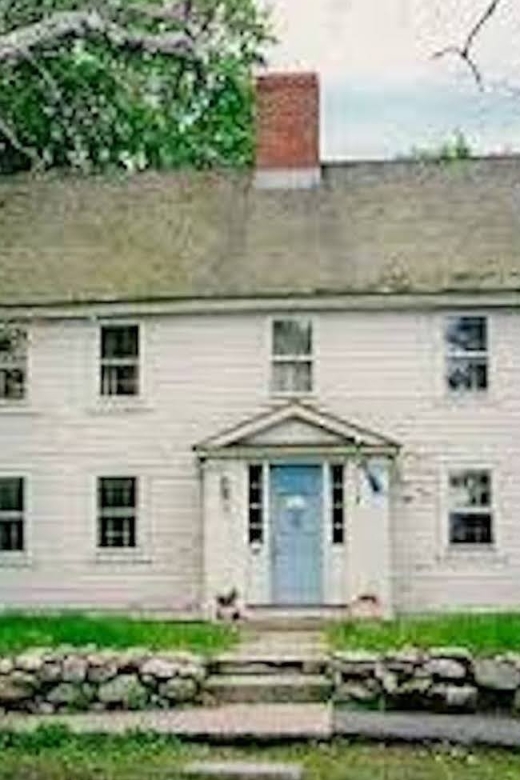
The tour runs on selected dates in July, August, September, and October. It is not a daily activity throughout the year, so check the available dates before building your Salem plans around it.
The walk takes place rain or shine. A light rain should not automatically put you off, but you should dress for the forecast and accept that the archaeological path may feel less comfortable in wet weather. There is no promise of indoor shelter or bathroom access during the tour.
Wear comfortable shoes. You will walk between sites and go down a path to the archaeological remains. The experience is not suitable for people with mobility impairments, and anyone who has difficulty walking on uneven outdoor paths should choose another way to learn about the trials.
The total duration is only 90 minutes, which works well if you are combining the tour with Salem museums or other North Shore stops. It is long enough to build a clear story without taking over the day. At the same time, the short format means the guide cannot cover every person, accusation, and legal detail from 1692.
Who will get the most from this walk
I would recommend the tour to anyone who has already seen Salem’s central attractions and wants a more grounded account of the witchcraft crisis. It is also a good first stop for people who want the setting explained before visiting Salem’s larger museums.
History readers should appreciate the connection to specific buildings and sites. The tour is also suited to curious visitors who do not know much about the trials, since the guide explains the basic sequence from the first fits to the hearings and deaths.
Families may find the short length manageable, but the subject is serious. The story includes fear, accusations, and 25 deaths, so parents should decide if that material suits their children.
This is less suitable for anyone seeking a fully indoor experience, a broad tour of modern Salem, or a dramatic ghost-story format. You also need to be comfortable arranging your own transport from Salem and walking outdoors in uncertain weather.
Should you book the Salem Village Witch Hunt Walking Tour?
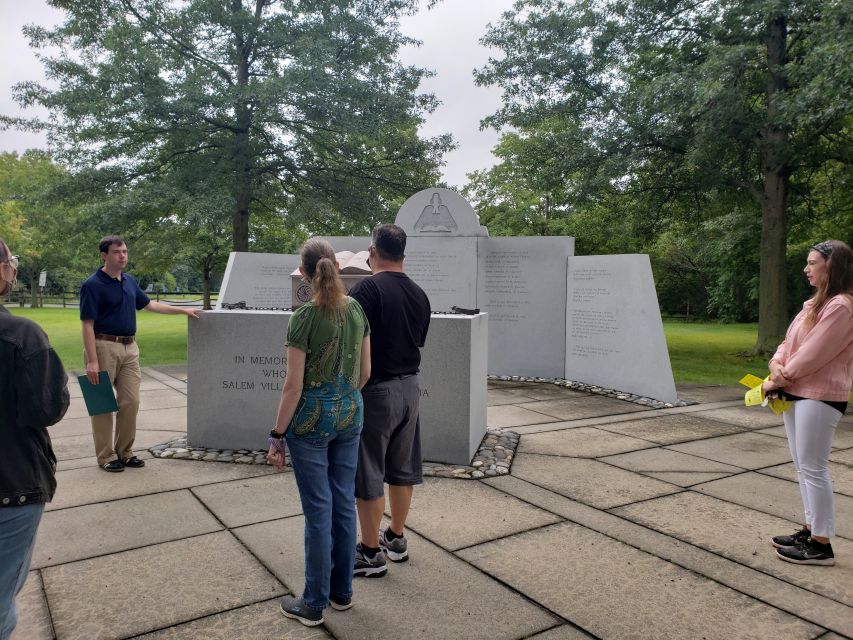
Book it if you want the places where the story began, not just the name Salem on a souvenir sign. The parsonage remains, Ingersoll Ordinary, and Witchcraft Victims’ Memorial create a clear route through the crisis, while Daniel A. Gagnon’s local background gives the walk a strong personal connection to Danvers.
The tour is especially good value at $25, with part of each ticket supporting the Danvers Historical Society. Just plan around the seasonal dates, bring comfortable shoes, use a bathroom before you arrive, and arrange your own ride.
Skip it if mobility limits make the path difficult, or if you need indoor facilities and weather protection. For most people interested in the real starting point of the 1692 witchcraft hysteria, this is a focused and worthwhile addition to a Salem visit.
FAQ
Where does the tour begin?
The tour begins at the Training Field beside Ingersoll Parkway. Meet the guide next to a rock and a blue sign explaining the history of the Training Field.
Where does the tour end?
The walk ends back at the Training Field meeting point.
How long does the tour last?
The tour lasts 1.5 hours. Starting times vary, so check availability when booking.
Is transportation from Salem included?
No. Hotel pickup and drop-off are not included. Danvers is a short drive from Salem, and you can drive or use Uber to reach the meeting point.
Is the tour available throughout the year?
No. It takes place on selected dates in July, August, September, and October.
Are bathrooms available during the tour?
No bathrooms are available, so plan to use one before arriving at the Training Field.
Just added in the USA
- Zion: Harry Potter-Inspired Zion Ghost Tour with Sunset View★ 5.0 · 8 reviews
- Wraiths of the West Texas Wind: El Paso Ghost Tour★ 4.5 · 9 reviews
- Wraiths & Wicked Whispers: Wilmington Ghost Tour★ 4.2 · 25 reviews
- Witches, Widows, & Wraiths: Wichita Ghost Tours★ 5.0 · 2 reviews
- Williamsburg: Dead of Night Tour with Paranormal Equipment★ 4.6 · 3 reviews
- Wilmington: Boos and Booze Haunted Pub Crawl★ 4.0 · 8 reviews
- Williamsburg: Haunted Ghosts, Witches, and Pirates Tour★ 4.5 · 107 reviews
- Williamsburg: Dead of Night Paranormal investigations Tour★ 5.0 · 4 reviews
Witch Trial & Witchcraft Tours, compared.

Wicked Awesome Tours: Witch Trial History and Salem Haunts!
Read our review →
Best Salem Witch Trials Historical Walking Tour
Read our review →
Browse the lists this tour appears in