
Review · LONDON
Jack the Ripper Tour Whitechapel
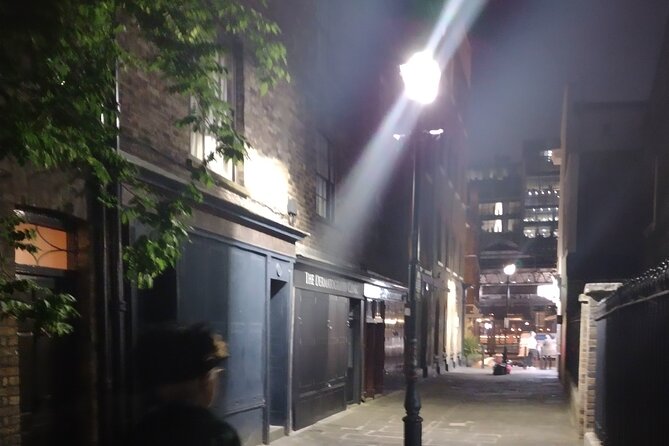
The most compelling part of this Jack the Ripper walk is its setting. You move through the actual Whitechapel streets after dark, from the White Hart to Brick Lane and Spitalfields, while the guide explains not only the murders but also the poverty, crowded housing, and hard daily life of Victorian residents. The route feels grounded in place rather than built around cheap shocks.
I like the strong social context and the use of visual material, including photographs of victims’ graves and memorials. I also like the guides’ different styles: Jenny brings careful research and theories, Celine uses clear narration and images, and Lindsay adds theatrical energy. The main drawback is that the advertised time is about 1 hour 15 minutes, while some outings have lasted two hours or more, so you should allow extra time and prepare for a long walk in cold weather.
Key points about the Whitechapel walk

- Starts at 7:00 pm by the White Hart: The evening timing gives the narrow streets a suitably somber atmosphere.
- Covers real crime locations: Stops include the sites linked with Martha Tabram, Polly Nichols, Annie Chapman, and Mary Kelly.
- Adds Victorian social history: The guide explains poverty, social deprivation, working life, and the conditions behind the headlines.
- Uses visual aids: Guides have used an iPad or other images to show victims, memorials, and evidence.
- Ends near Liverpool Street: The final point at Bell Lane is a short walk from Liverpool Street Station.
- Not suitable for young children: Nobody under 14 may join, and those aged 14 to 16 need an adult.
Why this tour is about more than the killer
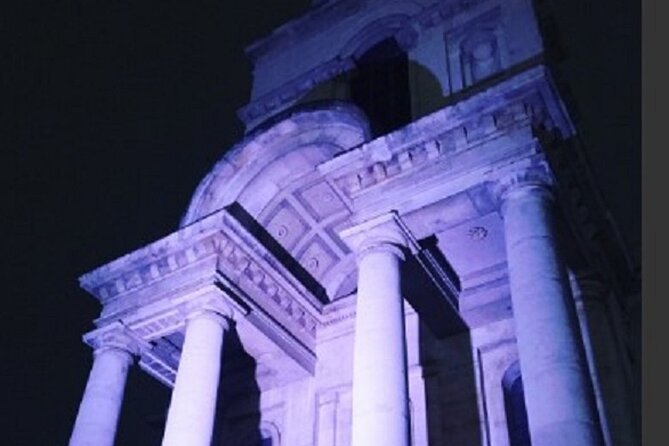
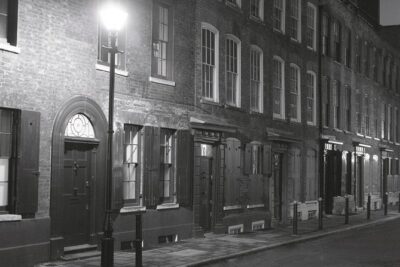
A Jack the Ripper tour can easily become a parade of grisly details. This one works better when it explains the neighborhood that produced the case and the people who lived there. The opening discussion behind the White Hart introduces the poverty and social deprivation of late nineteenth-century Whitechapel, giving you a clearer idea of why the district had such a harsh reputation.
That context matters. The women connected with the case were not simply names in a murder story. They lived in a poor part of London, and their daily choices were shaped by insecure work, low wages, alcohol, overcrowding, and a lack of safe options. The guide’s effort to explain those pressures gives the walk a more respectful tone.
I also like that the route takes you away from the usual central London sights. Whitechapel, Brick Lane, and Spitalfields have changed in many ways, but the walk helps you connect modern streets with the older city beneath them. You are not just hearing a list of suspects. You are trying to understand how the area functioned at night and why the police investigation became so difficult.
The evening departure is useful for atmosphere. It is not a theatrical haunted-house event, but darkness naturally makes the old streets feel more serious. If you prefer bright daylight and a brisk sightseeing walk, an evening crime tour may not be your ideal London activity.
More Jack the Ripper Tours in London
- London: The Original Jack the Ripper Walking Tour
★ 4.7 · 7,833 reviews - London Jack the Ripper Guided Tour with Ripper-Vision
★ 4.5 · 4,840 reviews - London: Jack the Ripper Small Group Tour
★ 4.7 · 3,159 reviews
Starting behind the White Hart on Whitechapel High Street
Meet at the White Hart, at 89 Whitechapel High Street, and expect a short introduction near Gunthorpe Street. The guide sets the social scene before the group begins moving through the area.
This is a good opening because it avoids dropping you straight into sensational details. You first hear about the poverty and difficult living conditions that shaped Whitechapel. The murder case then becomes part of a wider story about Victorian London, rather than the whole story.
The meeting point is near public transport, and the tour finishes close to Liverpool Street Station. That makes it easy to pair with dinner in Brick Lane or to continue your evening from the City of London side. The walk is not described as a strenuous hike, but you should have a moderate level of fitness and be ready to remain outdoors throughout.
Gunthorpe Street and the Martha Tabram connection
The next stop is near the Gunthorpe Street workshops, opposite the location linked with the murder of Martha Tabram. The stop itself is brief, about five minutes, but it helps establish the pattern of the case and the uncertainty around which crimes should be connected to Jack the Ripper.
Do not expect a preserved crime scene. These are ordinary city streets, and modern buildings and businesses have changed the surroundings. The value comes from standing in the same part of Whitechapel while the guide explains what happened and how the investigation was understood at the time.
The contrast between a busy modern neighborhood and the grim events associated with it can be striking. I find this kind of location-based explanation more useful than viewing crime memorabilia in a museum, because the street layout and distances become part of the evidence.
Brick Lane and Polly Nichols’ last drink
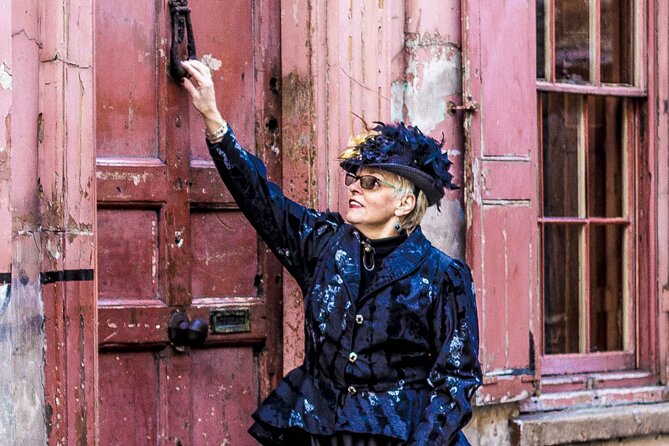
At 9 to 11 Brick Lane, the group pauses at the site associated with the Frying Pan pub, where Polly Nichols is said to have had her last drink. This is another short stop, around five minutes, but it places one of the victims into a recognizable sequence of events.
Brick Lane is now known for food, shops, and nightlife, so this section can feel especially different from the Whitechapel of 1888. The guide’s role is to bridge that gap without pretending the modern street looks unchanged. You get a sense of the route through the district, while the surrounding restaurants offer an easy option for food after the walk.
I would save dinner for afterward. The tour begins at 7:00 pm, and Brick Lane is a practical place to warm up or eat once you reach the end. The timing also means you should have a snack beforehand if you tend to get hungry during an evening walk.
Same streets, a very different kind of fright:
- Ghost, Ghouls and Gallows Tour : Guided Tour with Boat Ride
★ 4.5 · 3,212 reviews - London Jack The Ripper Guided Walking Tour
★ 5.0 · 3,131 reviews - London: Comedy Horror Ghost Tour on a Bus
★ 4.4 · 2,084 reviews - London: Jack the Ripper Tour with Immersive Ripper Vision
★ 4.5 · 1,840 reviews
Hanbury Street and Annie Chapman’s murder site
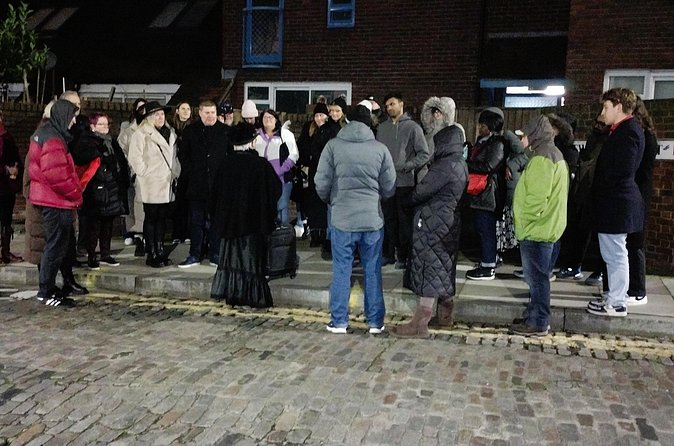
At 29 Hanbury Street, the guide discusses the murder of Annie Chapman. The stop lasts about five minutes, so expect a focused explanation rather than a long lecture at each location.
This is one of the points where the social setting becomes especially important. The guide can explain how yards, workshops, lodging houses, and back streets fitted into the area’s daily life. The crime did not take place in an isolated historical setting. It happened in a working neighborhood where people lived close together, yet where poor residents could remain vulnerable and overlooked.
The route through Hanbury Street also gives you a sense of how the walk is structured. You move between short explanations and short stretches of walking, which keeps the evening active. Still, the experience depends heavily on the guide’s ability to make a location meaningful, since there are no large monuments or preserved interiors to inspect.
Princelet Street and the double event
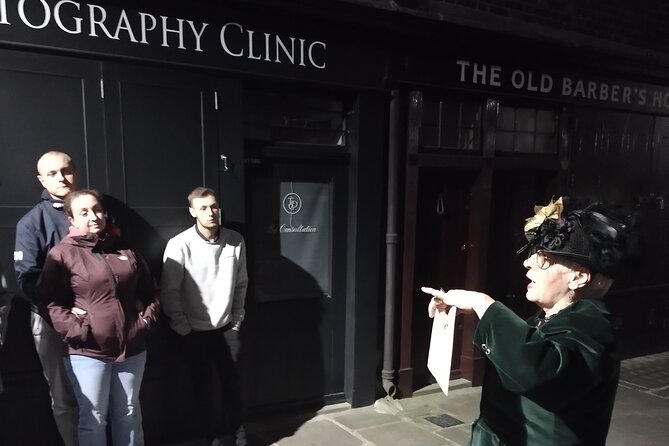
The stop outside 4 Princelet Street covers the night known as the double event. The building is described as dating from the 1700s, making this one of the more visually interesting points on the route.
The older structure helps you picture the age of the neighborhood, though you should not expect the building to be presented as an untouched murder site. The guide uses the location as a setting for the story and for the question of how the crimes may have unfolded across Whitechapel.
This is also a good point for hearing competing ideas. Guides such as Jenny have offered theories about likely suspects and backed them with evidence, while making clear that the killer’s identity remains unresolved. I appreciate that approach. A good guide should give you clues, contradictions, and context, not claim a certainty that the case does not provide.
Puma Court and the letters

At 6 Puma Court, the group hears about the letters connected with the case. This stop takes about five minutes and shifts attention from the crime scenes to the public panic and press coverage that helped create the Ripper legend.
The letters are important because they show how the investigation was shaped by communication, rumor, and publicity. The case was not only a police matter. It became a story that spread through newspapers and the public, encouraging speculation about the killer and adding to the fear in the district.
This is another place where the guide’s presentation makes a difference. Celine has used clear visual aids and spoken without a microphone while still keeping the group connected. That can help when the walk pauses in a narrow street, although a group of up to 40 people may make it harder to hear at times.
Spitalfields, the Ten Bells, and Mary Kelly Corner
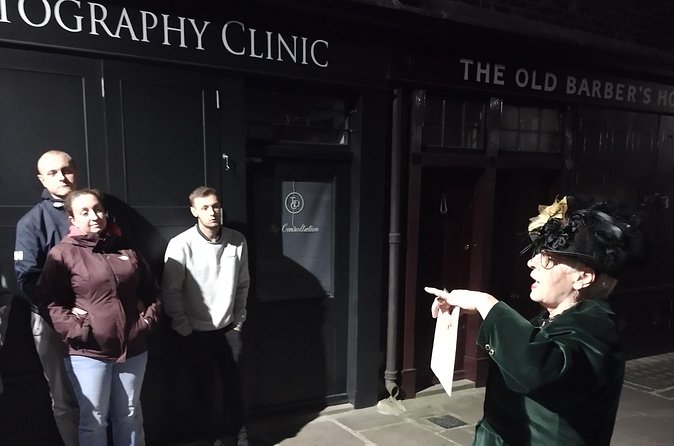
The seventh stop brings you to Spitalfields Market, near the Ten Bells pub and Mary Kelly Corner at the junction of Brushfield Street and Commercial Street. The location gives you one of the clearest links between the Ripper story and the district’s surviving pub culture.
The Ten Bells is a familiar name in accounts of the case, but the guide should help you separate established facts from later storytelling. The area has attracted layers of legend, and the best part of the walk is learning which details are supported and which remain disputed.
This is also a useful place to notice how much London changes after dark. Spitalfields is now a major destination for food, shopping, and nightlife. The tour uses that modern setting to show how old streets can carry very different meanings over time.
Lindsay’s style, described as theatrical and energetic, may appeal to you if you want a more dramatic presentation. If you prefer a quieter academic talk, Jenny’s measured explanations and attention to social background may suit you better. The provider uses more than one guide, so the tone can vary by evening.
The London Fruit & Wool Exchange and Mary Kelly
The final major stop is inside the courtyard of the London Fruit & Wool Exchange at 60 Brushfield Street. Here the guide discusses Mary Kelly’s murder at 13 Miller’s Court and possible suspects in the case.
The courtyard gives the final section a clear sense of place, but it is worth keeping expectations realistic. The original crime scene is not presented as a preserved attraction, and the modern surroundings can make the connection difficult to picture without the guide’s explanation.
This is where the tour’s wider themes come together. You have followed streets associated with several victims, heard about the conditions in which poor women lived, and considered the evidence surrounding the suspect theories. The guide may offer a view on who was most likely responsible, but the value is in understanding the arguments rather than receiving a neat answer.
The route ends at Bell Lane, a few minutes from Liverpool Street Station. That is convenient for getting home, but it also means the group may disperse quickly. Plan your onward route before the final stop, especially if you are unfamiliar with the area.
Guide style, group size, and timing
The experience is advertised at about 1 hour 15 minutes, but the actual length can vary. Some outings have run for around two hours or even two hours 15 minutes, with the guide answering questions and expanding the material. I would treat 75 minutes as the shortest expected duration and avoid booking a tight connection afterward.
The maximum group size is 40. That is not a small private walk, so your position in the group can affect how easily you see visual aids or hear every word. On the other hand, feedback about Celine, Jenny, and Lindsay points to guides who can hold attention and answer questions.
The presentation may include images on a large iPad, including photographs of memorials and gravestones. That is useful because many locations have changed, and a picture can show you what the guide is describing. No microphone is used in the reported format, so stay near the guide if you want the clearest sound.
The tour is offered in English and includes the guide. Bring water, since bottled water is not included. Wear comfortable shoes and warm clothing. A January outing can be very cold, and the walk may last much longer than the advertised time.
Price and who gets good value
At $23.31 per person, this is a modestly priced London walking tour. You are paying mainly for the guide’s research, storytelling, and route planning rather than for entry to a museum or historic building. Every stop has free admission, so the price is easy to judge against the quality of the explanation.
I think it offers good value if you care about social history, true crime, or unusual parts of London. The cost is also reasonable for a short evening activity that can lead naturally into dinner on Brick Lane. The value drops if you expect preserved interiors, physical evidence, or a theatrical show with elaborate staging.
The guide matters more than the price. Jenny’s background in the era and the case, Celine’s use of visual aids, and Lindsay’s theatrical delivery suggest that you may have a different experience depending on who leads your walk. The consistent strengths are the route, the historical setting, and the focus on more than murder details.
Is this the right London tour for you?
I would book this walk if you want a serious but accessible look at Jack the Ripper and Victorian Whitechapel. It suits adults, older teenagers, history fans, and anyone who likes to connect famous events with real streets.
I would skip it if you are squeamish, dislike crime stories, or want a fast sightseeing tour with frequent indoor stops. The subject matter is disturbing, the walk takes place at night, and the length may stretch well beyond 75 minutes.
For the best experience, eat lightly beforehand, wear warm shoes, stay close to the guide, and leave room for dinner after the final stop. At this price, the walk is a sound choice for an evening in East London, especially if you value clear social context and a respectful tone more than shock effects.
FAQ
How much does the Jack the Ripper Tour Whitechapel cost?
The price is $23.31 per person. The guide is included, while bottled water is not included.
How long does the tour last?
The advertised duration is approximately 1 hour 15 minutes. Some outings have lasted around two hours or longer, so allow extra time.
Where does the tour start?
The tour starts at 7:00 pm at the White Hart, 89 Whitechapel High Street, London E1 7RA.
Where does the tour end?
The walk ends at Bell Lane, London E1 7LA, a few minutes from Liverpool Street Station.
Is the tour suitable for children?
No one under 14 is allowed. Participants aged 14 to 16 must be accompanied by an adult.
Can I cancel for a full refund?
Yes. You can cancel at least 24 hours before the experience starts for a full refund. Cancellations or changes made less than 24 hours before the start time are not refunded or accepted.
Just added in London
- Visit Jack the Ripper in French★ 5.0 · 33 reviews
- Wicked Whitechapel: Where Now’s Jack The Ripper Audio Tour★ 5.0 · 2 reviews
- Ghosts, Gore & Other Ghasty Stories in the City of London★ 5.0 · 7 reviews
- Afternoon Jack the Ripper : Guided Tour★ 5.0 · 183 reviews
- The Ghosts of the secret alleyways of old London town★ 5.0 · 2 reviews
- The Fading Light London Ghost Walk★ 5.0 · 35 reviews
- The Haunted Pubs of Old London: Small Group Tour★ 5.0 · 38 reviews
- Dark History of the Tudors: Private Tour of Hampton Court Palace★ 5.0 · 10 reviews
Jack the Ripper Tours, compared.
London Jack the Ripper Guided Tour with Ripper-Vision
Read our review →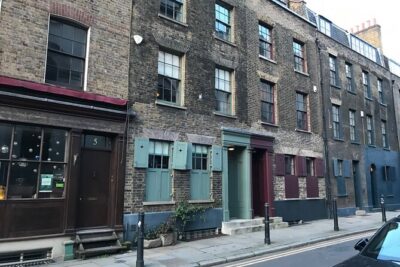
Jack the Ripper Tour with Immersive Ripper Vision
Read our review →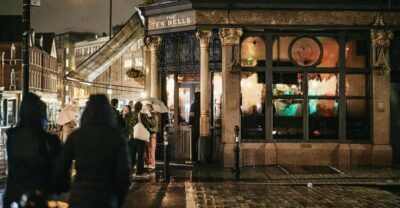
German Language : Original Jack the Ripper Tour
Read our review →
Ultimate Jack the Ripper : Guided Tour of London
Read our review →
Browse the lists this tour appears in