
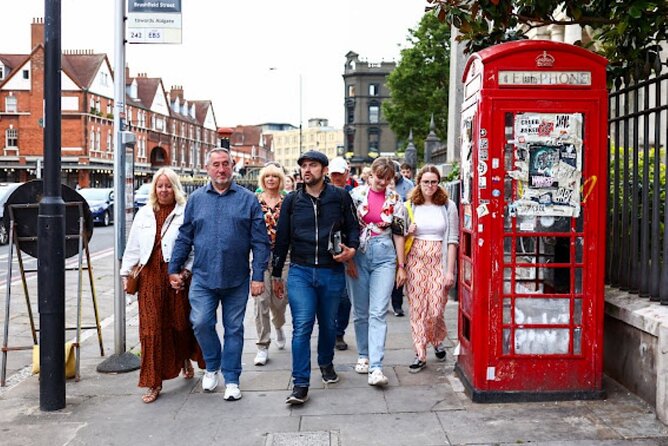
Review · SOUTH EAST ENGLAND
Jack the Ripper and Victorian London: Beyond the Shadows
Jack the Ripper’s story is only the doorway into this 140-minute walk through Whitechapel. The real subject is Victorian London: its poverty, crowded streets, social rules, newspapers, and the women whose lives were reduced to crime headlines. You follow the known locations while separating evidence from rumor.
I like the guide’s human focus on the victims, rather than treating murder as cheap entertainment. I also like the way Nick uses humor, acting skill, and sharp historical context to keep a grim subject watchable. The main drawback is simple: this is an evening street walk about brutal crimes, so it may feel too heavy for young children or anyone who dislikes true crime.
Key points to know before you book
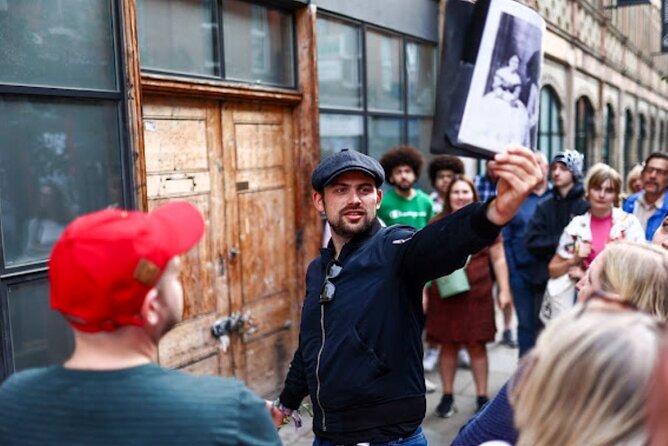
- Nick leads with energy and clear storytelling, drawing on local knowledge and past work in musicals.
- The women receive proper attention, including the misunderstandings that still surround their lives.
- The route connects real locations, from Hanbury Street and Goulston Street to Mitre Square.
- Victorian society gets equal billing, with attention to poverty, culture, and social division in the East End.
- Spitalfields Market provides a useful finish, giving you a livelier setting after the darker parts of the walk.
- At $24, the tour offers strong value if you want history and critical thinking, not just spooky anecdotes.
Why this Whitechapel walk is different
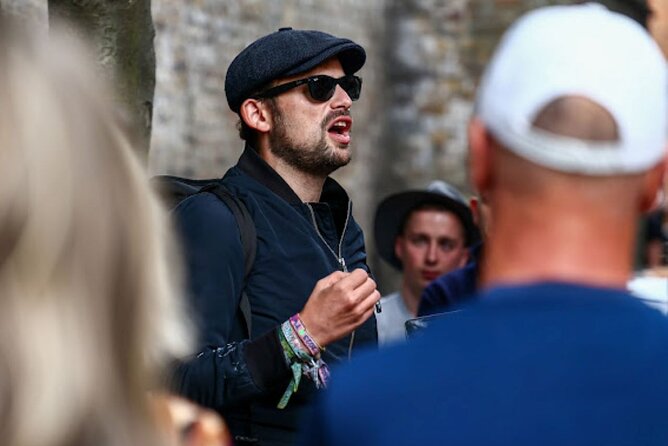
Many Jack the Ripper walks lean hard on fog, fear, and gruesome detail. This one takes a more careful road. You still trace the places linked to the murders, but the guide also asks what can actually be known, how newspapers shaped the story, and how Victorian attitudes affected the way the victims were remembered.
That matters because the Ripper case has gathered layers of myth over time. A confident guide can make speculation sound like fact. Nick’s approach, based on the information available for this tour, is to explain the known events while pointing out the gaps and distortions.
You also get a clearer picture of the East End itself. The murders did not happen in an empty stage set built for ghost stories. They took place in a working part of London, among people facing poverty, insecure work, crowded housing, and strict social divisions. The tour uses those conditions to explain why the case caused such fear and why the public reaction became so intense.
The tone seems to be one of the strongest reasons to choose it. Nick is described as funny, direct, and highly engaging, but not careless with the subject. His background in musicals helps him deliver the material as a performance, while his local connection adds a more personal sense of place. That combination should suit you if you want a guide who can hold a group’s attention without turning every stop into a horror show.
More Jack the Ripper Tours in London
- London: The Original Jack the Ripper Walking Tour
★ 4.7 · 7,833 reviews - London Jack the Ripper Guided Tour with Ripper-Vision
★ 4.5 · 4,840 reviews - London: Jack the Ripper Small Group Tour
★ 4.7 · 3,159 reviews
Starting at Braham Street
The walk begins at Braham Street, placing you in the East End before the route moves through its better-known stops. You should arrive ready to walk for nearly two and a half hours. The tour is wheelchair accessible, but the route includes several outdoor streets and walking sections, so practical comfort still matters.
At the start, the guide sets the period in context. That opening is important. Without it, the names and murder dates can blur together. With it, you can understand how Victorian class, work, housing, policing, and newspapers shaped the story.
Nick’s style appears to work especially well here. He does not simply list facts. Instead, he encourages you to think about what happened, what was reported, and what later storytellers added. That makes the opening useful even if you already know the basic Jack the Ripper story.
Brick Lane and the changing East End
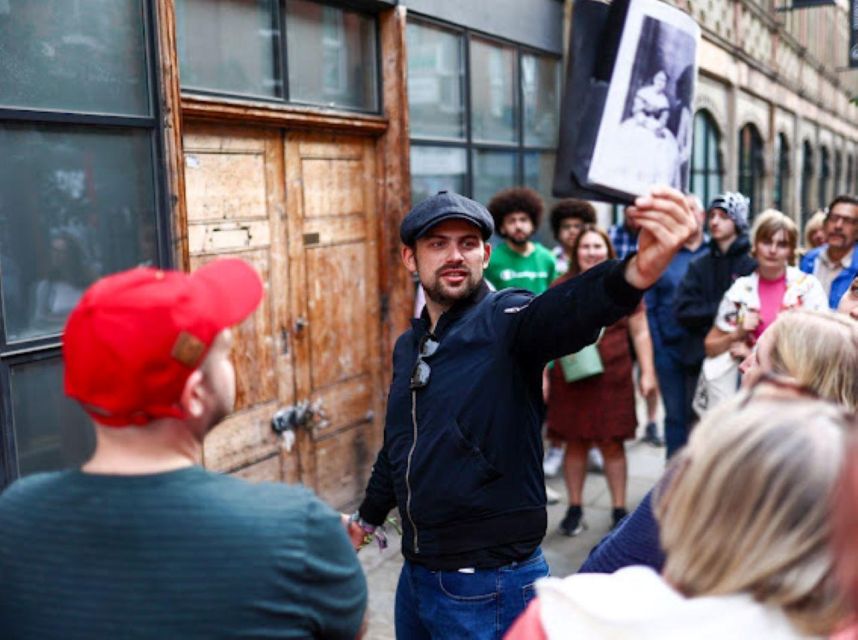
Brick Lane is one of the best places to discuss the East End as a living area rather than a crime backdrop. Today, it is known for food, shops, markets, and street life. On this tour, you see it in relation to the social pressures of 19th-century London.
The contrast between present-day Brick Lane and Victorian Whitechapel helps you picture how much the area has changed. At the same time, the street gives you a sense of how culture and migration have long shaped the East End. The tour description promises attention to the cultural life of the area, not only its worst-known crimes.
I would pay close attention here to the guide’s explanation of ordinary people. The women associated with the case are often presented as flat figures, defined only by their deaths. This tour aims to restore some humanity to them by discussing their lives and the mistaken ideas attached to them.
Brick Lane is also a good early stop for orientation. You are still getting used to the route and the subject, and the street’s active modern setting can keep the experience from becoming relentlessly grim.
Hanbury Street and the human cost
Hanbury Street brings the story closer to the individual victims and the circumstances surrounding the crimes. This is where the tour’s stated aim to correct misunderstandings becomes especially useful.
You can expect the guide to place the events within the pressures of Victorian life, rather than presenting them as isolated acts of evil. That does not excuse the crimes. It gives you a clearer sense of the people involved and the conditions in which they lived.
The subject can become graphic, but the tone described for Nick is restrained. He is said to avoid unnecessary gore while still speaking plainly. I consider that a major advantage. You get the seriousness of the story without being pushed into shock for its own sake.
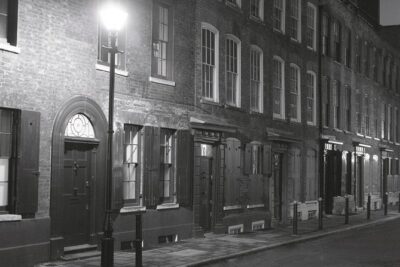
Hanbury Street also shows why the walking format works. You are not sitting in a dark room looking at a sequence of images. You are moving through real streets, stopping where the guide can connect place, evidence, and memory. The surroundings may not look exactly as they did in the 1880s, but the route gives the story a physical shape.
Same streets, a very different kind of fright:
- Ghost, Ghouls and Gallows Tour : Guided Tour with Boat Ride
★ 4.5 · 3,212 reviews - London Jack The Ripper Guided Walking Tour
★ 5.0 · 3,131 reviews - London: Comedy Horror Ghost Tour on a Bus
★ 4.4 · 2,084 reviews - London: Jack the Ripper Tour with Immersive Ripper Vision
★ 4.5 · 1,840 reviews
Old Spitalfields Market and Victorian daily life
Old Spitalfields Market is a key point in the route and a useful counterweight to the murder material. It connects the story to trade, work, and everyday East End life.
A good historical walk should show more than crime scenes. Here, the market helps widen the picture. Victorian London was full of buying, selling, labor, entertainment, faith, and neighborhood ties. The people linked to the Ripper case were part of that world before the headlines took over.
This stop may also help you understand the economic divide running through the tour. The East End’s poverty existed alongside the wealth and authority of central London. That contrast is central to understanding Victorian society, and it gives the murders a setting beyond the familiar image of a shadowy alley.
The market remains an active place, so expect modern movement around you. That can add atmosphere, but it can also make it harder to hear at busy times. Stay close to the guide and keep your attention on the explanation rather than expecting a silent, theatrical setting.
Goulston Street and the problem of evidence
Goulston Street is one of the stops where the tour can move from crime story to historical investigation. The wider case is filled with disputed details, uncertain reports, and later theories. A careful guide helps you see the difference between a documented event and a popular claim.
This is where the tour’s critical approach should appeal to history-minded visitors. You are encouraged not just to absorb facts, but to test them. Who reported something? When was it written down? What may have been lost or altered? How did newspapers and public fear affect the account?
That method also changes the way you view the famous suspect theories. The experience is not built around announcing a final answer. It is about understanding why the case remains unresolved and why so many theories continue to circulate.
I would treat this stop as one of the tour’s most useful parts if you have already read about Jack the Ripper. You may know the names, but knowing the names is not the same as knowing which parts of the story are firm and which are uncertain.
Mitre Square and the central crime story
Mitre Square is the route’s most important location, and likely the point where the narrative reaches its darkest moment. The guide brings you to the place connected with one of the murders, then uses it to discuss the case and the city around it.
The value here is not simply standing in a famous location. Modern London has changed, so the square cannot offer a perfect visual recreation of the Victorian scene. What the guide can provide is the connection between location and evidence, along with the social conditions that shaped how the crime was understood.
This is also where the walking experience may feel most intense. You are standing in a real public place while hearing about a death that became part of London’s lasting memory. Nick’s reported balance is helpful here. He can keep the account direct without turning it into a lurid spectacle.
If you are sensitive to murder stories, Mitre Square may be the point where you decide the subject is more disturbing than expected. The tour does not pretend the events were harmless or soften the tragedy. Its strength is that it tries to treat the people involved as human beings, not props in a ghost story.
London Fruit & Wool Exchange and the wider city
The London Fruit & Wool Exchange adds another layer to the route by bringing trade and commerce into view. It helps explain that the East End was not only a place of poverty. It was also tied to the movement of goods, money, labor, and business.
That contrast is important. Victorian London contained extreme wealth and severe hardship close together. The tour uses the streets to show how those worlds existed side by side, even when the people in them had little power or protection.
This section should appeal to you if you want more than a murder walk. The locations become evidence of how the city worked. Markets, exchanges, streets, and neighborhoods all help explain the pressures that shaped daily life.
It also gives the guide room to discuss the cultural identity of the East End. The area’s character did not come only from crime. It came from the people who worked, traded, worshipped, raised families, and built communities there.
Finishing at Spitalfields Market
The tour ends at Spitalfields Market, a practical and fitting place to finish. After the darker parts of the route, you return to a setting associated with public life, shopping, and food rather than murder and suspicion.
That change in mood is welcome. You can let the information settle without ending in a narrow alley or an isolated location. Spitalfields Market also gives you a natural place to continue your evening, though no meal or drink is included in the tour price.
One memorable account of the experience included a beer stop during heavy rain, showing that Nick can respond to conditions and keep the group comfortable when circumstances allow. You should not treat that as a guaranteed part of the tour, but it suggests a flexible guide rather than a person locked into a rigid script.
The finish is also convenient for reflecting on the larger point. You began with a notorious killer, but you end with a stronger sense of the East End, its people, and the social world that produced the setting for the crimes.
Nick’s guiding style and the value of the experience
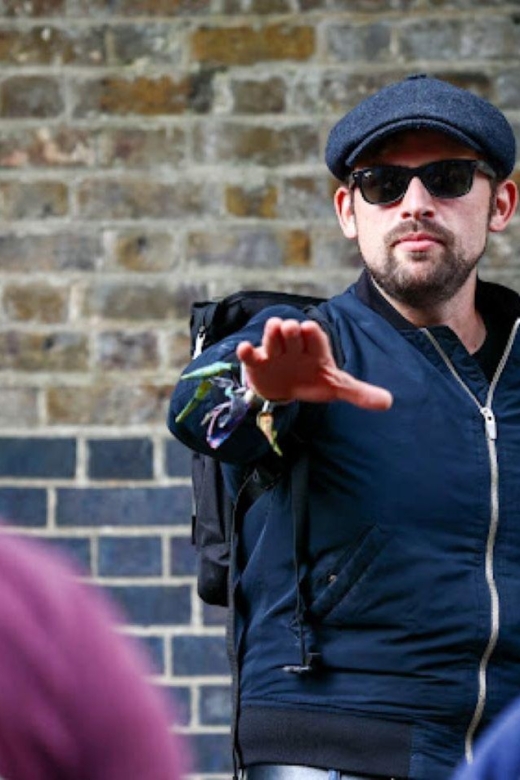
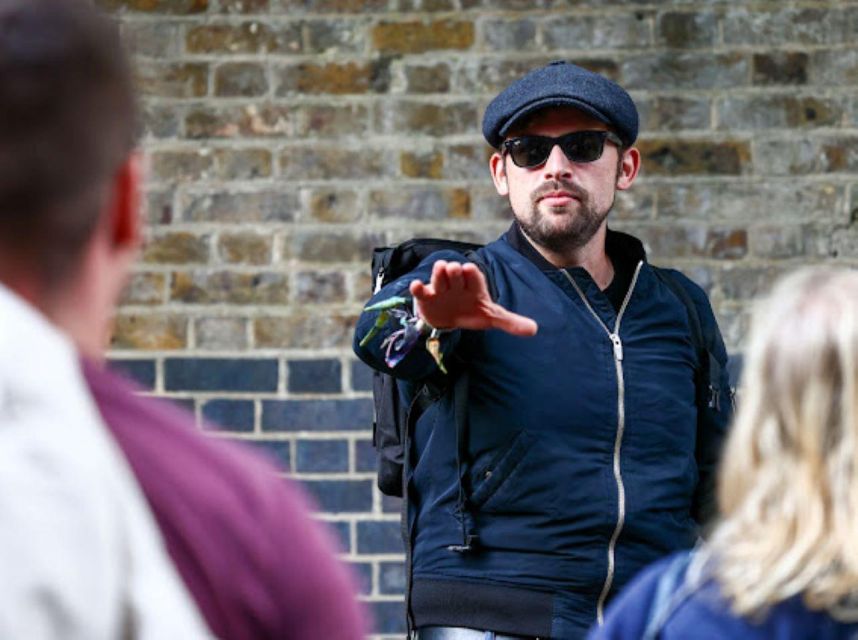
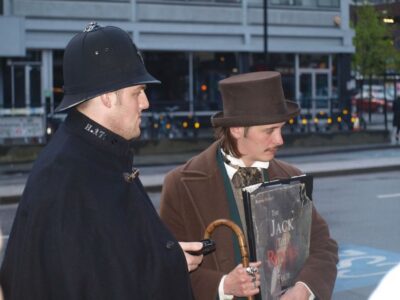
The guide can make or break any walking tour, and Nick receives especially strong praise for his delivery, humor, local perspective, and ability to answer questions. He has worked in musicals, and that performance background seems to shape the way he tells the story.
You should expect an active presentation rather than a dry lecture. Nick reportedly uses humor to lighten a tragic subject, while still refusing to sugar-coat the facts. That balance is difficult. Too much humor would feel disrespectful, while none at all could make a long crime walk exhausting.
The strongest feature is the combination of entertainment and critical thinking. You are asked to follow the story, but also to question it. That makes the tour suitable for a family group with older children and teenagers, especially those aged around 17 and above. I would be more cautious with younger children because the subject concerns real murders and social hardship.
At $24 per person, the value is strong. You receive 140 minutes with a live English-speaking guide and a route covering several important East End locations. The price is especially fair if you want context, not only a quick list of crime sites.
The value is less clear if you want a theatrical ghost tour packed with scares. This experience appears more thoughtful and historical than frightening. It may also feel less satisfying if you expect a definitive solution to the Ripper case, because the responsible approach is to explain uncertainty rather than invent certainty.
You can cancel up to 24 hours before the start for a full refund, and you can reserve now and pay later. Availability depends on the selected start time. The tour is offered in English and is wheelchair accessible. People over 95 are listed as unsuitable, a narrow restriction that is unlikely to affect most bookings.
Should you book this Whitechapel tour?
Book it if you want Jack the Ripper explained through Victorian London, not separated from it. The route gives you the famous locations, but its best feature is the wider view of poverty, work, culture, gender, newspapers, and memory.
Nick sounds like the right guide for you if you enjoy lively storytelling, questions, humor, and a little theatrical flair. His style should suit adults, older teenagers, history fans, and true crime followers who prefer facts and context to gore.
Skip it if you dislike murder subjects, need a fully quiet route, or want a simple scare-focused evening. For most visitors looking for a thoughtful and good-value East End walk, the $24 price and 140-minute route make this a strong choice.
FAQ
Where does the tour start?
The tour starts at Braham Street.
Where does the tour finish?
The tour finishes at Spitalfields Market.
How long does the experience last?
The tour lasts 140 minutes.
How much does the tour cost?
The listed price is $24 per person.
What language is the tour in?
The live tour is conducted in English.
Which locations are included?
The route includes Brick Lane, Hanbury Street, Old Spitalfields Market, Goulston Street, Mitre Square, and the London Fruit & Wool Exchange.
Is the tour wheelchair accessible?
Yes, the activity is listed as wheelchair accessible.
Can I cancel for a refund?
Yes. You can cancel up to 24 hours in advance for a full refund.
Can I reserve without paying immediately?
Yes. The reserve now and pay later option lets you book your place without paying at the time of reservation.
Just added in London
- Visit Jack the Ripper in French★ 5.0 · 33 reviews
- Afternoon Jack the Ripper : Guided Tour★ 5.0 · 183 reviews
- Wicked Whitechapel: Where Now’s Jack The Ripper Audio Tour★ 5.0 · 2 reviews
- Ghosts, Gore & Other Ghasty Stories in the City of London★ 5.0 · 7 reviews
- The Ghosts of the secret alleyways of old London town★ 5.0 · 2 reviews
- The Fading Light London Ghost Walk★ 5.0 · 35 reviews
- The Haunted Pubs of Old London: Small Group Tour★ 5.0 · 38 reviews
- Dark History of the Tudors: Private Tour of Hampton Court Palace★ 5.0 · 10 reviews
Jack the Ripper Tours, compared.
London Jack the Ripper Guided Tour with Ripper-Vision
Read our review →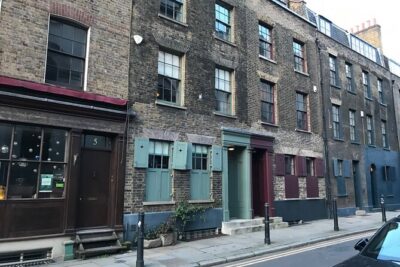
Jack the Ripper Tour with Immersive Ripper Vision
Read our review →
German Language : Original Jack the Ripper Tour
Read our review →
Ultimate Jack the Ripper : Guided Tour of London
Read our review →
Browse the lists this tour appears in