Review · UNITED STATES
Hilo: Walking Ghost Tour
Hilo’s ghost stories grow from real places, painful events, and Hawaiian spiritual traditions. On this two-hour walk, you’ll hear about ‘uhane, wandering spirits, ‘aumakua, family ancestors who became gods, and the strange fireballs called akualele.
I like the small group, limited to 10 people, and the way the route blends town history with folklore. I also like the range of stories, from Japanese and Hawaiian accounts to tales linked with the Merrie Monarch Festival and sacred Mauna Kea.
The main drawback is that this is a walking tour in an exposed setting, and it runs rain or shine. At $64, it makes the most sense for visitors who enjoy storytelling and local culture, not people seeking a theatrical haunted-house show.
Key details before you book
- Eight downtown stops in two hours: The route covers landmarks from Kamehameha Avenue to Jackie Rey’s Ohana Grill.
- Hawaiian spiritual traditions take center stage: Expect more than generic ghost stories, with attention to ‘uhane, ‘aumakua, mo‘o, and akualele.
- Small groups keep the walk personal: No more than 10 people join each outing.
- History and folklore share equal billing: You’ll hear about Hilo, deadly tidal waves, the Merrie Monarch Festival, and local supernatural beliefs.
- Prepare for changing weather: Comfortable shoes and warm clothing are advised, and the walk continues in rain.
- Flexible booking helps: You can cancel up to 24 hours ahead for a full refund and reserve now while paying later.
Hilo’s ghosts come with history attached
This is not a tour built around actors jumping from dark corners. Its appeal comes from the way Hilo’s streets, buildings, disasters, and traditions provide the setting for stories about the unseen world.
You begin near the Wailuku River at the historical marker by Day-Lum Properties. That location puts you close to one of the area’s powerful natural features and introduces the idea that the land itself can carry spiritual meaning. You may hear about the mo‘o, a fierce sacred being associated with Hawaiian tradition, along with tragic events blamed on strong supernatural forces.
I like that starting point because it gives the tour a cultural frame right away. You are not simply asked to believe in a ghost. You are shown how stories can connect people, place, ancestry, danger, and memory.
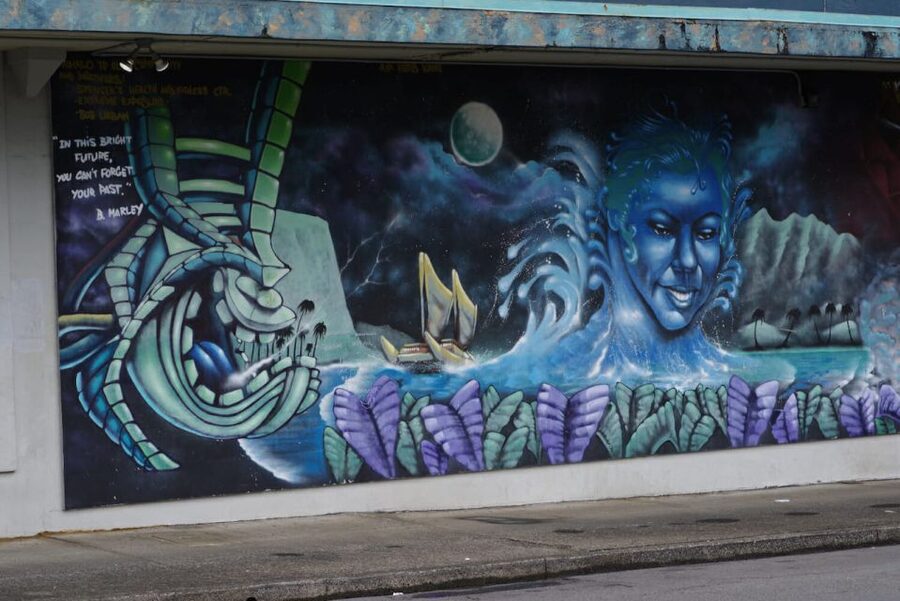
The route then moves through Hilo’s older downtown streets. Historic storefronts, murals, and a pre-World War II feel provide a more interesting backdrop than a purpose-built attraction. In daylight, you can look closely at the town while listening to stories that change the mood of familiar streets.
More Ghost Walking Tours in the USA
- New Orleans Premier Ghost, Voodoo and Vampire Walking Tour
★ 4.5 · 12,856 reviews - Chicago: Gangsters and Ghosts Walking Tour
★ 5.0 · 7,155 reviews - Savannah History and Haunts Candlelit Ghost Walking Tour
★ 5.0 · 3,235 reviews
The Wailuku River and the first supernatural stories
The opening section near the Wailuku River is important because it introduces the difference between a standard Western ghost tale and Hawaiian ideas about spirits and sacred beings.
The mo‘o is one example. Rather than treating it as a simple monster, the story connects the being to place and spiritual power. The guide also discusses tragic occurrences linked with forces that are not easily explained. These accounts help you understand why a river, mountain, or stretch of road can carry more than scenic value in local tradition.
I would pay close attention here, because this part establishes the tone for the rest of the walk. Some stories may feel eerie, but the deeper subject is respect for the unseen and for the people whose beliefs shaped Hilo.
The tour is conducted in English. Past feedback specifically praises the guides for telling many stories and explaining Hilo’s history and the history of Hawaii. One guide was described as especially warm and engaging, which matters on a small walking tour where the guide’s storytelling makes or breaks the evening.
Day-Lum Properties and Hilo’s older streets
The first formal stop is the Coldwell Banker Day-Lum Properties building, near the meeting point. You have about 10 minutes for a visit and photos.
The stop also helps you get your bearings. From here, the tour begins to show Hilo as a town with an older commercial core, not merely a base for seeing volcanoes or waterfalls. The supernatural material works better when you can connect it to actual streets and buildings.
Do not expect a long indoor museum visit at every stop. The schedule gives roughly 10 minutes to each listed location, so the format is a moving conversation with short pauses. That pace lets you cover a good section of downtown, but it also means you should not expect a detailed architectural tour of each building.
The Pacific Tsunami Museum and wandering spirits
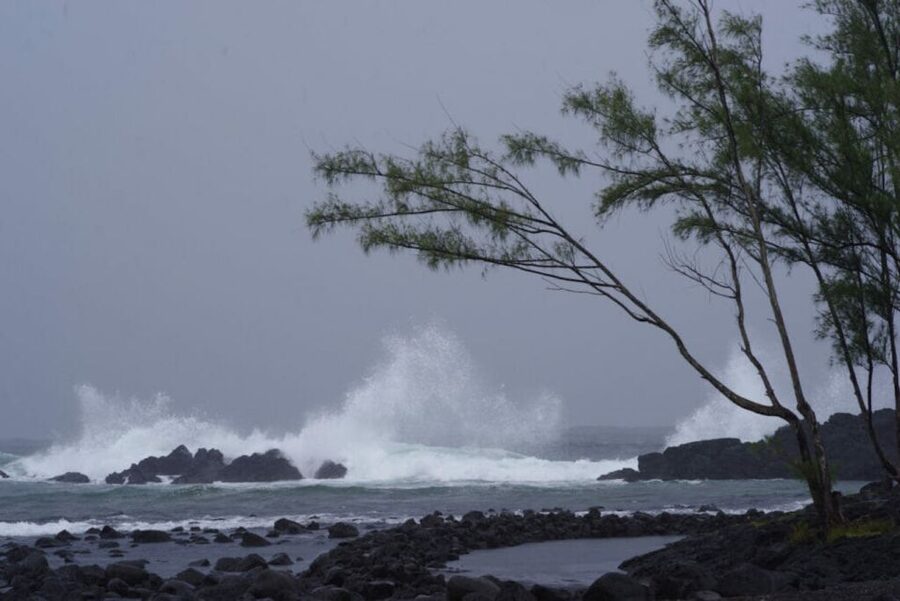
The Pacific Tsunami Museum is one of the most meaningful stops. You spend about 10 minutes here for a visit and photos, while hearing about spirits left behind after deadly tidal waves.
This is where the tour’s ghost stories gain a serious edge. A tsunami is not just a dramatic plot device. It is a real force that has caused loss and changed communities. Stories about wandering spirits after such events reflect grief, memory, and the difficulty of making sense of sudden death.
I appreciate this stop because it places paranormal belief beside documented tragedy. You can listen to the spiritual stories without forgetting the human events behind them. For many people, this will be the strongest part of the tour.
The supplied information does not say that museum admission is included, so I would treat this as a brief exterior or scheduled stop unless your guide tells you otherwise. The tour itself includes the guide and walking portion, not hotel transfers or separate attractions.
Same streets, a very different kind of fright:
- Adults-Only New Orleans Ghost, Crime, Voodoo, and Vampire Tour
★ 5.0 · 6,545 reviews - Salem’s Best Ghost Tour
★ 4.5 · 4,186 reviews - Haunted Evening Horse and Carriage Tour of Charleston
★ 4.5 · 3,678 reviews - New Orleans Adults-Only Ghost, Voodoo and Vampire Tour
★ 5.0 · 3,291 reviews
Kress Building and Palace Theatre
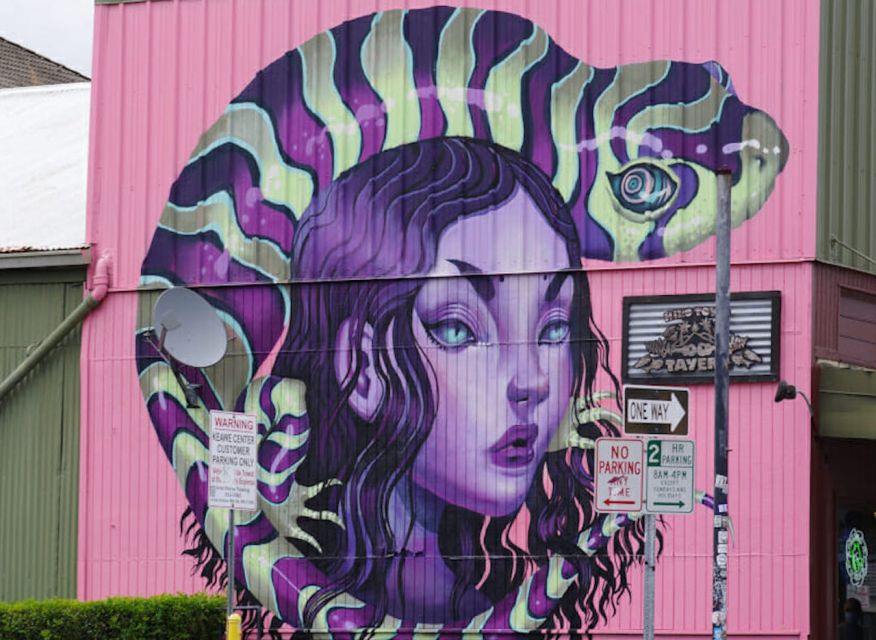
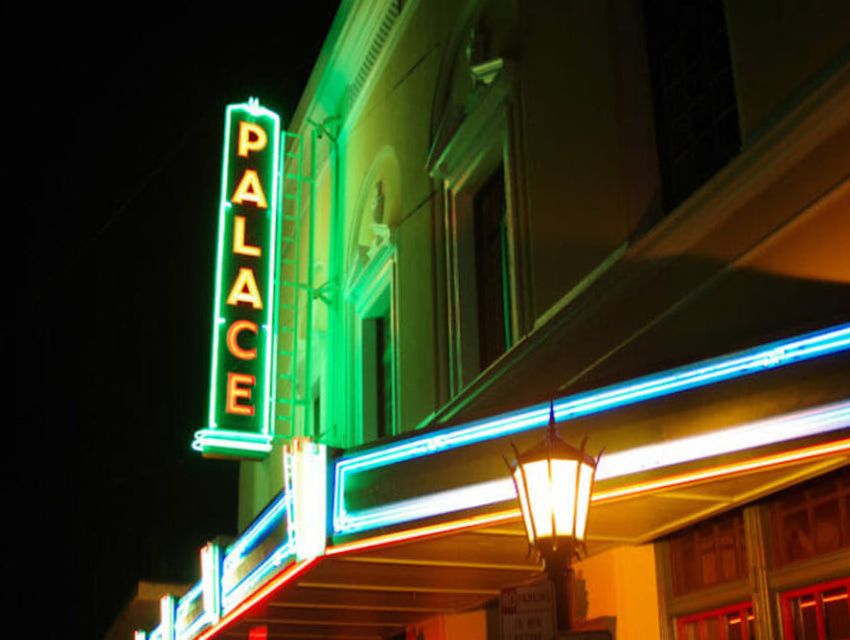
Next comes the Kress Building, followed by the Palace Theatre in Hilo. Each stop is scheduled for about 10 minutes.
The Kress Building adds another downtown setting for stories about old Hilo. You can expect a short explanation and time for photographs rather than a lengthy indoor visit. The point is to connect the building with the town’s older commercial character and the stories that have gathered around it.
The Palace Theatre brings a different mood. The name alone suits a ghost walk, but the value lies in hearing how local stories fit into a real entertainment venue and an older town center. The route’s historic buildings keep the experience grounded. You are walking through a functioning community, not a staged set.
This middle section may appeal most to visitors who enjoy atmosphere. If you want constant scares, the pace may feel too calm. If you like old buildings, local anecdotes, and a sense of place, it should work well.
Merrie Monarch stories and Hilo’s cultural life
The tour also includes strange tales connected with the annual Merrie Monarch Festival. This is a useful reminder that Hilo’s supernatural stories are not cut off from its living culture.
The festival is a major part of Hilo’s identity, and hearing unusual accounts tied to it gives the walk a more current connection. The exact stories are not specified, so I would expect the guide to tell local tales rather than present a fixed theatrical scene.
This is one reason I would choose this experience over a generic haunted walk. You are not just collecting ghost names. You are hearing how supernatural ideas appear alongside music, dance, public celebrations, family traditions, and the town’s past.
The tour also includes Hawaiian and Japanese accounts of supernatural encounters. That wider perspective matters in Hilo, where the route presents more than one cultural tradition. The stories may differ in their treatment of spirits, ancestors, death, and place, giving you a fuller sense of how local folklore developed.
Art, tavern stories, and downtown atmosphere
The Exhibit Gallery of Art and Events, also associated with Hilo Town Tavern, is another 10-minute stop for photos and a visit.
This location helps break up the older civic and commercial buildings with a more social and artistic setting. You can expect the guide to continue the narrative here, using the building and its surroundings as a prompt for local stories.
Because the walking route passes through public downtown areas, the atmosphere will depend partly on the evening, weather, and activity around town. That is both a strength and a limitation. You get a real Hilo setting, but you should not expect a controlled environment where every sound and shadow has been arranged for effect.
I would wear shoes that can handle two hours of walking and bring a light warm layer. The instructions specifically call for comfortable shoes and warm clothing. Since the tour runs rain or shine, a rain layer could also be sensible, although no rain gear is supplied in the details provided.
Naha Stone and the spiritual influence of Mauna Kea
The Naha Stone is one of the most distinctive stops on the route. You spend about 10 minutes here for photos and a visit.
The stone gives the guide a natural opening to discuss Hawaiian tradition, ancestry, and the spiritual influence of Mauna Kea. Mauna Kea is presented not simply as a mountain, but as a sacred presence with importance beyond its physical height.
This is another point where the tour’s subject goes beyond haunted entertainment. You will hear about the relationship between people, ancestors, gods, and the natural world. The material may be unfamiliar if your idea of a ghost tour comes mainly from European or American haunted-house stories, so listen for the meanings behind the names and legends.
The tour introduces ‘aumakua, ancestors who became family gods. That concept can change how you hear stories about family, protection, and the dead. It gives the walk a cultural dimension that a list of haunted buildings would not provide.
Kalakaua Park and the final stretch
Kalakaua Park is the last listed stop before the walk ends. Like the other locations, it has about 10 minutes for a visit and photos.
A park gives the group a little breathing room after the more concentrated downtown stops. It also allows the guide to bring together ideas introduced earlier: spirits that wander, ancestors who remain connected with families, sacred places, and stories linked to death.
You may also hear more about akualele, mysterious fireballs associated with curses and the dead. These stories are among the more unusual elements of the tour, and they show how local supernatural traditions do not always fit the familiar image of a ghost in a building.
The route ends at Jackie Rey’s Ohana Grill Hilo. You leave the guide there, with the tour’s collection of spirits, legends, and local history still fresh in your mind. Since the endpoint is a restaurant, you could treat it as a convenient place to continue the evening, though a meal is not included.
What $64 buys you
The price is $64 per person. That is not the cheapest way to spend two hours in Hilo, but it is reasonable if you value a live guide, a small group, and stories you would be unlikely to assemble on your own.
You are paying for interpretation rather than admission to a major attraction. The package includes the walking tour and guide, but not hotel pickup, drop-off, or listed museum admission. The small group limit of 10 is a real benefit. You should have a better chance to hear the stories, ask questions, and keep up with the guide than you would on a large coach-style outing.
I would compare the cost with your interests. If you already plan to walk downtown, the tour adds structure and meaning to the streets. If you want a big theatrical production with special effects, the price may feel high. The strongest value comes from the mix of Hawaiian and Japanese traditions, Hilo history, tsunami memory, and local ghost lore.
The free cancellation policy up to 24 hours before the start also reduces the risk of booking early. You can reserve now and pay later, which is useful when your Hilo plans may depend on weather or other island activities.
Who should take this Hilo ghost walk?
I would recommend it to adults and older children who enjoy folklore, local history, and unusual cultural stories. It suits people who want to understand Hilo through its beliefs and memories, not just take photographs of buildings.
It is also a good fit for visitors who prefer a small group. With only 10 places, the walk should feel more personal than a large downtown tour, though the exact experience will depend on the guide.
You may want to skip it if you dislike walking in wet weather, need a fully indoor activity, or want a scare-heavy show. The tour takes place outdoors, continues rain or shine, and uses storytelling rather than a cast of performers.
Wheelchair accessibility is listed, which is helpful for planning. Still, because this is a two-hour walk through downtown, you may want to confirm any route concerns before departure if you have specific mobility needs.
Final call: book it for stories, not stunts
Book the Hilo Walking Ghost Tour if you want a thoughtful look at Hawaiian and Japanese supernatural traditions set against real downtown landmarks. The most worthwhile parts are the tsunami stories, the discussion of Mauna Kea and ‘aumakua, and the way the guide ties old beliefs to Hilo’s cultural life.
Skip it if you are mainly after jump scares or a polished stage show. At $64, the experience earns its price through the guide’s storytelling, small group size, and unusual subject matter. Bring comfortable shoes, a warm layer, and an open mind, then let Hilo’s streets supply the atmosphere.
FAQ
How long is the Hilo Walking Ghost Tour?
The tour lasts two hours.
What language is the tour conducted in?
The live tour guide speaks English.
Where does the tour begin?
You meet at the historical marker near Day-Lum Properties, at 2 Kamehameha Avenue.
Where does the tour end?
The walk ends at Jackie Rey’s Ohana Grill Hilo.
What landmarks are included on the route?
Stops include Day-Lum Properties, the Pacific Tsunami Museum, the Kress Building, Palace Theatre, The Exhibit Gallery of Art and Events or Hilo Town Tavern, Naha Stone, and Kalakaua Park.
What should I bring?
Wear comfortable shoes and bring warm clothing. The tour takes place rain or shine.
Is the tour wheelchair accessible and how large is the group?
The tour is listed as wheelchair accessible, and the group is limited to 10 participants.
Just added in the USA
- Zion: Harry Potter-Inspired Zion Ghost Tour with Sunset View★ 5.0 · 8 reviews
- Wraiths of the West Texas Wind: El Paso Ghost Tour★ 4.5 · 9 reviews
- Wraiths & Wicked Whispers: Wilmington Ghost Tour★ 4.2 · 25 reviews
- Witches, Widows, & Wraiths: Wichita Ghost Tours★ 5.0 · 2 reviews
- Williamsburg: Dead of Night Tour with Paranormal Equipment★ 4.6 · 3 reviews
- Wilmington: Boos and Booze Haunted Pub Crawl★ 4.0 · 8 reviews
- Williamsburg: Haunted Ghosts, Witches, and Pirates Tour★ 4.5 · 107 reviews
- Williamsburg: Echoes of Twilight Late-Night Ghost Tour★ 4.6 · 13 reviews
Ghost Walking Tours, compared.
New Orleans Premier Ghost, Voodoo and Vampire Walking Tour
Read our review →

Ghost Walking Tour Where Legends Come To Life
Read our review →
Savannah History and Haunts Candlelit Ghost Walking Tour
Read our review →
Ghosts of Charleston Night-Time Walking Tour with Unitarian Church Graveyard
Read our review →