
Review · RICHMOND
The Haunted History of Richmond tour
Richmond’s darkest stories are not confined to old houses. They unfold at a burial ground that was nearly erased, a former slave jail called Devil’s Half Acre, a collapsed tunnel, and places tied to Poe and the Revolution. This 90-minute walking tour connects those sites with both hard history and supernatural legend.
I like the way the tour gives equal weight to Richmond’s difficult past and its spooky folklore. I also like the guide’s practical approach: Jeffrey, the guide most often named in the feedback, keeps the group together while crossing streets and adjusts the conversation to the group’s interests. The main drawback is that the ghost stories are secondary to the history, so you may want a theatrical haunted-house experience instead.
Key points to know
- Edgar Allan Poe without the museum admission: You discuss Poe’s Richmond years, lost love, and creative influences, but you do not enter the Poe Museum.
- A serious stop at Shockoe Bottom: The tour addresses the lost and rediscovered African Burial Ground.
- Lumpkin’s Slave Jail is the emotional center: The former jail, known as Devil’s Half Acre, brings Richmond’s role in the domestic slave trade into sharp focus.
- Church Hill adds its own chilling chapter: The 1925 tunnel collapse leads into stories of deaths, disturbed graves, and a Richmond vampire legend.
- The supernatural stays tied to real events: This is history first, with ghosts and folklore added carefully.
- Small enough to feel personal: The group can include up to 30 people, though smaller groups allow more conversation with the guide.
Richmond’s dark past on foot
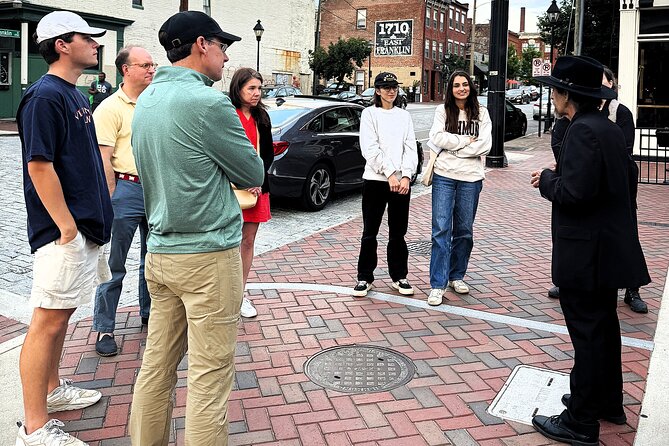
At $25 per person, this is a modestly priced introduction to Richmond’s difficult and unusual past. You are paying for a professionally trained historian and a guided walk through several nearby parts of the city, not for museum tickets, food, drinks, or a staged performance.
The tour lasts about an hour and a half. The listed stops account for about an hour, leaving time for walking, crossings, transitions, and questions. The start is at 1700 E Franklin Street, and the tour ends at 2000 E Main Street in the Poe Museum parking lot, only a couple of blocks away.
That layout matters. You do not need to arrange a second ride between the beginning and end, and your guide can help you find your way after the tour. You will be outdoors for the entire experience, so weather is part of the bargain.
The walking pace has been described as manageable for an average person, without steep sections or a rush from one stop to the next. Still, this is a walking tour rather than a seated talk. Wear comfortable shoes and plan for city streets, pauses, and outdoor conditions.
More history tours in the USA
- Savannah History and Haunts Candlelit Ghost Walking Tour
★ 5.0 · 3,235 reviews - New Orleans Small-Group Haunted History Carriage Tour
★ 4.5 · 2,289 reviews - New Orleans Haunted History Ghost Tour
★ 4.5 · 2,084 reviews
Edgar Allan Poe beyond the museum walls
The opening stop is the Edgar Allan Poe Museum, but you do not go inside. Instead, the guide uses the site to talk about Poe’s time in Richmond, the people and experiences that shaped him, love lost, and the sources of his darker imagination.
That choice keeps the tour moving and avoids adding a separate museum visit to the price. It also means you should not book this expecting to see Poe manuscripts, rooms, or exhibits. If the museum itself is high on your Richmond list, plan a separate visit.
As an introduction, this is a smart starting point. Poe gives the group a familiar figure, then the tour shifts toward less polished and more unsettling parts of the city. His connection helps set the mood without turning the whole walk into a literary biography.
The Poe stop lasts about 15 minutes. That is enough time for a focused talk, but not enough for every detail of his life. I would treat it as a doorway into Richmond’s darker stories rather than a full Poe tour.
Shockoe Bottom and the burial ground Richmond lost
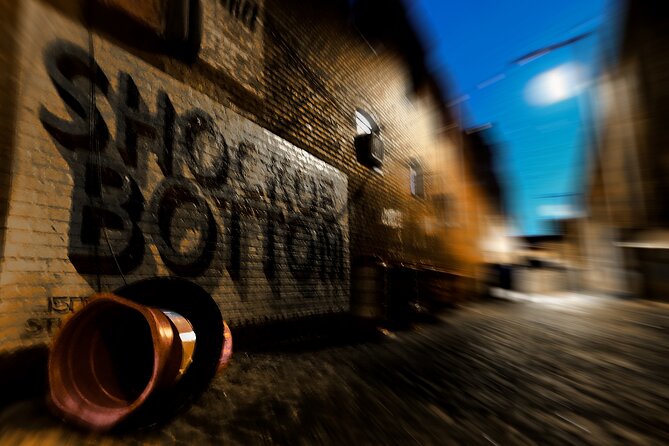
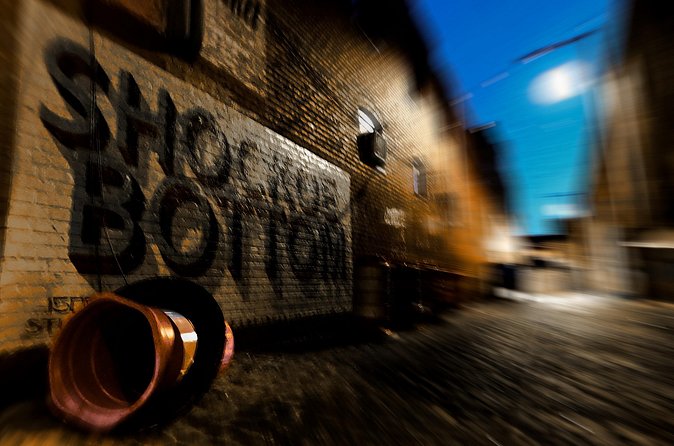
The stop at the Shockoe Bottom African Burial Ground carries more weight than its brief 10-minute visit might suggest. The site was lost and later rediscovered, and the tour uses it to address the people buried there and the way Richmond’s past was erased or overlooked.
This is one of the most valuable parts of the walk because it places ghost stories beside real human loss. The subject is not presented as a decorative bit of atmosphere. It gives you a clearer sense of how the city was shaped by slavery and how public memory can leave some lives out.
You should expect a short talk at an outdoor site, not a museum exhibit or a long memorial program. The stop is free, as are the other outdoor locations. The limited time may leave you wanting more, but the guide’s inclusion of African American history gives the tour a broader reach than a standard haunted walk.
For me, this is also where the tour’s tone becomes clear. The stories are meant to unsettle, but the unsettling material is not limited to spirits. Much of Richmond’s real past is already disturbing enough.
Lumpkin’s Slave Jail and Devil’s Half Acre

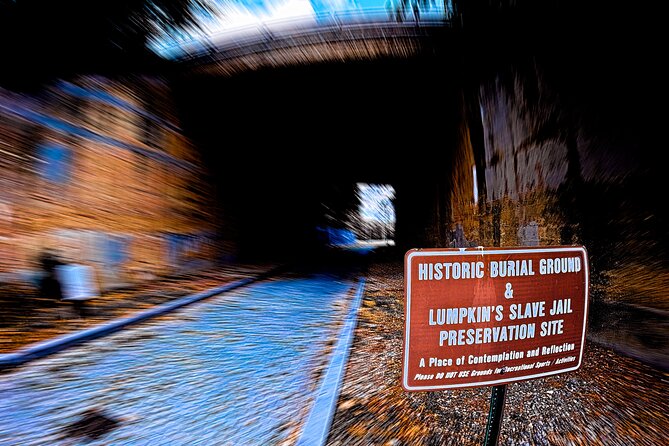
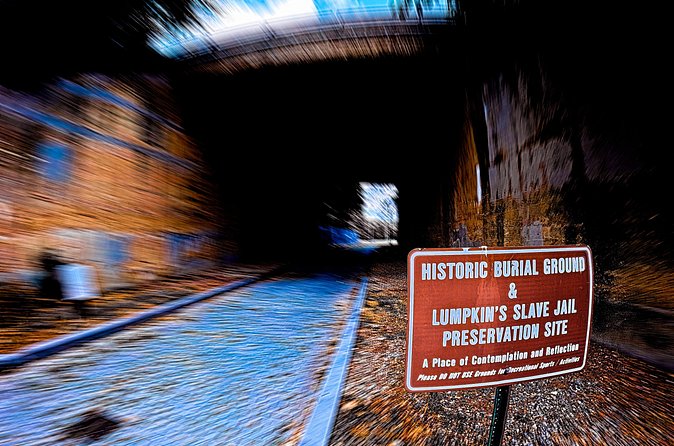
The stop at Lumpkin’s Slave Jail is likely to be the hardest. The site was known as Devil’s Half Acre, and the tour presents it as one of the most horrific slave jails in United States history.
The guide spends about 10 minutes here. That is a short period for a place connected to such extensive suffering, but the location gives the history a physical anchor. You are not hearing only about laws, trade, and statistics. You are standing at a site linked to the confinement and sale of enslaved people.
This stop also keeps the tour from becoming a collection of entertaining ghost tales. The story of Richmond includes violence carried out by people and institutions, not only unexplained sounds or sightings. That balance is a major reason to choose this experience.
Some visitors may find this part emotionally heavy, especially when it follows the burial ground. That is not a flaw, but it is worth knowing before you book. The tour uses dark history for context, and not all of that darkness is spooky in the playful sense.
More ghost tours in the USA
- New Orleans Premier Ghost, Voodoo and Vampire Walking Tour
★ 4.5 · 12,856 reviews - Chicago: Gangsters and Ghosts Walking Tour
★ 5.0 · 7,155 reviews - Adults-Only New Orleans Ghost, Crime, Voodoo, and Vampire Tour
★ 5.0 · 6,545 reviews - Salem’s Best Ghost Tour
★ 4.5 · 4,186 reviews
Church Hill Tunnel, disaster, and the vampire tale
In Church Hill, the subject changes to the tunnel collapse of 1925. The collapse killed numerous people, and the tour also examines the claim that the tunnel had been consuming bodies for decades.
From there, the guide brings in a vampire story. One legend says a vampire was disturbed and returned from the grave. This is the kind of tale that gives the tour its supernatural edge, but it is presented alongside the documented disaster rather than as a fact on the same footing.
The stop lasts about 15 minutes, making it one of the longer talks of the evening. That extra time allows the guide to connect the tunnel’s known history with the legends that gathered around it. You get both the event and the folklore that grew from it.
This is probably the best stop for someone seeking the spooky side of Richmond, but do not expect a parade of jump scares. The ghostly material is reportedly less abundant than on some theatrical ghost tours. In exchange, the stories are tied to actual places and recorded events.
Revolutionary ghosts at Richmond’s Masonic lodge
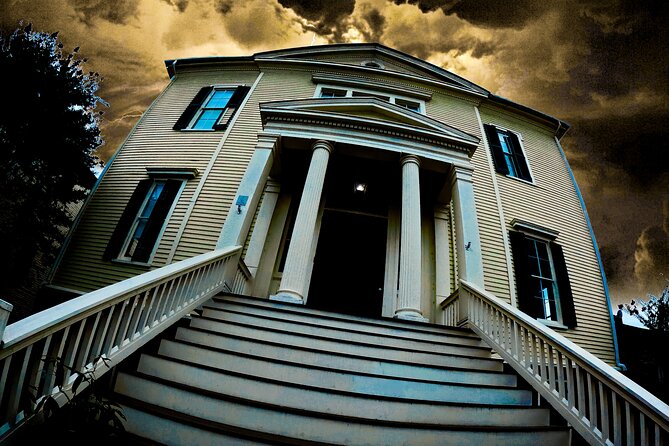
The final stop takes you to the oldest operating Masonic lodge in the United States, associated with George Washington, Thomas Jefferson, and Patrick Henry. The tour uses the site to discuss ghosts connected with Richmond’s Revolutionary past.
The talk lasts about 10 minutes. It brings the walk back to famous names and public history after the more painful subjects in Shockoe Bottom and Lumpkin’s Slave Jail. The contrast is useful: Richmond’s past includes political leaders, private suffering, public disasters, and stories that refuse to disappear.
You should note that the information provided does not say you enter the lodge. Treat this as an exterior stop and guided discussion rather than an interior tour. That distinction is important if you are hoping to see the building’s halls firsthand.
As a closing location, it works well. The tour ends at 2000 E Main Street, in the Poe Museum parking lot. From there, you are only a couple of blocks from the starting point, and the guide can help you get oriented.
A guide who treats the stories seriously
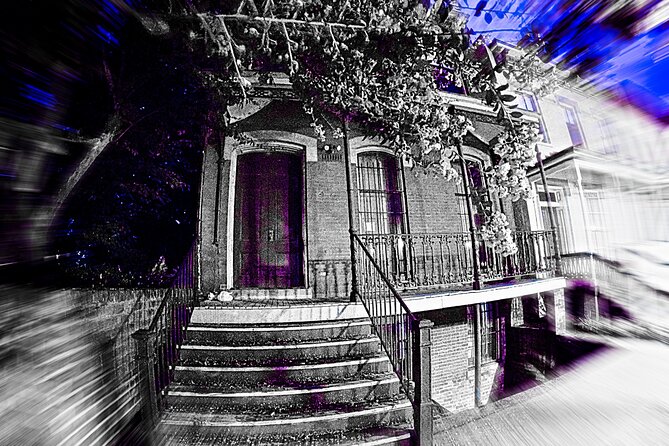
The guide is a major part of this experience. Jeffrey is named repeatedly in the supplied feedback, and the descriptions point to a guide who prepares carefully, speaks with energy, and enjoys the subject. One note also spells the name Jeffrie, so you may see either spelling associated with the tour.
What matters more than the spelling is the style. The guide explains the historical setting, adds supernatural material, and keeps the evening moving. The tone is social and entertaining without turning every tragedy into a punch line.
Small-group interaction appears to be part of the appeal. The guide can tailor parts of the conversation to the group’s interests, and a smaller turnout makes that easier. The maximum group size is 30, so you should not assume a private walk, but the format still allows questions.
Practical care also matters on a city walk. Jeffrey is described as helping the whole group cross streets safely and checking that everyone is keeping up. That is a small detail, but it makes a difference when the tour includes several stops and evening traffic.
How spooky is it, really?
This is history with a supernatural accent, not a haunted attraction. You will hear about ghosts, vampires, murders, frightening personalities, and unexplained events, but the guide roots the stories in Richmond’s actual places and past.
That balance will suit you if you like your ghost stories with context. You will learn why a site matters before hearing what is said to linger there. The result may feel more credible and thoughtful than a tour built around constant suspense.
If you want actors, theatrical effects, sudden scares, or a long list of apparitions, this may feel restrained. The supernatural material is described as lighter than on a typical ghost tour. The reward is a better understanding of the city and the forces that shaped its legends.
The experience is especially suitable for adults and older children who can handle discussion of slavery, death, murder, and disaster. The information does not state an age minimum, so use your own judgment for younger children.
Walking, weather, and group size
The tour is offered in English and uses a mobile ticket. Confirmation arrives when you book, and service animals are allowed. The meeting point is near public transportation, which makes it easier to reach without a car.
The walk is suitable for most people, and the pace has been described as comfortable rather than strenuous. Even so, city walking means uneven surfaces, street crossings, and time outside. The tour requires good weather, so check the forecast and dress for the conditions.
No bottled water, food, or drinks are provided. Bring water if you need it, especially on a warm day, and eat before the tour if you prefer not to walk hungry.
The tour is capped at 30 people. A group that size can feel less intimate, but the guide’s habit of checking on the group and answering questions helps. If you prefer more personal conversation, a smaller departure should provide a better experience than a full one.
Is $25 a fair price?
At $25, the tour offers a reasonable amount of content for the cost. You receive about 90 minutes with a trained historian, five locations, and a mix of literary, African American, Revolutionary, disaster, and supernatural subjects.
The value is strongest if you want orientation. In one evening, you get a sense of several Richmond districts and a set of stories that can guide the rest of your visit. You also avoid paying separate admission for each stop, since the tour remains outside and the admission charge is included where applicable.
The value is weaker if your main goal is museum access. You do not enter the Poe Museum or, based on the supplied details, the Masonic lodge. You are paying for the guide’s interpretation and the locations, not interior exhibits.
I would also compare it with your interests. A visitor who wants a serious city history walk with a few chills will likely find the price sensible. A visitor who wants nonstop ghost lore may prefer a more theatrical product, even if it costs more.
Cancellation and planning details
You can cancel up to 24 hours before the start time for a full refund. Changes or cancellations made within 24 hours are not accepted for a refund, and the cutoff uses Richmond local time.
Because the experience depends on good weather, the operator may cancel in poor conditions. In that case, you are offered another date or a full refund. This policy makes it wise to avoid booking the tour as a rigid, last-minute centerpiece of your trip if the forecast looks uncertain.
The tour averages booking about five days ahead. That is not a guarantee of availability, but it suggests you should reserve before arriving if your schedule is fixed, especially around Halloween or other popular dates.
Should you book the Haunted History of Richmond tour?
Book it if you want Richmond’s spooky stories tied to real places and serious history. The best parts are the African Burial Ground, Lumpkin’s Slave Jail, the Church Hill Tunnel story, and Jeffrey’s ability to connect painful facts with folklore.
Skip it if you want entry into the Poe Museum, an interior visit to the Masonic lodge, or a highly theatrical ghost show. The supernatural material is present but measured.
For $25, this is a strong choice for a first evening in Richmond, particularly if you value thoughtful storytelling over staged scares. Wear good shoes, bring water, keep an open mind, and expect the city’s real past to be more unsettling than some of its legends.
FAQ
How long is the Haunted History of Richmond tour?
The tour lasts approximately 1 hour and 30 minutes.
What language is the tour offered in?
The tour is offered in English.
Where does the tour start?
The tour starts at 1700 E Franklin Street, Richmond, Virginia 23223.
Where does the tour end?
The tour ends at 2000 E Main Street, Richmond, Virginia 23223, in the Poe Museum parking lot. This is a couple of blocks from the starting point.
Do you enter the Edgar Allan Poe Museum?
No. The tour discusses Edgar Allan Poe and his time in Richmond outside the museum, but you do not go inside.
How large can the group be?
The tour can have a maximum of 30 participants.
What happens if the tour is canceled because of bad weather?
You are offered a different date or a full refund. You can also cancel at least 24 hours before the start time for a full refund. Cancellations within 24 hours are not refunded.
Just added in the USA
- Zion: Harry Potter-Inspired Zion Ghost Tour with Sunset View★ 5.0 · 8 reviews
- Wraiths of the West Texas Wind: El Paso Ghost Tour★ 4.5 · 9 reviews
- Wraiths & Wicked Whispers: Wilmington Ghost Tour★ 4.2 · 25 reviews
- Witches, Widows, & Wraiths: Wichita Ghost Tours★ 5.0 · 2 reviews
- Williamsburg: Dead of Night Tour with Paranormal Equipment★ 4.6 · 3 reviews
- Wilmington: Boos and Booze Haunted Pub Crawl★ 4.0 · 8 reviews
- Williamsburg: Haunted Ghosts, Witches, and Pirates Tour★ 4.5 · 107 reviews
- Williamsburg: Dead of Night Paranormal investigations Tour★ 5.0 · 4 reviews
Historical Tours, compared.

Savannah History and Haunts Candlelit Ghost Walking Tour
Read our review →
New Orleans Small-Group Haunted History Carriage Tour
Read our review →
Genteel and Bard’s Savannah Dark History and Ghost Encounter Walking Tour
Read our review →
Shadows of York: Ghost Walk and Horrible History.
Read our review →
Browse the lists this tour appears in