
Review · MAUI
Campfire Storytelling of Hawaii’s Dark History Beneath The Stars
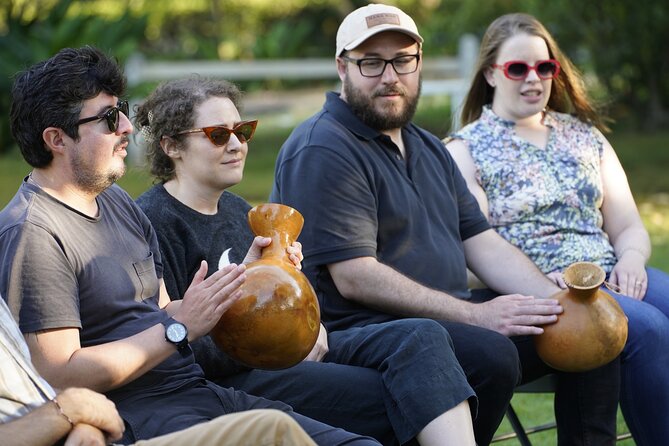
Hawaii’s postcard image gets only part of the story right. Around a beach fire on Maui, local historian and musician Ian Aquino brings forward the harder chapters: colonization, the overthrow of the Hawaiian Kingdom, and the pressure tourism has placed on native culture.
I like two things here. First, the small group, capped at 10 people, gives the evening a personal feel rather than the stage-show format of a large luau. Second, the setting matters: you sit on a tucked-away beach under the stars, with pillows, blankets, water, and snacks provided. The main consideration is that this is a serious history experience, not a light entertainment show, and it depends on good weather.
Key points to know
- Ian Aquino leads the evening: You hear from a local historian and musician rather than from a standard scripted attraction.
- The group is limited to 10 people: That makes room for questions and a shared discussion at the end.
- The subject is honest and sometimes difficult: Expect stories about ancient traditions, lost sovereignty, colonization, and tourism’s effect on native culture.
- The setting is a beach fire under the stars: The atmosphere is quiet, intimate, and far removed from a large resort production.
- The 90-minute price is $89: The value rests in the small group, the local perspective, and the unusual format.
- Weather affects the plan: Poor conditions can lead to a new date or a full refund.
A different kind of Maui evening
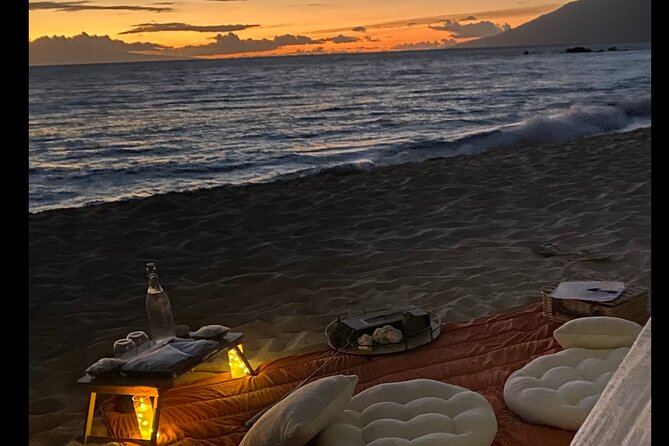
Many Maui nights are built around music, food, and polished entertainment. This experience takes another route. You meet at 6:30 pm at 4524 Makena Road in Kihei and gather at a beach where the fire becomes the center of the evening.
The format is simple. You sit together, listen, ask questions, and share thoughts as the night goes on. There is no long list of stops to rush through. The point is the story and the setting.
That simplicity is part of the appeal. You are not being moved from one presentation to another. You have time to listen to how Hawaii’s past connects to the place you are visiting now. The fire, ocean setting, and night sky create a quiet frame for a subject that needs attention rather than noise.
I also appreciate that the experience does not present Hawaii as a perfect postcard. It recognizes the beauty of the islands while making room for conflict, loss, cultural change, and survival. That balance can give you a better understanding of what you are seeing during the rest of your Maui trip.
More Dark History Tours in the USA
- Adults-Only New Orleans Ghost, Crime, Voodoo, and Vampire Tour
★ 5.0 · 6,545 reviews - New Orleans Adults-Only True Crime and Ghost Walking Tour
★ 5.0 · 1,666 reviews - Genteel and Bard’s Savannah Dark History and Ghost Encounter Walking Tour
★ 5.0 · 1,546 reviews
Meeting Ian Aquino around the fire
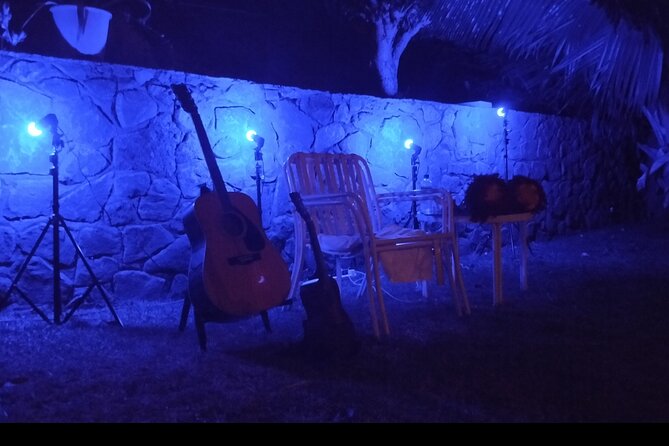
Ian Aquino is identified as a local historian and musician, and that combination shapes the tone of the evening. You are not simply handed a list of dates and names. The experience is built around spoken storytelling, personal anecdotes, and the connection between history, music, land, and community.
The supplied details do not provide a full biography or a precise list of songs, so you should not book this expecting a scheduled concert. Music is part of Ian’s identity as a guide, but the central activity is storytelling.
His role as a local voice is important. Hawaii’s history can easily be reduced to a few familiar phrases about beaches, royalty, or island traditions. Ian’s job here is to add the missing context and help you understand how major events affected Hawaiian people and culture.
The group size makes a difference. With a maximum of 10 people, you are less likely to feel anonymous. At the end, Ian invites the group to share thoughts and feelings, so the evening is not only a one-way talk. It allows for conversation, though the tone remains respectful and focused.
The first stories: tradition, land, and identity
The storytelling begins with ancient traditions and cultural practices, along with the close relationship Hawaiian people have with the land. This section gives the rest of the evening a necessary foundation.
That matters because difficult history makes more sense when you first understand what was placed at risk. The land is not presented as scenery alone. It is part of identity, memory, and daily life.
You will hear about the Hawaiian connection to place and about traditions that shaped community life. The supplied information does not name every practice covered, so expect a broad introduction rather than a full academic lecture. Still, the setting gives these ideas extra weight. You are hearing about land while sitting beside the sea, in the kind of place that tourism often treats as a backdrop.
I like this opening because it avoids beginning with conquest alone. It shows that Hawaiian culture existed in its own right before outside powers changed the political and social order. That approach can help you listen to the later stories with more care.
The difficult chapters of colonization and lost sovereignty
The heart of the evening turns to colonization and the loss of Hawaiian sovereignty. You will hear about the overthrow of the Hawaiian Kingdom, one of the key events needed to understand modern Hawaii.
This is not a subject to treat as casual dinner conversation. The experience is designed to make you think about how power changed hands and how those changes continue to shape Hawaiian identity.
The details provided do not promise a full timeline of every political event, so I would not approach this as a substitute for a museum, book, or formal history course. Its strength is personal explanation. The story is connected to real people, cultural memory, and the land around you.
That makes the setting especially effective. The darkness and fire encourage close listening. You are not surrounded by bright lights, loud music, or a large crowd. The mood gives the subject room to land.
If you prefer your evening entertainment cheerful and uncomplicated, this may feel heavy. If you want to understand Hawaii beyond the resort version, it offers a useful correction.
Same streets, a very different kind of fright:
- New Orleans Premier Ghost, Voodoo and Vampire Walking Tour
★ 4.5 · 12,856 reviews - Chicago: Gangsters and Ghosts Walking Tour
★ 5.0 · 7,155 reviews - Salem’s Best Ghost Tour
★ 4.5 · 4,186 reviews - Haunted Evening Horse and Carriage Tour of Charleston
★ 4.5 · 3,678 reviews
Tourism and the Hawaii you see today
The experience also addresses tourism’s effect on native culture. This is one of the most useful subjects for a visitor because it asks you to consider your own place in the island economy.
Maui depends heavily on tourism, and visitors encounter culture in many forms, from food and music to ceremonies and commercial shows. The evening encourages you to look at the difference between experiencing culture with respect and consuming a simplified version of it for entertainment.
That does not mean you should avoid every luau or cultural performance. It means you should pay closer attention to who is telling the story, how the culture is presented, and whether the experience leaves room for complexity.
For me, this is where the gathering can affect the rest of your trip. You may find yourself looking at a resort, a historic site, or a cultural performance with more questions. That is a worthwhile result for a 90-minute activity.
The guide’s personal anecdotes also help keep the subject from feeling distant. Historical events can seem abstract when they are presented only as dates. Personal stories connect the past to people and to the choices communities face today.
Why the beach setting matters
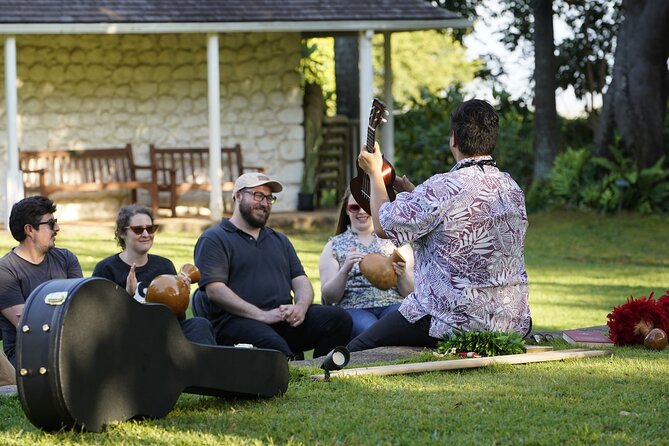
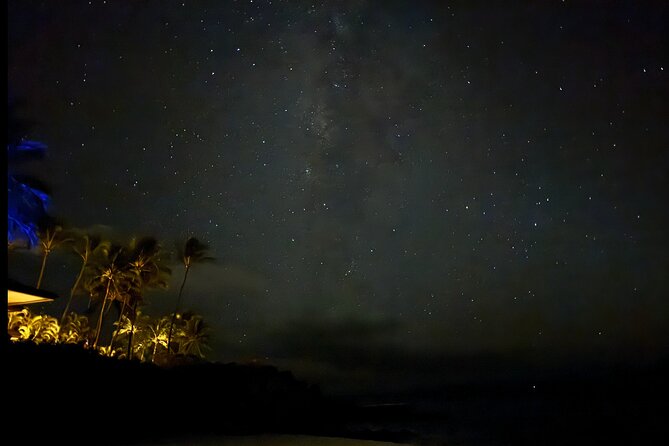
The beach is not just a pretty location for photographs. It shapes the pace and mood. You sit under the stars while the fire crackles, and the natural setting encourages a quieter kind of attention.
Pillows, blankets, and water are provided, which is practical after sunset. Snacks are included as well. Alcoholic drinks are not included, so do not count on this being a cocktail-style beach event.
The description calls the location tucked away, but the available information does not give exact details about beach access, walking distance, parking, or facilities. You should confirm those practical points with the provider if they matter to you.
The natural setting also brings limits. This is an outdoor activity, and it requires good weather. Wind, rain, or other poor conditions can cancel the evening. If that happens, you are offered another date or a full refund.
Because the experience begins at 6:30 pm and lasts about 90 minutes, the timing works well as a focused evening activity. You will finish around 8 pm, though the exact end time may vary slightly. The activity returns to the same meeting point.
What $89 buys you on Maui
The price is $89 per person. That is not a bargain in the sense of a free beach walk, but it is a reasonable amount for a small, hosted cultural gathering if you value local interpretation and personal contact.
You are paying for more than a seat near a fire. The price includes an English-speaking guide, snacks, pillows, blankets, and water. More important, the group is limited to 10 people, which is a major difference from large commercial shows.
The value depends on your priorities. If you mainly want dinner, dancing, or a broad production with many performers, another Maui evening may suit you better. If you want a focused conversation about Hawaii’s past and present, the smaller format gives this activity a clear advantage.
I would also compare it with the cost of other evening entertainment on the island. At $89, it is not an impulse purchase for every budget, but it can be worthwhile if it replaces a more familiar tourist show and adds understanding you cannot get from scenery alone.
The average booking lead time is 28 days. That suggests you should plan ahead, especially if your Maui dates are fixed. With only 10 places, waiting until the last minute may leave you without a spot.
Who will get the most from this experience
This evening suits adults and older children who can listen to serious material and take part in a respectful discussion. The information says most people can participate, and service animals are allowed.
It is a good match for you if:
- You want more than the usual beach and resort schedule.
- You are interested in Hawaiian history and culture.
- You prefer small groups to large productions.
- You enjoy listening to a local voice and asking questions.
- You want to think about the effects of tourism while visiting Maui.
- You are comfortable with an outdoor evening that depends on weather.
It may not be the right pick if you want a fast-moving activity, a full meal, alcohol, or a light party atmosphere. The subject includes colonization, the overthrow of the Hawaiian Kingdom, and cultural loss. That seriousness is central to the experience, not an occasional aside.
Families should consider the ages and attention spans of their children. The information says most people can participate, but it does not specify a minimum age or a children’s version of the talk.
Practical details for a smooth evening
The meeting point is 4524 Makena Road, Kihei, Hawaii 96753. The experience begins at 6:30 pm and ends back at the meeting point after about an hour and a half.
A mobile ticket is accepted, and confirmation is provided when you book. The site is near public transportation, though no specific route or schedule is supplied. Plan your arrival carefully, since the location is described as a beach setting and the group is small.
Dress for sitting outdoors after sunset. The provider supplies blankets and pillows, but you may still want comfortable clothing suited to an evening by the water. The available information does not promise chairs, a meal, private transportation, or alcoholic drinks.
The cancellation terms are helpful. You can cancel up to 24 hours before the start time for a full refund. Changes or cancellations inside that 24-hour window are not accepted for a refund. The cut-off follows local Maui time.
Weather and minimum group size can also affect the booking. If poor weather cancels the activity, or if the minimum number is not reached, you are offered a different date or experience, or a full refund.
How this fits into a Maui itinerary
Place this on an evening when you do not need to race to another reservation. The experience is only about 90 minutes, but its purpose is reflection and conversation, not simply filling an empty time slot.
It can work early in your trip, when you want context for the places and cultural events you will see later. It can also work near the end, when you have already seen the resort side of Maui and want to look at the island with a wider frame.
I would avoid pairing it with a loud, tightly timed dinner show on the same night. The contrast could be jarring, and you may arrive distracted. Give the fire, the stories, and the discussion enough space.
The most praised qualities are clear: the beach setting, the stars, and the chance to hear real history instead of a standard show. Those features also explain why this activity feels different from a typical Maui attraction. It asks you to listen before you judge and to consider the place beyond its beauty.
Should you book this Maui storytelling evening?
Book it if you want an intimate cultural experience led by a local historian and musician, and if you are ready for an honest look at Hawaii’s past. The combination of Ian Aquino’s storytelling, a maximum group of 10, and a beach fire under the stars gives the evening a personal character that large attractions cannot match.
Skip it if you want a party, a full meal, or a purely cheerful night out. At $89, the value comes from the setting, the small group, and the perspective you gain, not from the number of activities packed into the schedule.
For many visitors, this can become one of the more meaningful nights in Maui. It will not show you the whole story of Hawaii, but it can help you ask better questions about the island you came to see.
FAQ
Where does the experience begin?
It begins at 4524 Makena Road, Kihei, HI 96753, USA.
What time does the activity start?
The experience starts at 6:30 pm.
How long does the storytelling last?
The activity lasts approximately 1 hour and 30 minutes.
What is included in the price?
Snacks, sitting pillows, blankets, water, and an English-speaking guide are included.
Are alcoholic drinks included?
No. Alcoholic beverages are not included.
What happens if the weather is poor?
The experience requires good weather. If it is canceled because of poor weather, you are offered a different date or a full refund.
More history tours in the USA
- Savannah History and Haunts Candlelit Ghost Walking Tour
★ 5.0 · 3,235 reviews - New Orleans Small-Group Haunted History Carriage Tour
★ 4.5 · 2,289 reviews - New Orleans Haunted History Ghost Tour
★ 4.5 · 2,084 reviews - The Historic Galveston Ghost Tour
★ 5.0 · 1,524 reviews
Just added in the USA
- Zion: Harry Potter-Inspired Zion Ghost Tour with Sunset View★ 5.0 · 8 reviews
- Wraiths of the West Texas Wind: El Paso Ghost Tour★ 4.5 · 9 reviews
- Wraiths & Wicked Whispers: Wilmington Ghost Tour★ 4.2 · 25 reviews
- Witches, Widows, & Wraiths: Wichita Ghost Tours★ 5.0 · 2 reviews
- Williamsburg: Dead of Night Tour with Paranormal Equipment★ 4.6 · 3 reviews
- Wilmington: Boos and Booze Haunted Pub Crawl★ 4.0 · 8 reviews
- Williamsburg: Haunted Ghosts, Witches, and Pirates Tour★ 4.5 · 107 reviews
- Williamsburg: Dead of Night Paranormal investigations Tour★ 5.0 · 4 reviews
Dark History & True Crime Tours, compared.

Adults-Only New Orleans Ghost, Crime, Voodoo, and Vampire Tour
Read our review →
Dark Secrets of the Old Town Ghost Walking Tour
Read our review →
New Orleans Adults-Only True Crime and Ghost Walking Tour
Read our review →
Genteel and Bard’s Savannah Dark History and Ghost Encounter Walking Tour
Read our review →
Buda Castle District Dark History, Legends and Vampire Night Tour
Read our review →

Edinburgh Ghost Tour: Mysteries, Legends and Murders
Read our review →Browse the lists this tour appears in