
Review · SOUTH KOREA
Blood & Tears: Korea Dark History Guided Walking Tour
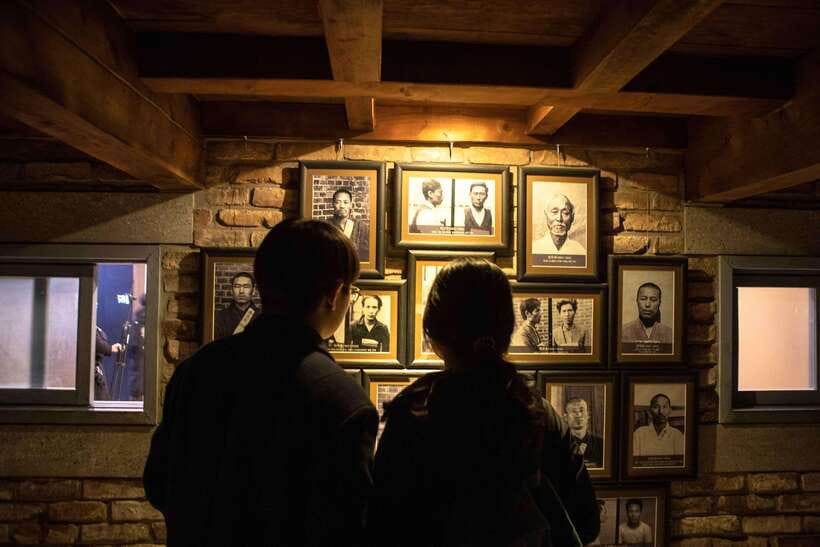
Korea’s modern story is not neat or gentle, and this walking tour does not try to make it so. You’ll move through prison cells, torture rooms, independence sites, former political-security offices, and places tied to Korea’s long fight for democracy. The history feels physical here, not like a list of dates in a museum case.
I like the two-route choice and the small groups. Package 1 follows the independence movement, while Package 2 explains the later struggle against military rule. I also like the guides’ personal teaching style: Joseph, Laura, Chuck, Gina, and others have used films, family-sized stories, and open conversation to make difficult subjects easier to grasp. The main drawback is that this is serious sightseeing, not a light morning walk, and moving by public transportation can be tiring or awkward with a stroller or wheelchair.
Key points to know before booking
- Two distinct history routes: Choose colonial resistance and independence, or the postwar road to democracy.
- Seodaemun Prison History Hall: Walk through cells and torture rooms where Korean independence activists were imprisoned and killed.
- Dilkusha adds an outside witness: The former home of journalist Albert W. Taylor helps explain how news of Japanese rule reached the wider world.
- Package 2 includes a market lunch stop: You can eat at Tongin Market, known for traditional bento-style meals, though food is not included.
- Small groups make a real difference: The limit is 10 people, and the guide can answer questions and adjust the pace more easily.
- Plan for emotional weight: The tour deals directly with imprisonment, torture, executions, surveillance, and political violence.
Two routes, two chapters of Korea’s modern story
At $61 per person, this is not simply a paid walk between famous Seoul sights. Your admission fees and public transportation during the tour are included, and the guide provides the connecting story that makes each stop matter.
The two packages cover different periods. Package 1, Then: Fight for Independence, focuses on Japanese colonial rule and the 1919 independence movement. It begins at Dongnimmun Station Exit 5 at 9:30 AM and ends at Tapgol Park around 1:00 PM.
Package 2, Now: Road to Democracy, starts at Gwanghwamun Station Exit 7 at 9:50 AM. It examines postwar reconstruction, military governments, citizen resistance, and the long effort to build a democratic society. The planned finish is at the Korea Democracy Foundation at 4:00 PM.
I would not treat one package as a shorter and longer version of the same tour. They answer different questions. Package 1 asks how Korea resisted colonial rule. Package 2 asks what happened after liberation, and why freedom still required another long struggle.
If your schedule allows, taking both gives you a much fuller connection between independence, political repression, and democracy. If you can choose only one, pick the period that interests you most. The subject matter is serious enough that trying to squeeze both into one day could leave you mentally worn out.
More Dark History Tours in the world
- Adults-Only New Orleans Ghost, Crime, Voodoo, and Vampire Tour
★ 5.0 · 6,545 reviews - Edinburgh: Dark Secrets of the Old Town Ghost Walking Tour
★ 4.6 · 1,671 reviews - New Orleans Adults-Only True Crime and Ghost Walking Tour
★ 5.0 · 1,666 reviews
Seodaemun Prison makes Package 1 hard to forget
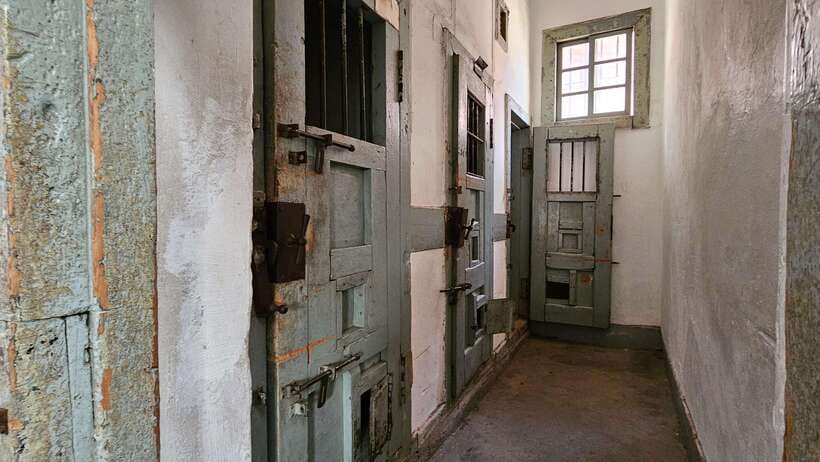
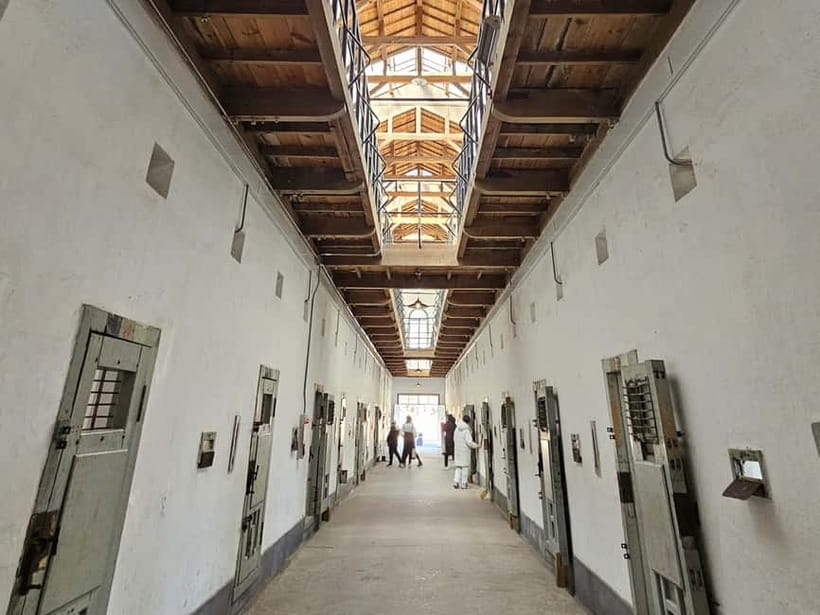
The first route opens at Seodaemun Prison History Hall, the tour’s most powerful stop. Korean freedom fighters were imprisoned, tortured, and executed here for resisting Japanese rule. The cold cells and dim rooms bring a harsh physical setting to a period that can otherwise feel distant.
This is not a quick photo stop. Your guide explains what happened at the prison and why these people were willing to risk everything. You’ll also see torture chambers, which can be disturbing. I would not recommend this part for anyone who wants only cheerful sightseeing or who finds graphic political history especially difficult.
The value of a guide becomes clear here. A museum display can tell you what a room was used for. A good guide can explain the people, choices, and wider political pressure behind it. The tour’s English-speaking guides are especially useful for connecting individual stories to Korea’s independence movement without reducing the subject to a simple good-versus-bad tale.
Guide quality matters on a tour like this. Joseph has been praised for answering questions and letting a small group set the pace. Laura has explained the colonial period with patience and care. Other guides, including Chuck and Gina, have been described as energetic and clear. Your assigned guide will vary, but the experience depends heavily on how well that person handles difficult material.
Dongnimmun Arch tells a complicated independence story
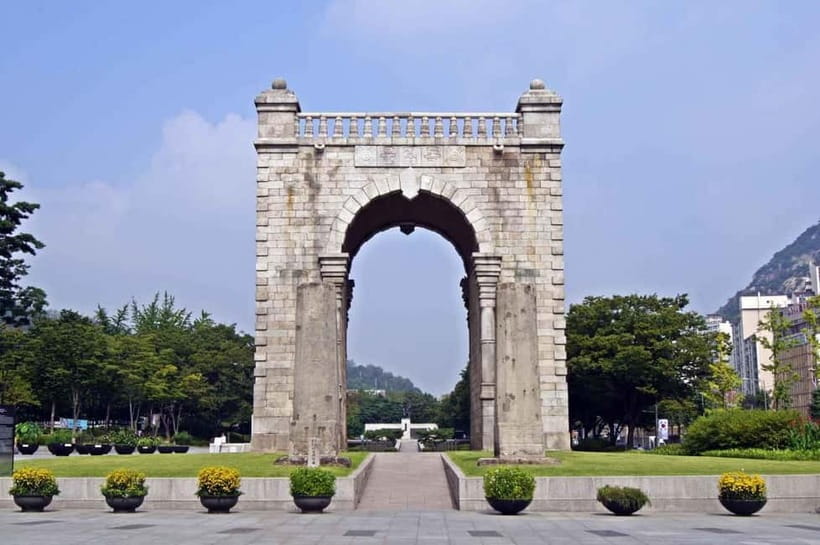
From the prison, you continue to Dongnimmun Arch. It was built to celebrate Korean independence, but the site also became part of the painful reality of Japanese colonization. That contrast gives the stop its power.
I like this kind of landmark because it refuses to be just a pretty monument. The arch carries an idea of independence, but the surrounding history shows how far Korea still had to go. Your guide helps place it within the political changes of the time and connects it to the prison you have just seen.
The route also shows how Seoul’s streets can work as a history book. You are not sealed inside a museum for the whole morning. You move between sites by foot and public transport, seeing how landmarks from different periods sit within the modern city.
That movement is useful, but it has a practical cost. You need to keep up with the group, follow station and meeting-point instructions, and accept that traffic or weather can alter the plan. Wear comfortable shoes and leave room in your schedule for the route to run a little differently.
Dilkusha brings an international witness into the story
Package 1 continues to Dilkusha, the former residence of American journalist Albert W. Taylor. Taylor reported on Japanese rule and helped expose its brutality to an international audience.
The house changes the viewpoint. Seodaemun Prison shows the experience of people who resisted from inside Korea. Dilkusha shows how an outside journalist observed events and communicated them beyond the country. I find that useful because it explains how news of the independence movement could travel beyond the streets where it began.
You may need to remove your shoes inside Dilkusha to help preserve the historic residence. Slippers are provided, so this is easy to manage, but it is worth knowing before you arrive. If you have a tight schedule, the visit can also feel slower than a standard museum stop because the building itself needs careful treatment.
The site is a good example of why this tour goes beyond a textbook account. You are not only hearing about major political events. You are seeing the homes, buildings, and public spaces tied to how those events were recorded and remembered.
More Ghost Walking Tours in the world
- New Orleans Premier Ghost, Voodoo and Vampire Walking Tour
★ 4.5 · 12,856 reviews - Chicago: Gangsters and Ghosts Walking Tour
★ 5.0 · 7,155 reviews - Prague: Ghost Walking Tour Where Legends Come To Life
★ 4.4 · 5,253 reviews - Savannah History and Haunts Candlelit Ghost Walking Tour
★ 5.0 · 3,235 reviews
Tapgol Park connects a city park to a national uprising
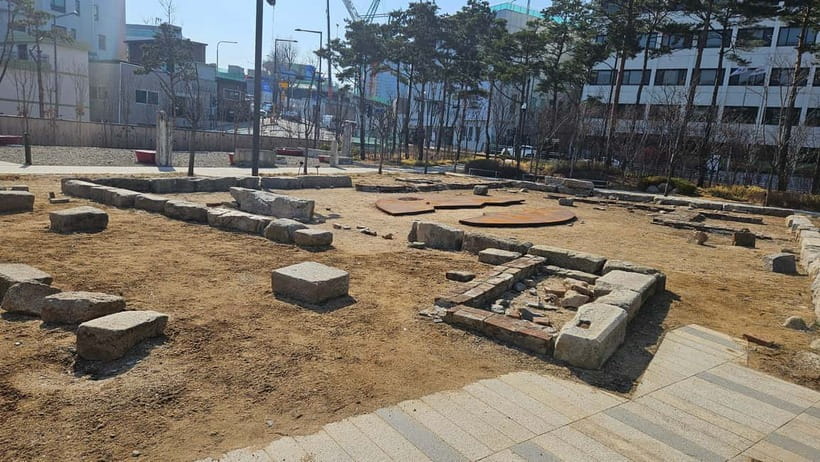
The first package ends at Tapgol Park around 1:00 PM. In 1919, the first cries for independence were heard here, helping spark a nationwide uprising.
By this point, the route has taken you from imprisonment and torture to public resistance. Tapgol Park gives that story a final gathering place. It helps you understand that independence was not only the work of famous leaders. It also depended on ordinary people joining a movement in public.
The ending is practical, too. Tapgol Park puts you in central Seoul, close to other sights and food options. You can continue exploring after the tour instead of ending in an isolated suburb.
Package 1 lasts about three and a half hours according to its scheduled start and finish. That is long enough to build a serious narrative without taking over your entire day. You should still expect the emotional impact to last longer than the walking time.
Package 2 begins with the postwar picture
The second route starts at the National Museum of Korean Contemporary History near Gwanghwamun. This opening stop gives you the background needed to understand Korea after the war: reconstruction, military rule, and resistance by citizens.
I think this is the right place to begin Package 2. Without postwar context, visits to former security offices and democracy sites can seem like disconnected episodes. The museum helps explain how a country could experience rapid economic and social change while political freedom remained restricted.
The route addresses Korea’s difficult political past directly, including the democratic movement and the Gwangju events referenced during the historical explanation. This is one reason I would take the tour early in a Seoul visit if modern Korean politics interests you. It gives you useful context for museums, films, dramas, memorials, and newspaper stories you may encounter later.
The teaching style can be conversational rather than purely academic. One guide has used references to television dramas to explain important figures and events, while also covering their motives and personal backgrounds. That can make complicated material easier to follow, especially if you are new to Korean history.
Tongin Market adds food and ordinary city life
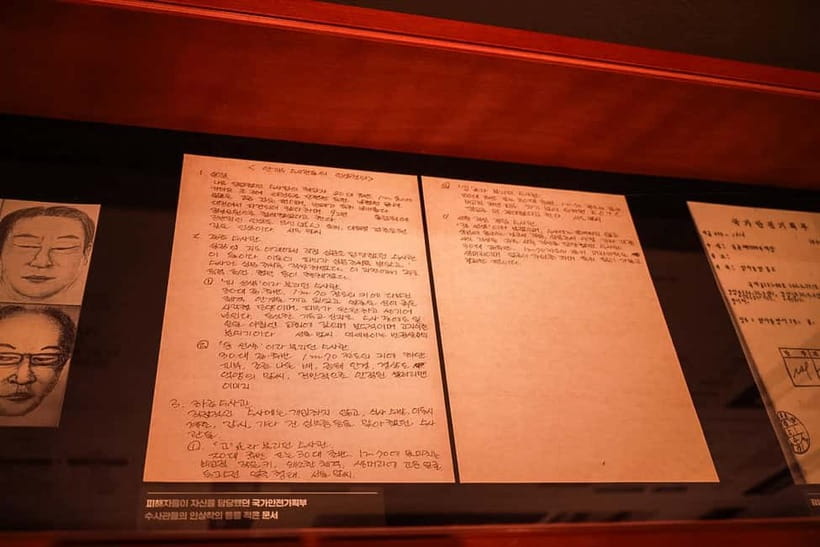
Package 2 moves through the alleys of Tongin Market and includes time for a traditional lunch. The meal itself is not included in the $61 price, so bring money for food.
This is a welcome change of pace. After the museum’s political context, the market puts you among everyday Seoul life. You can eat a traditional bento-style meal and see a part of the city that may not appear on a standard first-time itinerary.
I like that the lunch stop is not treated as an unrelated break. Food, markets, and public spaces help you understand how political change affects ordinary people. The stop also gives you time to ask the guide questions in a less formal setting.
Do not assume you are getting a full restaurant meal as part of the tour. The food is an additional personal expense, and the available time can depend on the day’s pace. If you have dietary restrictions, the supplied information does not specify what options will be available, so ask the guide on the day.
Namsan’s KCIA site shows the darker side of power
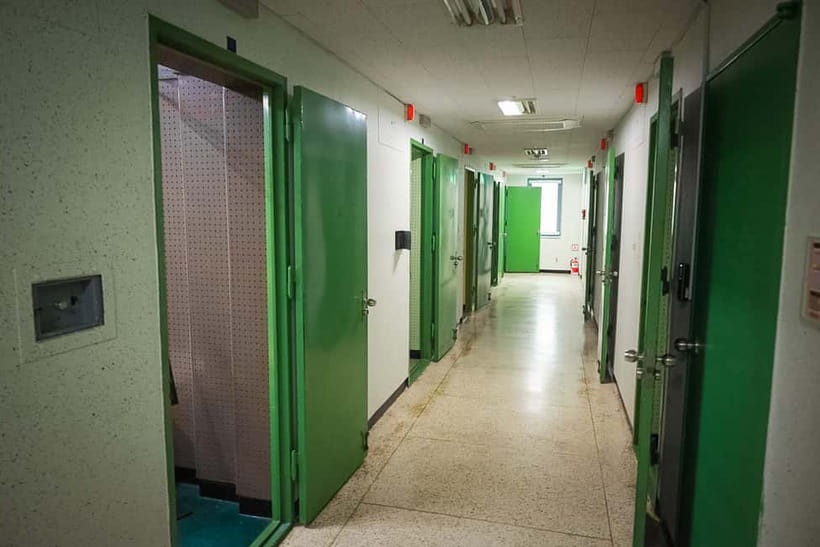
After the market, Package 2 moves into more difficult territory at the former Namsan KCIA headquarters. The location is tied to surveillance, political oppression, and torture.
This stop explains why democracy did not arrive simply because colonial rule ended. Korea’s later governments faced conflict, pressure, and rapid change, but citizens also faced the abuse of state power. The tour presents that period as part of the country’s continuing fight over who should control political life.
I appreciate the route’s refusal to stop at a comfortable national story. It recognizes courage and progress while also dealing with abuse carried out by Korean authorities in the postwar period. That honesty gives the final part of the tour its force.
The subject can be heavy, especially after several hours of museums and walking. Take this route when you have the attention and energy for it. It is a poor choice if you need a relaxed final morning before a flight or prefer to avoid political violence.
The Korea Democracy Foundation closes the second route
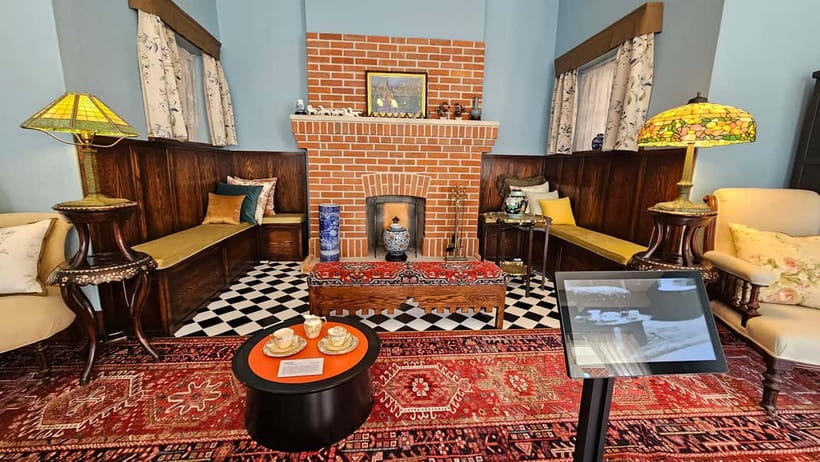
The planned final stop is the Korea Democracy Foundation at around 4:00 PM. The site is connected to places and memories of surveillance, political repression, and torture that are now used to help explain Korea’s democratic development.
The ending gives Package 2 a forward-looking shape. You begin with postwar rebuilding and military rule, then see how citizens challenged restrictions, and finish with a place devoted to remembering and explaining the road to democracy.
The visit may be adjusted depending on on-site conditions. You should treat the final stop as planned rather than guaranteed in exactly the advertised form. The rest of the route still carries the main story, but this is worth keeping in mind if the foundation is your main reason for booking.
The route is scheduled from 9:50 AM until 4:00 PM, making it the longer commitment. Check the current timing when you book because the stated activity duration varies by package and availability.
Why the small group improves the history lesson
The group limit is 10 people, and some departures may be much smaller. A two-person group, for example, can feel closer to a private conversation than a standard city tour.
That matters here because the subject invites questions. You may want to ask about a political figure, a prison display, a film reference, or how one period connects to another. A guide can adjust the explanation more easily when nobody is being hurried through a large crowd.
The smaller format also helps with pace. One guide allowed time for an unplanned stop, and another tailored the discussion around the group’s interests. That does not mean every departure will be private or fully customized, but the 10-person limit gives you a better chance of a responsive experience.
The guides named in feedback include Joseph, Laura, Chuck, Gina, and Mr. Park. Their approaches differ, but the strongest pattern is clear: you should expect an English-language guide who explains more than the words on a sign and welcomes questions.
What $61 includes, and what it does not
The price includes an English-speaking guide, admission fees, and public transportation used during the tour. For the prison, historic house, museums, and other paid sites, that saves you from handling separate tickets and figuring out the route alone.
I consider the price fair for a small group, especially if you value historical explanation rather than simply reaching each landmark. You are paying for the connections between sites as much as for entry.
Lunch is not included, and neither are insurance or personal expenses. Package 2’s Tongin Market stop means you should budget separately for the meal. You may also want water and a small amount of cash, although the supplied information does not specify which payment methods individual vendors accept.
Free cancellation is available up to 24 hours before the tour for a full refund. You can also reserve now and pay later, which helps if your Seoul plans are still shifting.
Practical advice for a smoother morning
Both packages use public transportation. That is a good fit for an authentic city route, but it means the experience is not a private vehicle tour with no transfers.
The tour is marked wheelchair accessible, yet the operator warns that public transportation may make wheelchairs and strollers inconvenient. If you use either, ask for current route details before booking rather than assuming every transfer will be easy.
Weather and traffic can affect the itinerary. Give yourself extra time at the meeting point and avoid scheduling a flight, timed palace entry, or other fixed appointment too close to the finish.
The meeting point depends on your package:
- Package 1 meets at Dongnimmun Station Exit 5 at 9:30 AM.
- Package 2 meets at Gwanghwamun Station Exit 7 at 9:50 AM.
For Package 1, wear shoes that are easy to remove because Dilkusha may require you to take them off. Slippers are provided. For both routes, comfortable shoes matter more than dressing for photographs. You will be walking, standing, and using public transport for several hours.
Who will get the most from this tour
I would recommend Package 1 to anyone interested in independence movements, colonial rule, journalism, memorials, or the personal cost of political resistance. Seodaemun Prison is the key reason to choose it, but Dilkusha and Tapgol Park give the route a broader frame.
I would choose Package 2 if you want to understand modern Korean politics, military governments, citizen resistance, or the road to democracy. It is also the better choice if you want a market meal built into the day.
History students, politically curious visitors, and people who want more context for Korean films and television dramas should find plenty to discuss. First-time visitors can also benefit, especially if they want more than palaces and shopping districts.
I would skip it if you want a gentle sightseeing walk, dislike discussions of torture and political violence, or have mobility needs that make public transport difficult. This is an educational tour with emotional weight, not a casual orientation stroll.
Should you book Blood & Tears?
Book it if you want Seoul to explain itself. The strongest reason to go is the combination of real sites and a guide who can connect them, from prison cells and an independence arch to market streets and former security offices.
Choose Package 1 for the colonial period and independence movement. Choose Package 2 for postwar repression and democracy. If you can handle two serious history sessions, doing both will give you the clearest picture.
I would book this tour early in a Seoul stay, particularly if you want the rest of your sightseeing to have more political and social context. Bring patience, comfortable shoes, and a willingness to listen. The reward is not entertainment. It is a sharper understanding of what Korea endured and how ordinary people pushed their country toward freedom.
FAQ
How much does the tour cost?
The tour costs $61 per person.
How long does the tour last?
The listed duration varies from 210 to 330 minutes depending on the package and availability. Package 1 is scheduled from 9:30 AM to 1:00 PM. Package 2 is scheduled from 9:50 AM to 4:00 PM.
What are the two package options?
Package 1, Then: Fight for Independence, covers Seodaemun Prison History Hall, Dongnimmun Arch, Dilkusha, and Tapgol Park. Package 2, Now: Road to Democracy, covers the National Museum of Korean Contemporary History, Tongin Market, the former Namsan KCIA headquarters, and the Korea Democracy Foundation.
Where does Package 1 meet?
Package 1 meets at Dongnimmun Station Exit 5 at 9:30 AM.
Where does Package 2 meet?
Package 2 meets at Gwanghwamun Station Exit 7 at 9:50 AM.
Is lunch included?
No. Meals are not included. Package 2 includes time to eat at Tongin Market, but you pay for your own food.
Is the tour wheelchair accessible?
The activity is marked wheelchair accessible, but it uses public transportation, and the operator warns that strollers or wheelchairs may be inconvenient. Contact the provider before booking if you need specific accessibility support.
Can I cancel or pay later?
You can cancel up to 24 hours in advance for a full refund. Reserve-now, pay-later booking is also available.
More history tours in the world
- Stockholm: Ghost Walk and Historical Tour
★ 4.7 · 2,685 reviews - New Orleans Small-Group Haunted History Carriage Tour
★ 4.5 · 2,289 reviews - New Orleans Haunted History Ghost Tour
★ 4.5 · 2,084 reviews - Genteel and Bard’s Savannah Dark History and Ghost Encounter Walking Tour
★ 5.0 · 1,546 reviews
Just added in the world
- Phantoms of the Potomac: Old Town Alexandria Ghost Tour★ 4.0 · 56 reviews
- Alexandria Ghosts Spirits & Spirits Haunted Pub Crawl★ 5.0 · 26 reviews
- Haunted Alexandria Booze and Boos Ghost Walking Tour★ 5.0 · 157 reviews
- Ghost and Graveyard Tour★ 5.0 · 187 reviews
- Vienna: Spooky Ghost Tour in English★ 4.8 · 209 reviews
- Vienna: German Guided Ghost Tour of Spooky Vienna★ 4.9 · 113 reviews
- Dreaded Dead Descent of the District: DC Ghost Tour★ 4.2 · 186 reviews
- Hoi An Ghosts, Death, Mystery Unveiled★ 5.0 · 33 reviews
Dark History & True Crime Tours, compared.

Adults-Only New Orleans Ghost, Crime, Voodoo, and Vampire Tour
Read our review →
Dark Secrets of the Old Town Ghost Walking Tour
Read our review →
New Orleans Adults-Only True Crime and Ghost Walking Tour
Read our review →
Genteel and Bard’s Savannah Dark History and Ghost Encounter Walking Tour
Read our review →
Buda Castle District Dark History, Legends and Vampire Night Tour
Read our review →
Edinburgh Ghost Tour: Mysteries, Legends and Murders
Read our review →Browse the lists this tour appears in